For years, telecom companies competed on one thing: speed.
Faster internet. Bigger data allocations. More coverage.
At Globe’s recent product showcase, it became clear that game is over.
The real battle is no longer about connectivity.
It’s about who owns the digital ecosystem surrounding your life.
And Globe just revealed how serious it is about winning that race.
The End of the Telecom Era
One message quietly echoed throughout every presentation:
Globe no longer sees itself as just a telecommunications company.
The company is building something much bigger.
Connectivity is becoming the foundation, not the product.
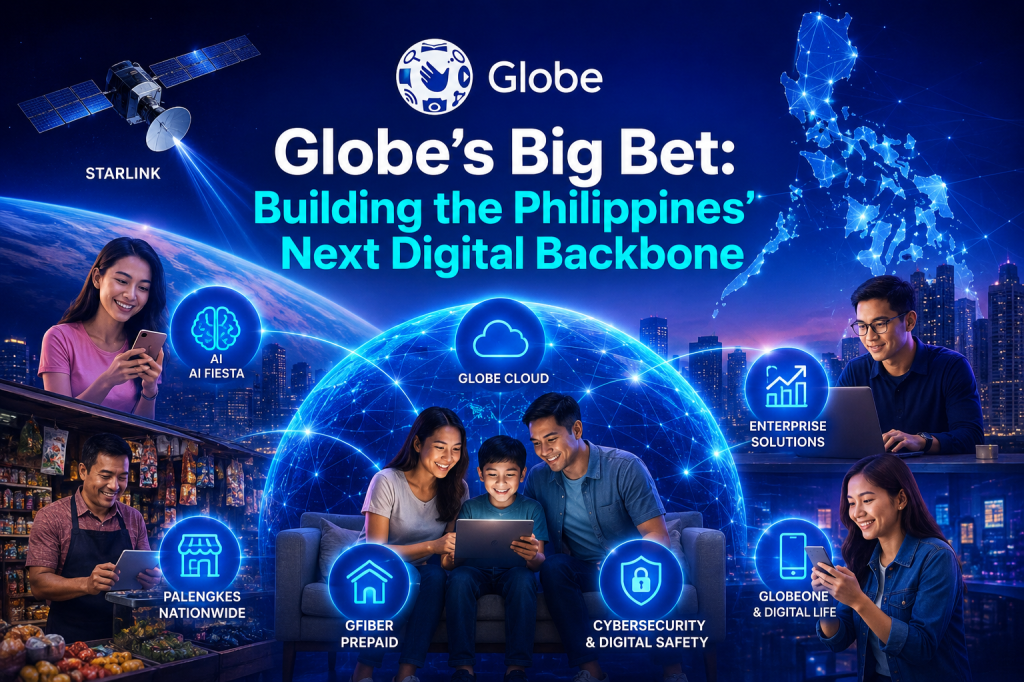
What sits on top of that foundation is where the future is heading:
- Artificial Intelligence
- Cloud Services
- Cybersecurity
- Satellite Connectivity
- Digital Commerce
- Financial Inclusion
- Smart Home Technology
- Enterprise Transformation
The strategy is simple.
Connect people first.
Then become the platform powering everything they do.
AI Is No Longer Optional
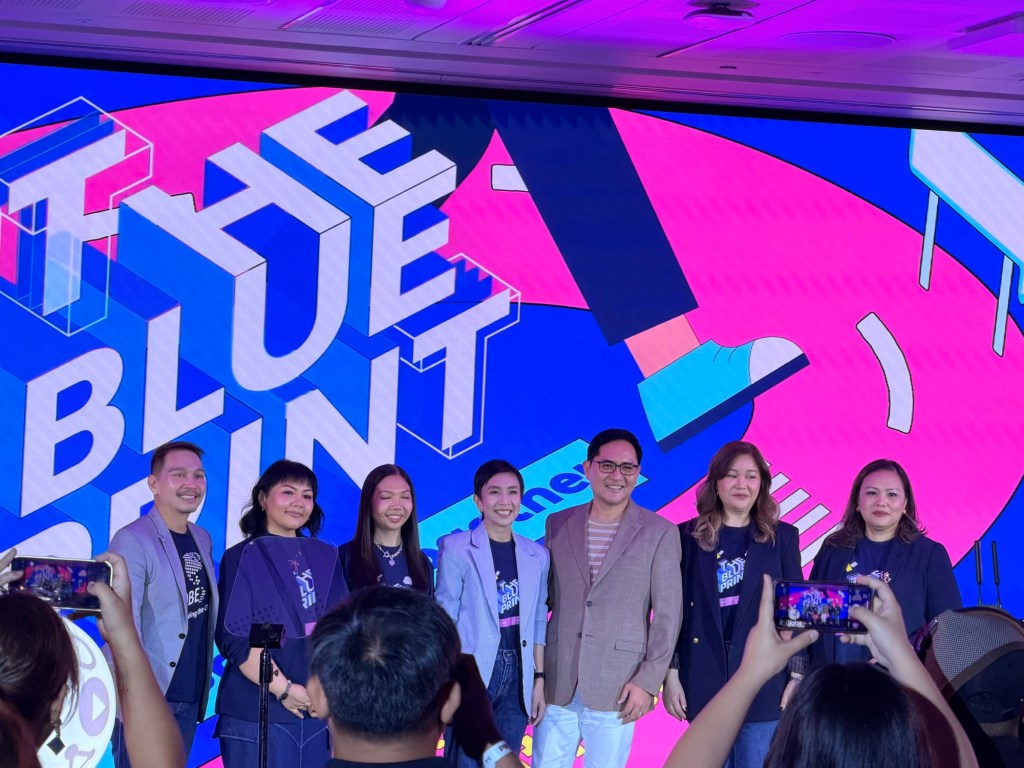
One of the strongest announcements came through Globe’s AI Fiesta initiative.
Unlike many AI conversations focused on developers, engineers, and tech enthusiasts, Globe took a different approach.
The focus was practical.
How can AI help everyday Filipinos?
The demonstrations showcased real-world applications:
- Creating content faster
- Organizing schedules
- Managing workloads
- Supporting small businesses
- Learning new skills
- Improving productivity
This matters because most people don’t need AI.
They need solutions.
The companies that win the AI race won’t be the ones with the most advanced models.
They’ll be the ones that make AI invisible, useful, and accessible.
Starlink Changes the Rules
Perhaps the most intriguing development was Globe’s integration of Starlink into its premium offerings.
Traditionally, connectivity stopped where infrastructure ended.
Not anymore.
Satellite-powered internet opens possibilities for:
- Remote communities
- Islands
- Outdoor tourism
- Maritime operations
- Disaster recovery
- Mobile workforces
For a country made up of more than 7,000 islands, that isn’t just a technology upgrade.
It’s an economic opportunity.
Reliable connectivity can now reach places where traditional infrastructure would take years to deploy.
The Quiet Revolution of GFiber Prepaid
One of the most practical announcements focused on GFiber Prepaid.
It may not generate the same excitement as AI or satellites, but it addresses a very real problem.
Many Filipinos want reliable fiber internet without long-term contracts, lock-in periods, or complicated billing structures.
GFiber Prepaid removes much of that friction.
The model reflects a larger trend happening globally.
Consumers increasingly want flexibility over ownership.
Convenience over commitments.
Access over contracts.
The Rise of the Intelligent Home
Another major theme was the evolution of home connectivity.
Features such as:
- ONU Mesh Fiber-to-the-Room
- Intelligent Band Steering
- AI-driven network optimization
- Enhanced customer support
suggest Globe is preparing for a future where homes contain dozens of connected devices.
Smart TVs.
Security systems.
Gaming devices.
Remote work setups.
AI assistants.
The internet is no longer connecting people.
It’s connecting entire ecosystems inside the home.
Cloud Is Becoming the New Utility
Electricity transformed the industrial age.
Internet transformed the information age.
Cloud infrastructure may define the next era.
Globe Cloud signals the company’s ambition to become more deeply embedded in how businesses operate, collaborate, store information, and serve customers.
The future isn’t simply being online.
It’s being connected, intelligent, and scalable.
Cloud infrastructure sits at the center of that transformation.
Why “Dominating Palengkes Nationwide” Matters
One slide stood out from everything else.
“Dominating Palengkes Nationwide.”
At first glance, it may seem like a simple retail expansion strategy.
It’s much bigger than that.
Traditional markets remain the economic heartbeat of countless Filipino communities.
Bringing connectivity, digital payments, digital services, and online access into those environments represents real digital inclusion.
Technology often focuses on urban centers.
The bigger opportunity lies beyond them.
The companies that successfully connect micro-entrepreneurs, market vendors, and underserved communities will shape the next decade of economic growth.
Social Media Is Becoming Infrastructure
Globe also highlighted integrations around:
- GlobeOne
- Instagram AIR
- Cash Load
- Digital lifestyle services
This reinforces a critical shift.
Social media is no longer entertainment.
For millions, it has become:
- A storefront
- A classroom
- A workplace
- A customer service channel
- A source of income
The future belongs to platforms that understand this reality.
The Bigger Picture
Most product launches focus on features.
This one focused on ecosystems.
Viewed individually, each announcement is interesting.
Viewed together, a larger strategy emerges.
Globe is building an interconnected platform that combines:
- Connectivity
- Artificial Intelligence
- Cloud Infrastructure
- Cybersecurity
- Satellite Technology
- Financial Services
- Smart Home Technology
- Community Inclusion
The goal isn’t simply to provide internet access.
The goal is to become the digital backbone of everyday life.
Final Thought
The most important lesson from Globe’s event wasn’t about AI.
It wasn’t about Starlink.
It wasn’t even about faster internet.
It was about understanding where technology is headed.
The future will belong to organizations that stop thinking in products and start thinking in ecosystems.
The companies that win won’t be those with the fastest network.
They’ll be the ones that make people’s lives easier, smarter, safer, and more connected every single day.
Globe appears determined to be one of them.
And based on what was presented, they’re building far more than a telecom company.
They’re building digital infrastructure for the next chapter of the Philippines.


Leave a comment