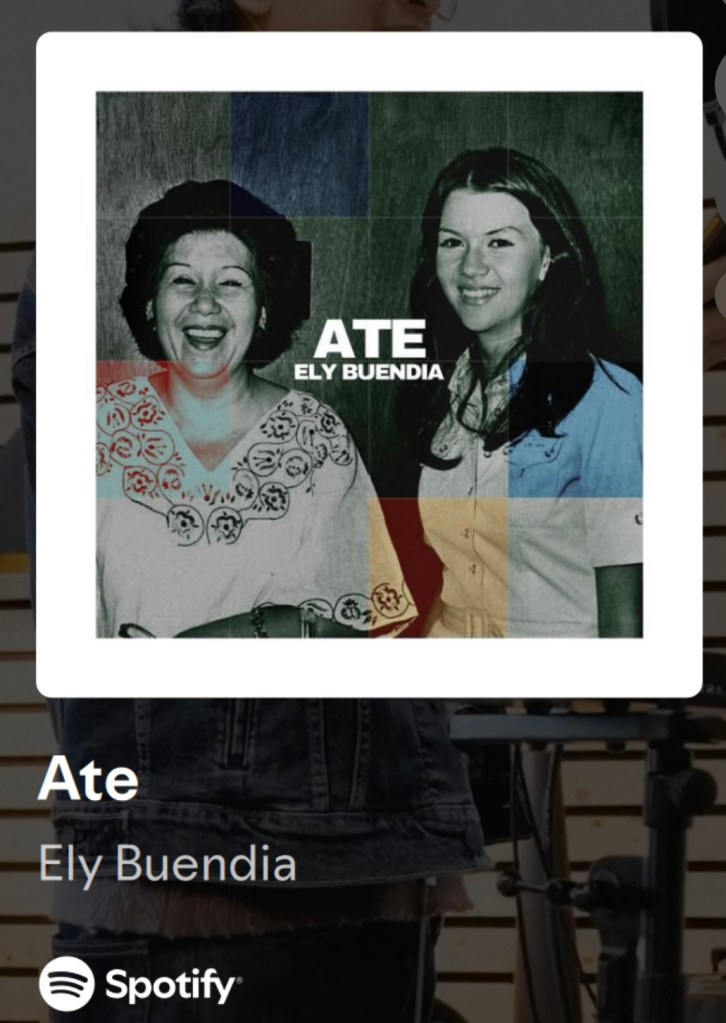
There’s a discipline to how Ely Buendia releases music. No grand declarations, or even attempts to outpace his own music mythology. “Ate” arrives without spectacle, and in doing so, it reveals something sharper, an artist who has long moved past the need to prove, and is instead focused on precision.
Structurally, the track leans into restraint. The arrangement is measured, giving space for melody to carry emotional weight without overproduction. There’s a deliberate avoidance of excess, no dramatic swells engineered for reaction, no forced climaxes. Instead, the song trusts its core elements: a steady melodic line, controlled instrumentation, and a vocal delivery that stays close to the lyric rather than performing above it.
Buendia’s vocal approach here is notably conversational, almost unguarded. He doesn’t reach for flourish. He lets phrases land as they are, allowing pauses and negative space to do as much work as the words themselves. It’s a technique more aligned with actual lived in storytelling, and it gives “Ate” its emotional credibility.
Lyrically, the song avoids the trap of nostalgia as shorthand. There are no overt callbacks, no reliance on past iconography. Instead, it operates in a reflective register, one that acknowledges memory without romanticizing it. The writing feels pared down to essentials, suggesting acceptance rather than resolution. It recognizes the weight and chooses to sit with it.
Placed against my personal backdrop of this Holy Week, that choice resonates more sharply. This is a period that invites stillness, but also confrontation, with loss, with fatigue, with things left unresolved. “Ate” does not attempt to transcend that context. It aligns with it. The song’s pacing, its refusal to escalate, mirrors the introspective rhythm of the week. It becomes less of a soundtrack and more of a companion.

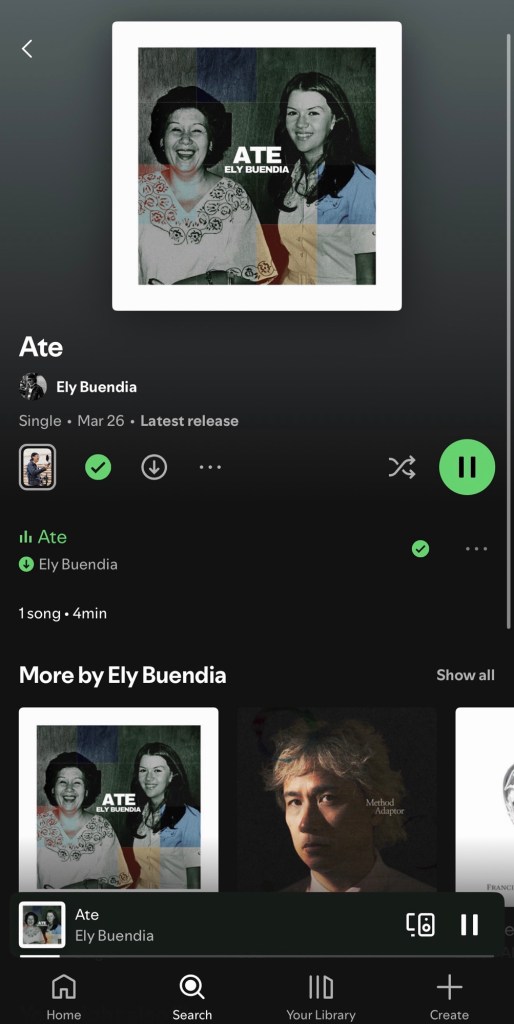
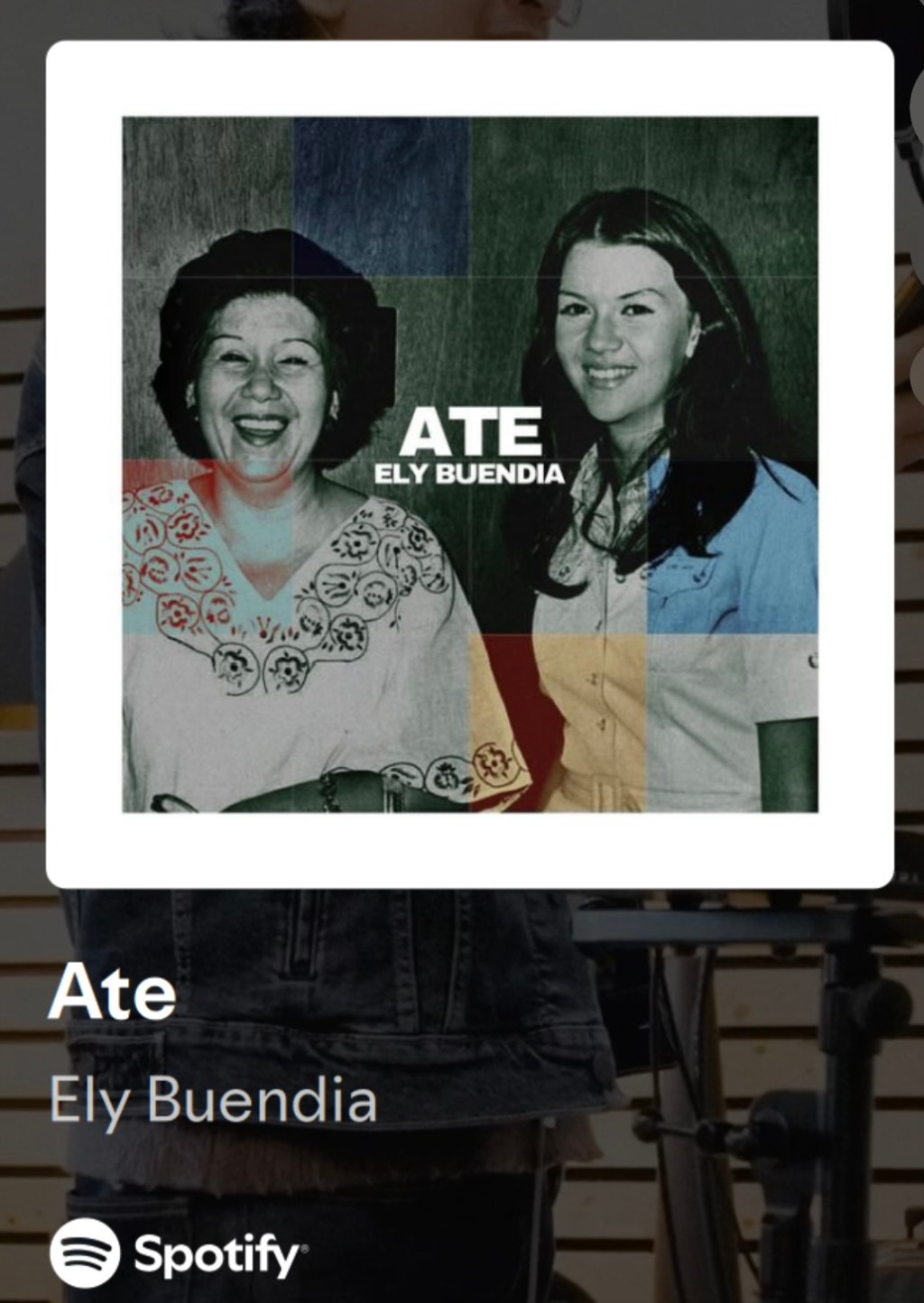
Even the visual framing reinforces this intent. The use of Audry’s mom and lola for the cover art grounds the release in personal history, shifting it away from abstraction and into something momentous. It’s a subtle decision, but an effective one. It situates the song within lineage, memory, and lived experience, reinforcing the track’s thematic commitment to honesty over presentation.
What’s most striking is how Buendia continues to evolve without signaling reinvention. There’s no visible pivot, or overt recalibration for relevance. The progression is internal, reflected in choices like this, quieter songs, tighter structures, a clearer sense of what to leave behind. It’s a form of innovation that doesn’t announce itself, but accumulates over time.
“Ate” doesn’t stand alone. It carries the weight of decades of work that have consistently chosen integrity over immediacy. The songwriting has shifted, the production has adapted, but the throughline remains, a commitment to clarity, to emotional truth, to not overstating what a song can do. And in that sense, this review also reads as acknowledgment.
A thank you, not just for this track, but for the body of work that made it possible. For the willingness to keep refining, to keep moving, without diluting what made the music resonate in the first place. For the kind of timelessness that isn’t manufactured, but earned through consistency and intent.
If you need a song that doesn’t try to fix you, but stays with you anyway, stream “Ate” now on Spotify.
“Ate” doesn’t resolve the tension of its moment. But it holds it, steady, unembellished, and that, in itself, is a form of grace.
 TheWanderReign
Leave a comment