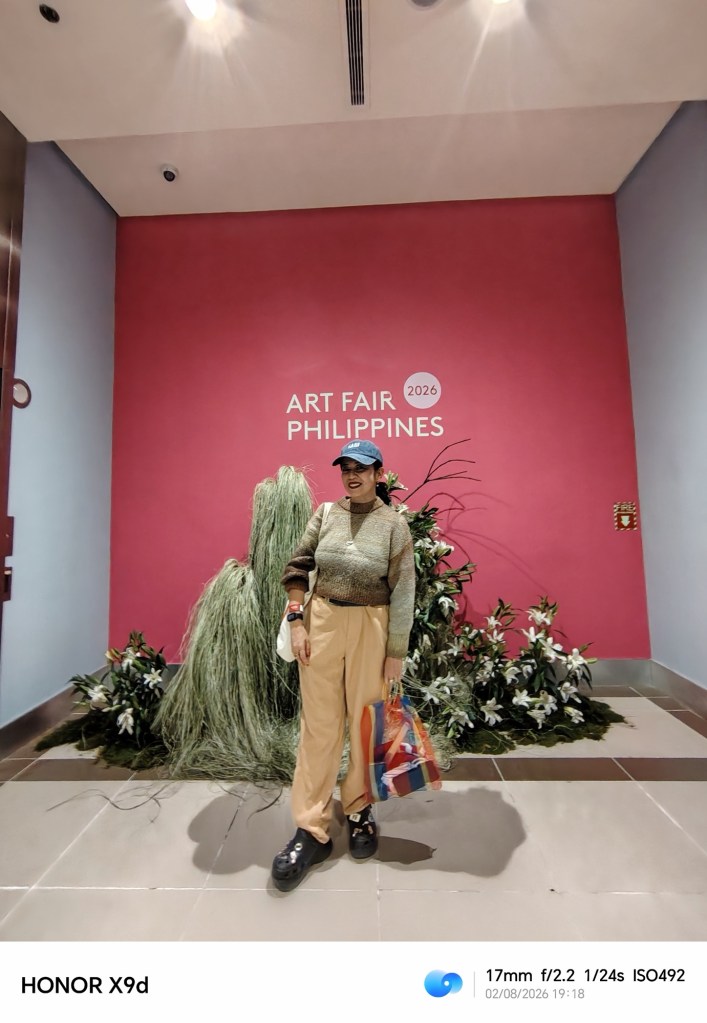
Two weeks after Art Fair Philippines 2026, I still catch myself thinking about certain works the way you remember a conversation that mattered. Not everything stays. Only the pieces that hit somewhere deeper.
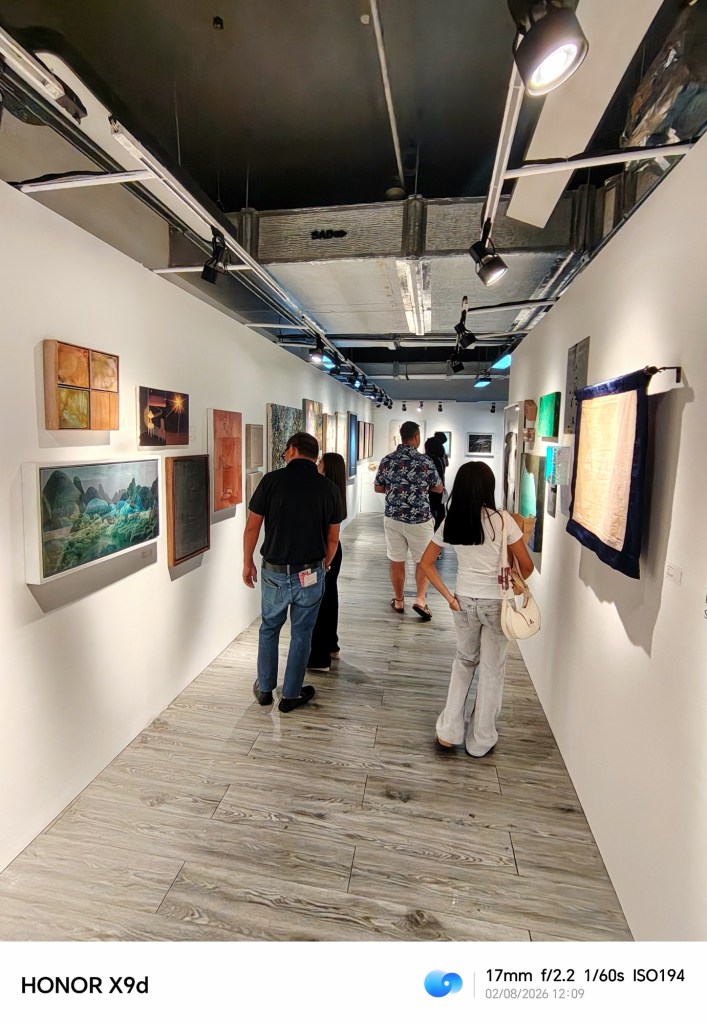
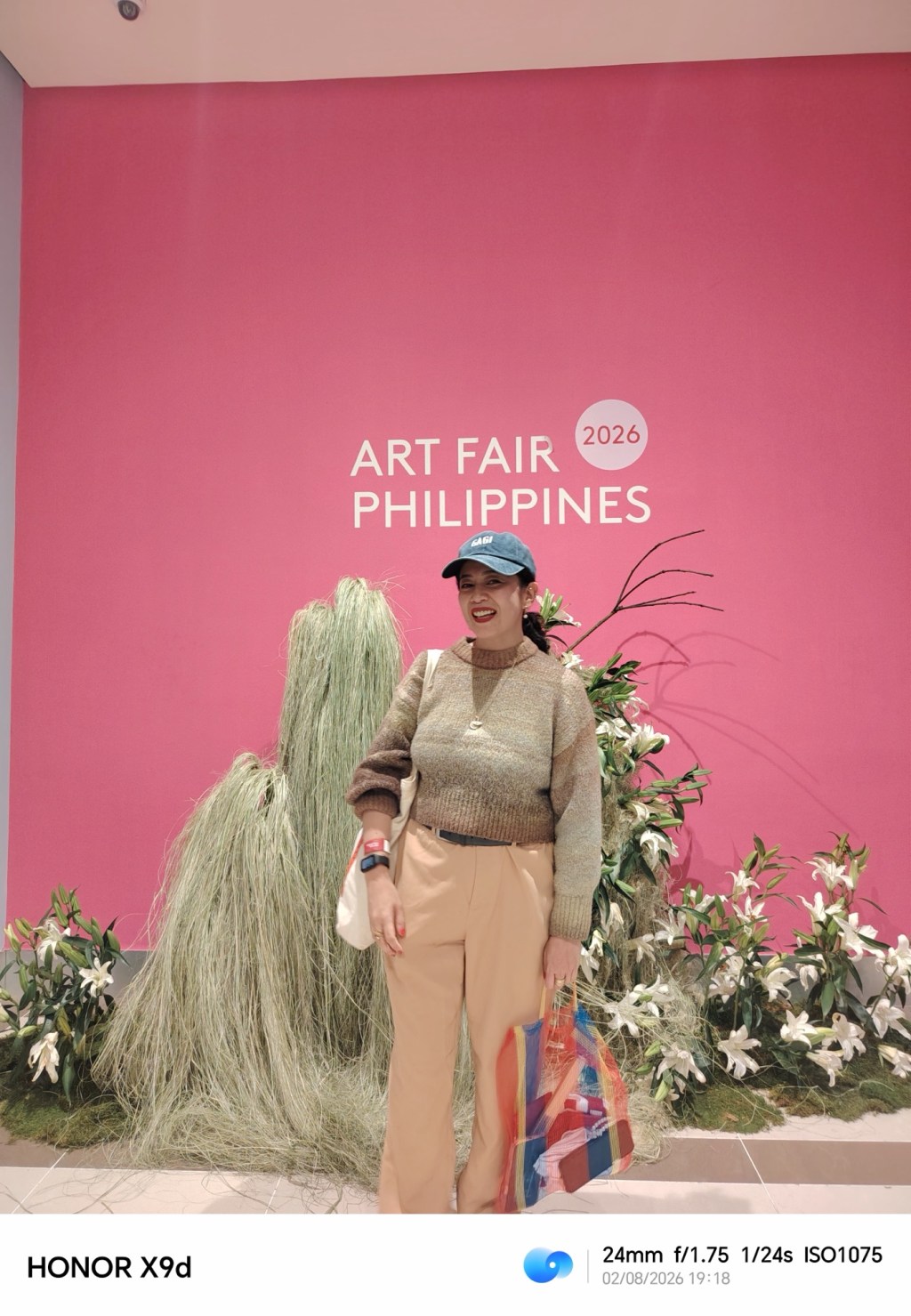
This year’s fair ran February 6 to 8, 2026 at Circuit Corporate Center One in Circuit Makati, a new venue that spread the exhibitions across multiple floors, turning the building into a vertical maze of contemporary art.
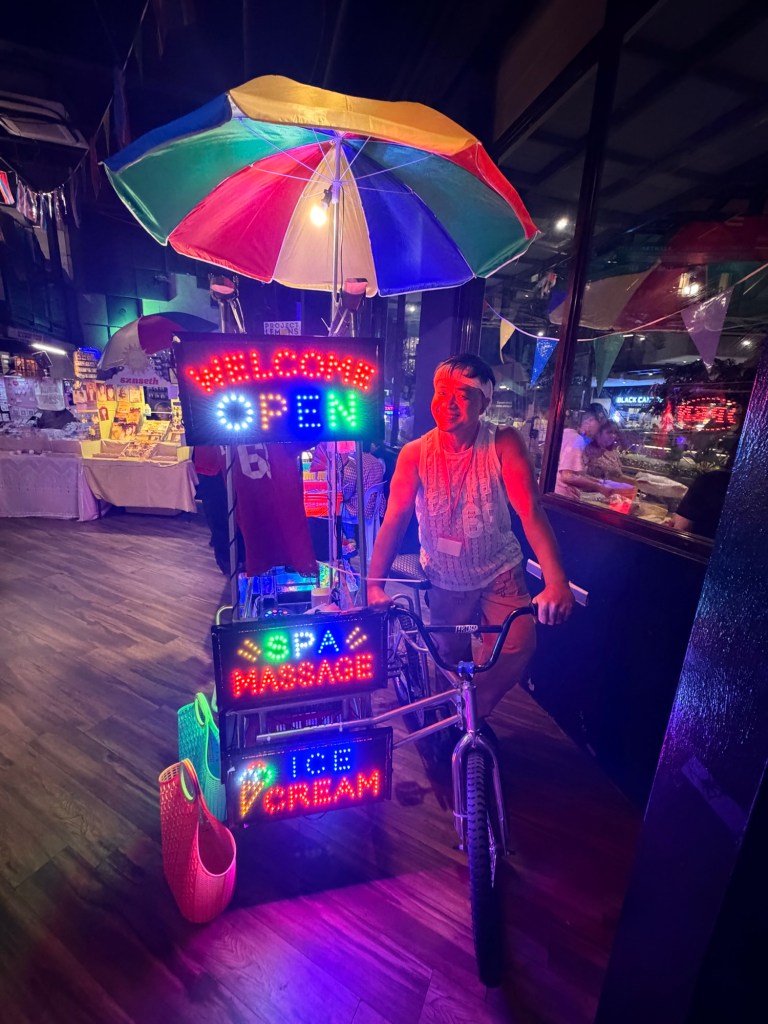
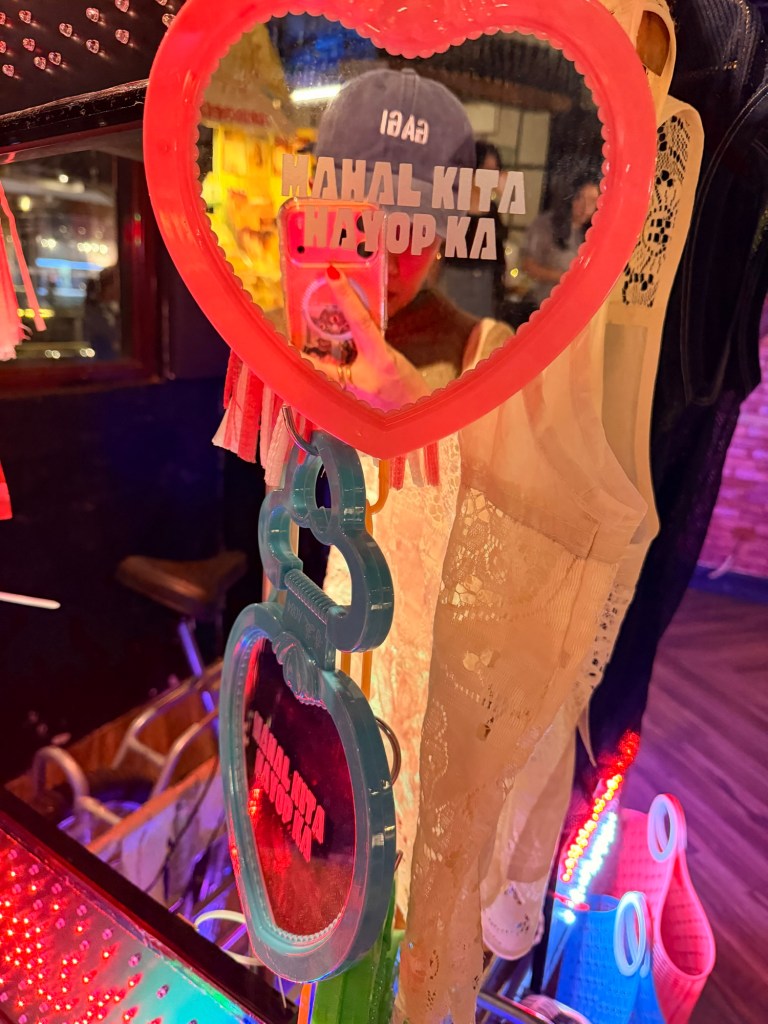
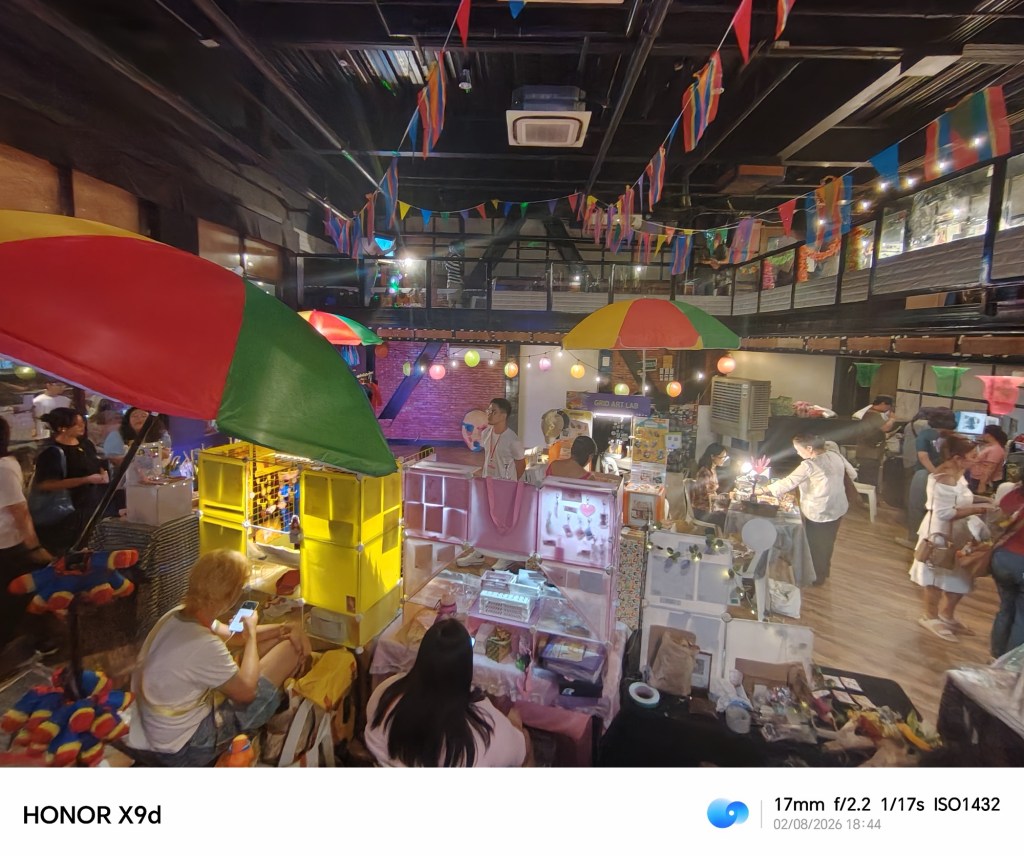
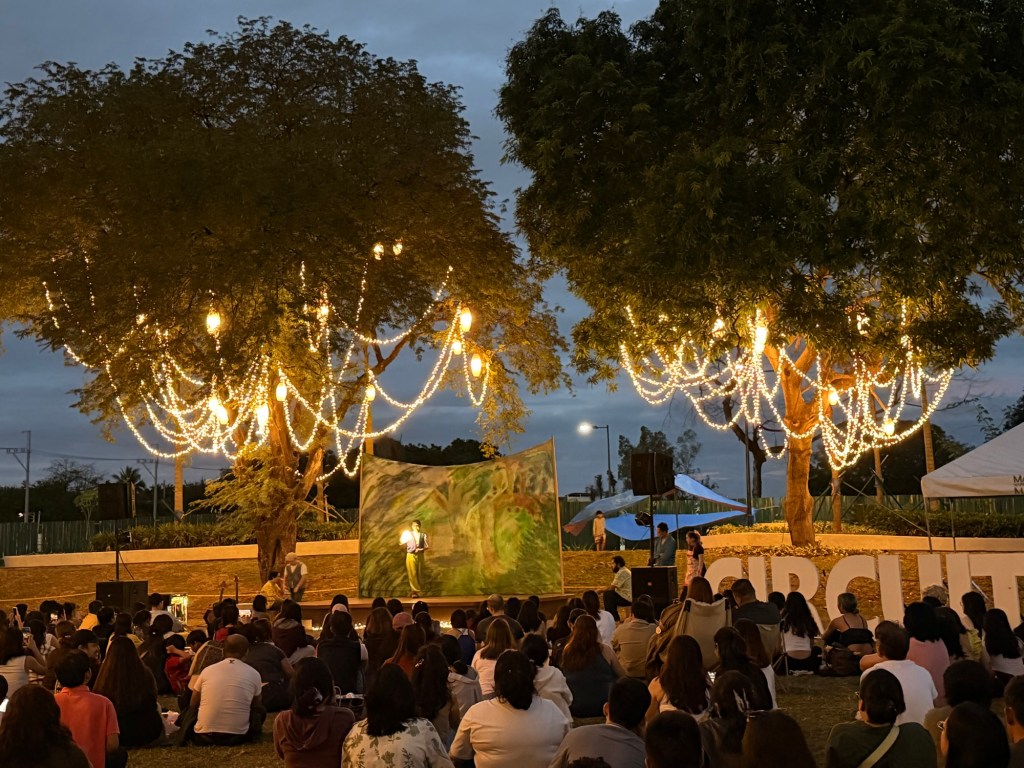
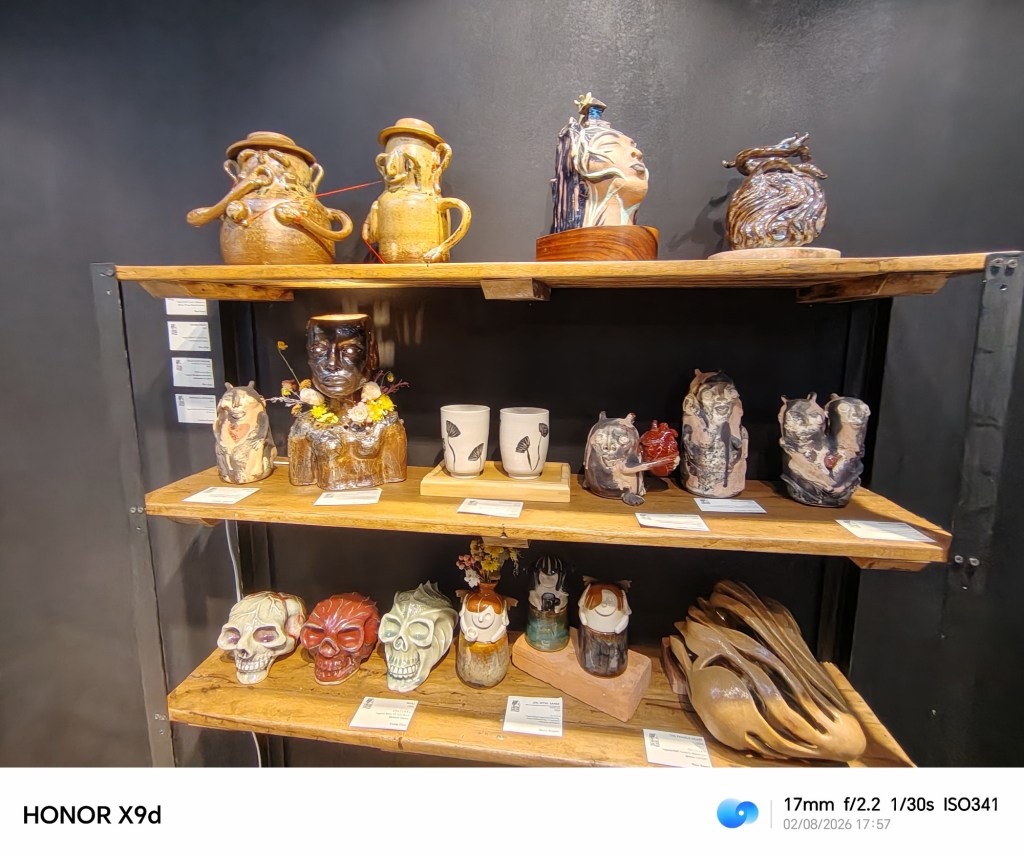
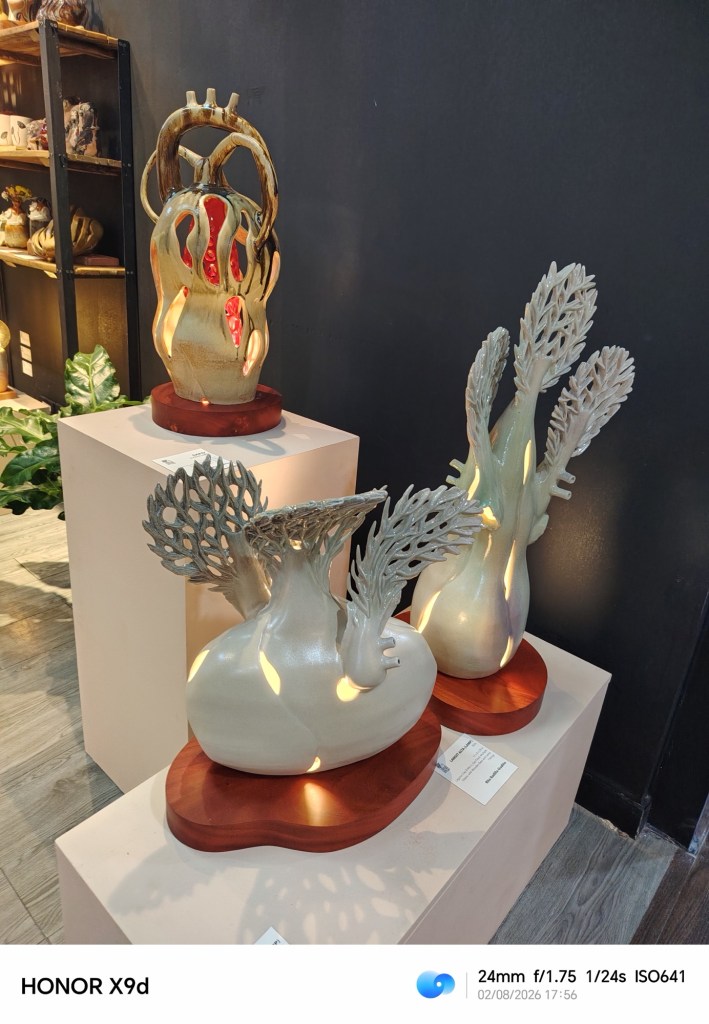
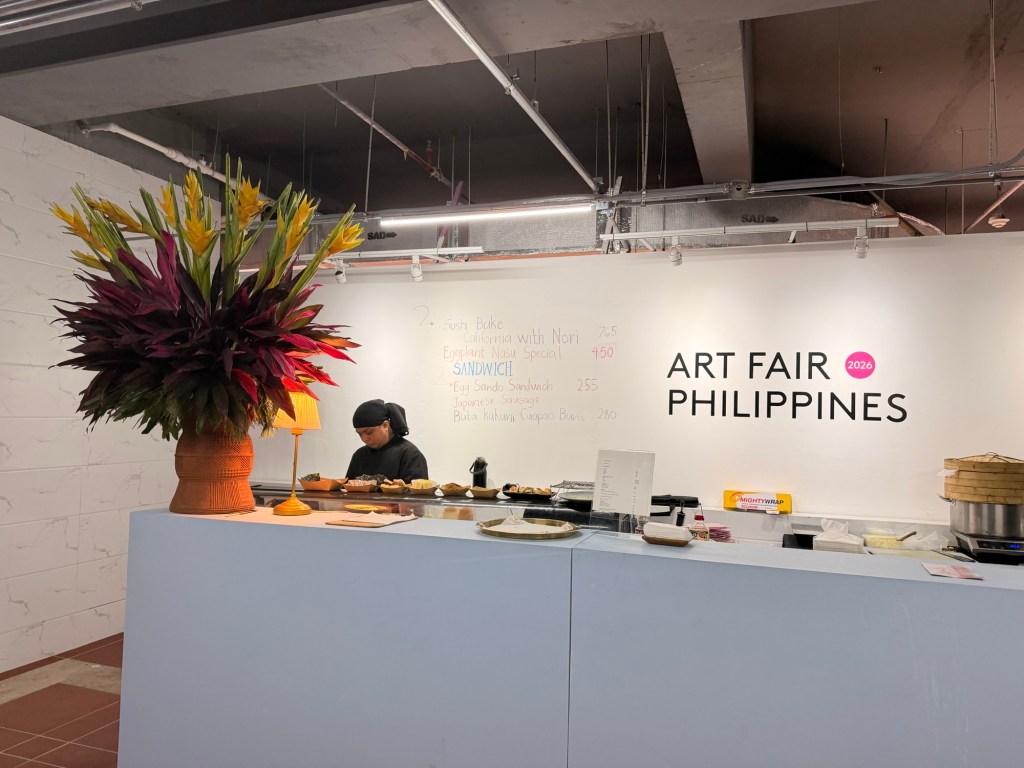

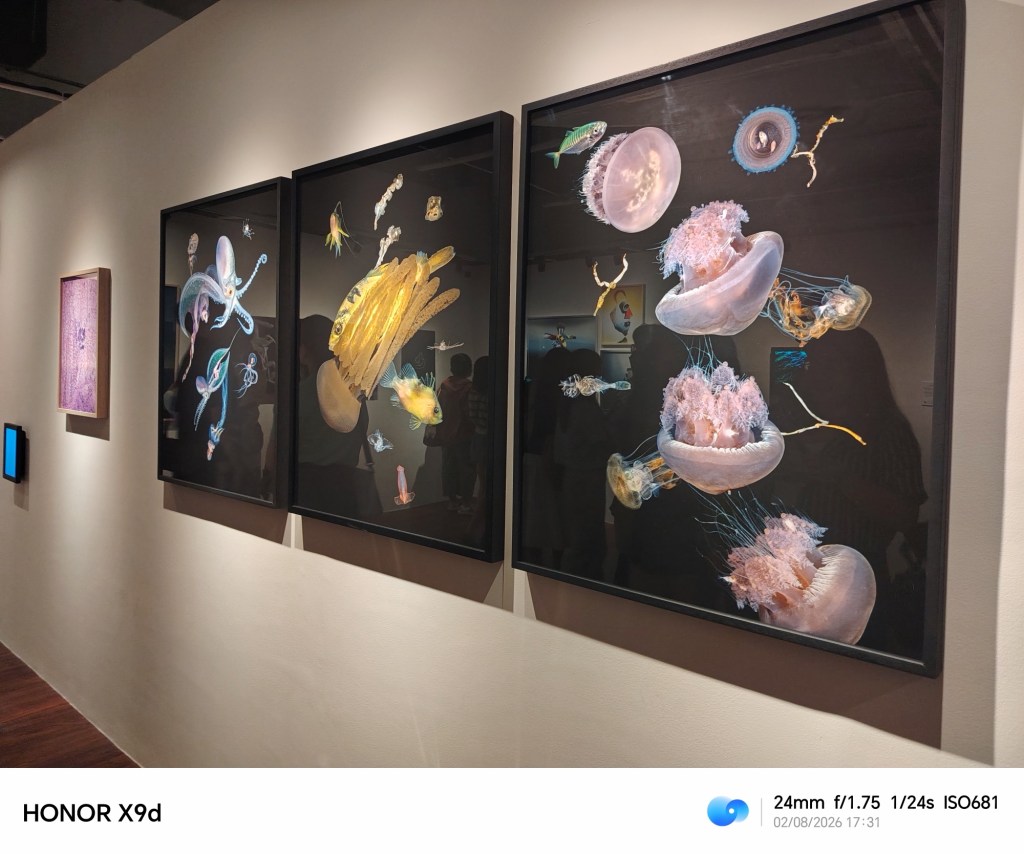
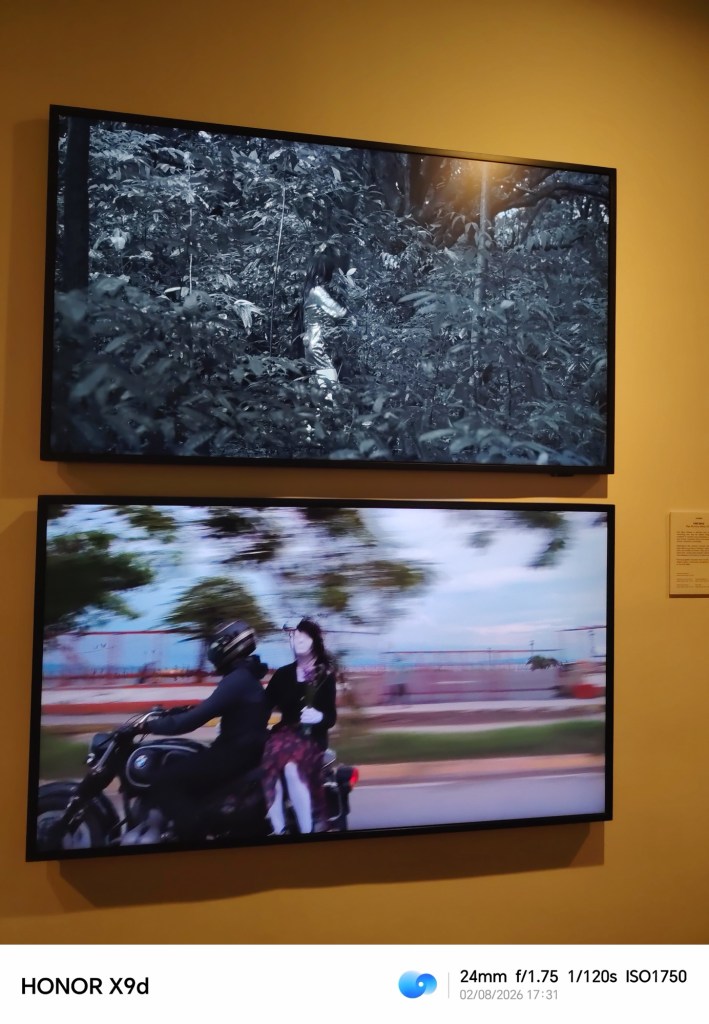
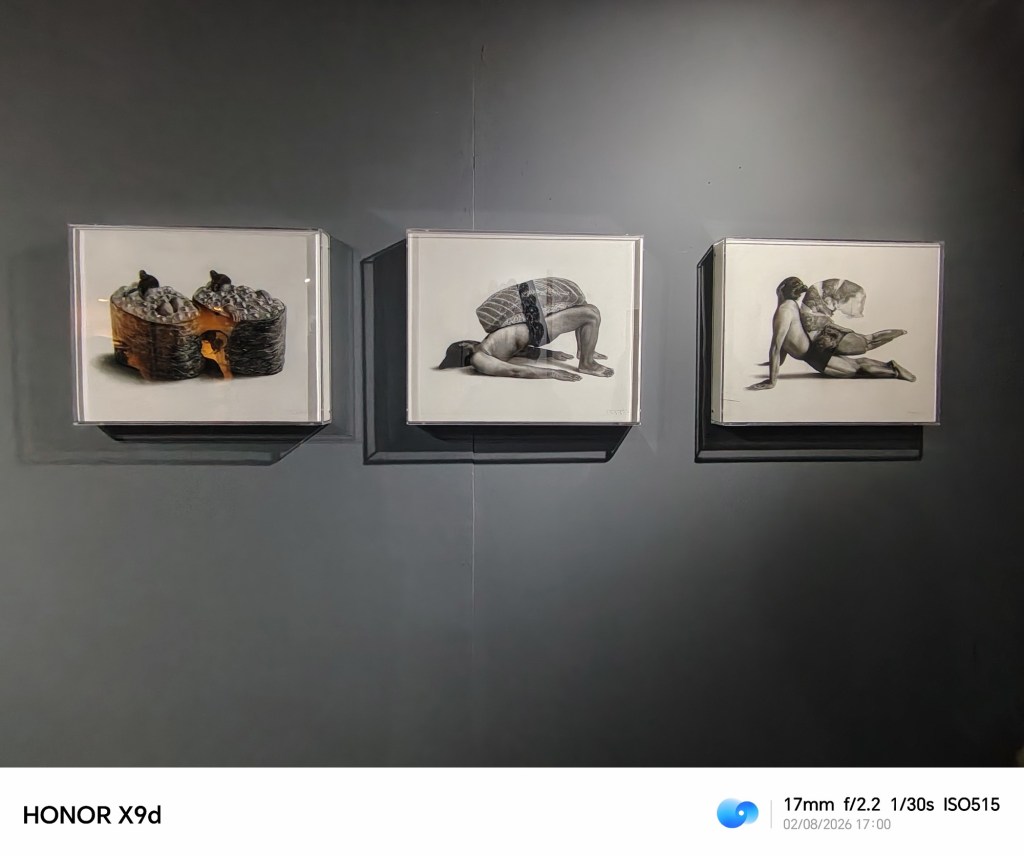
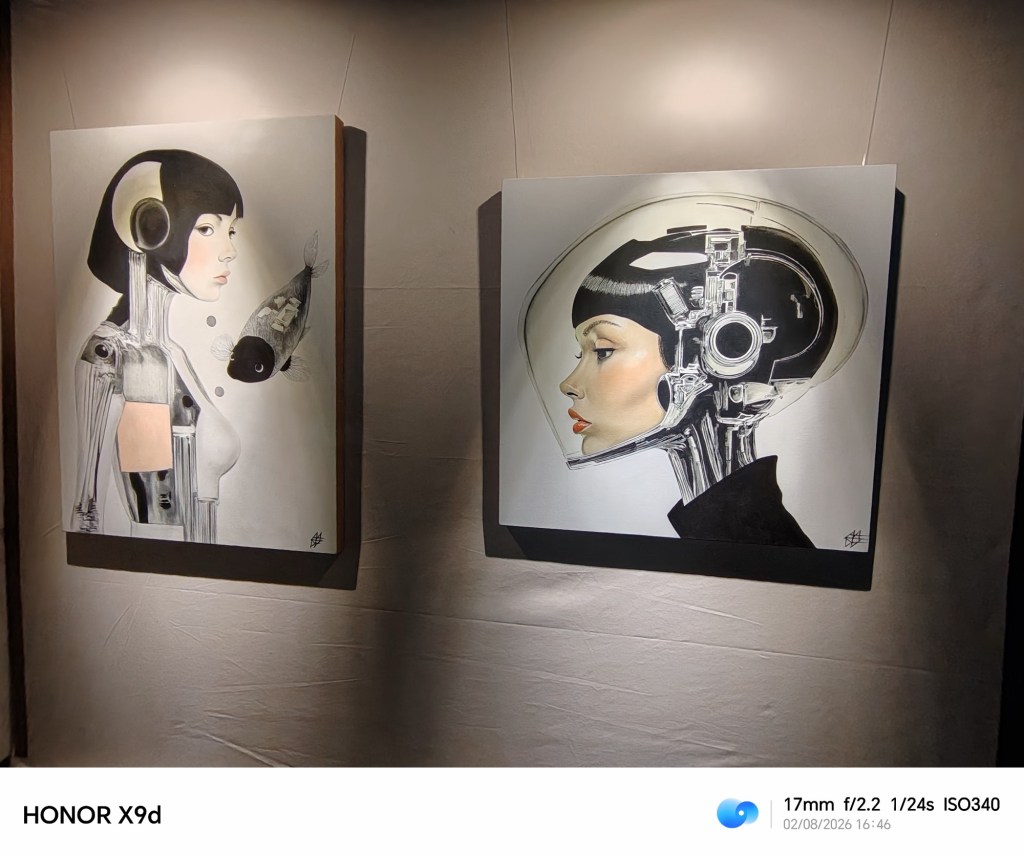
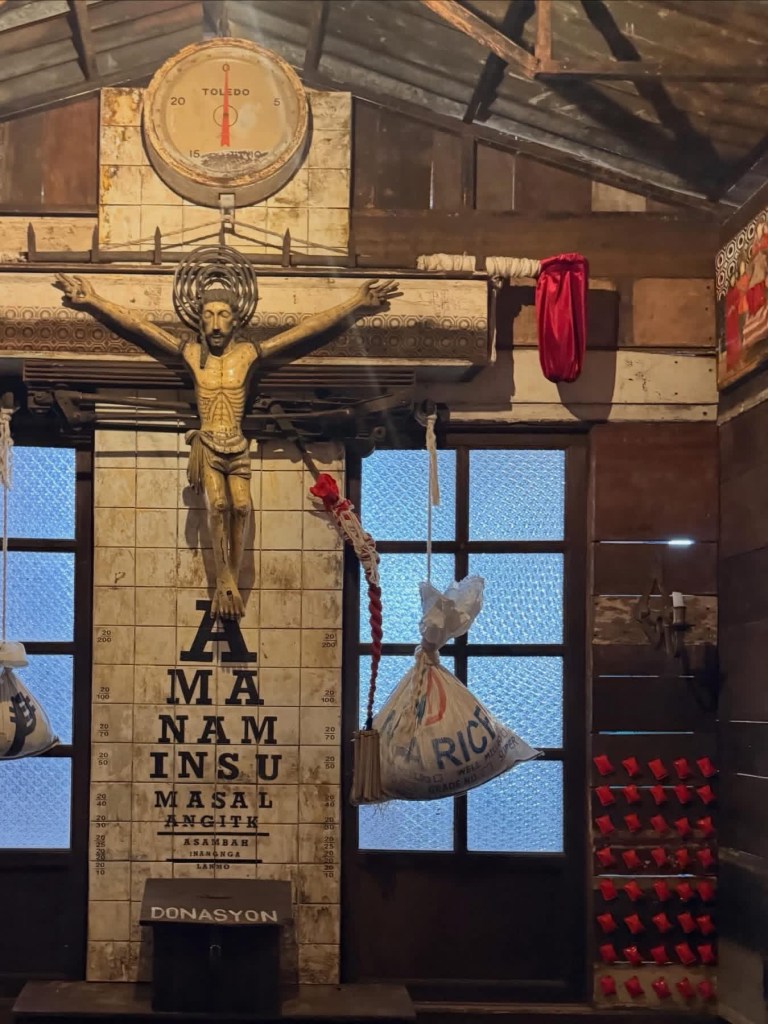
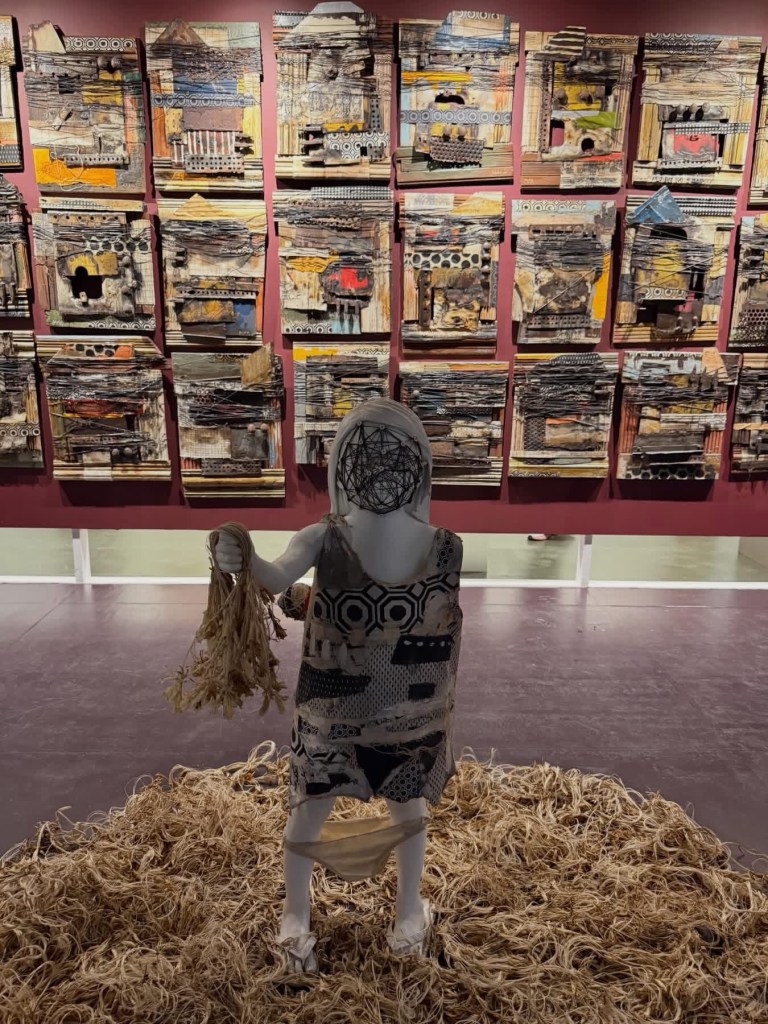
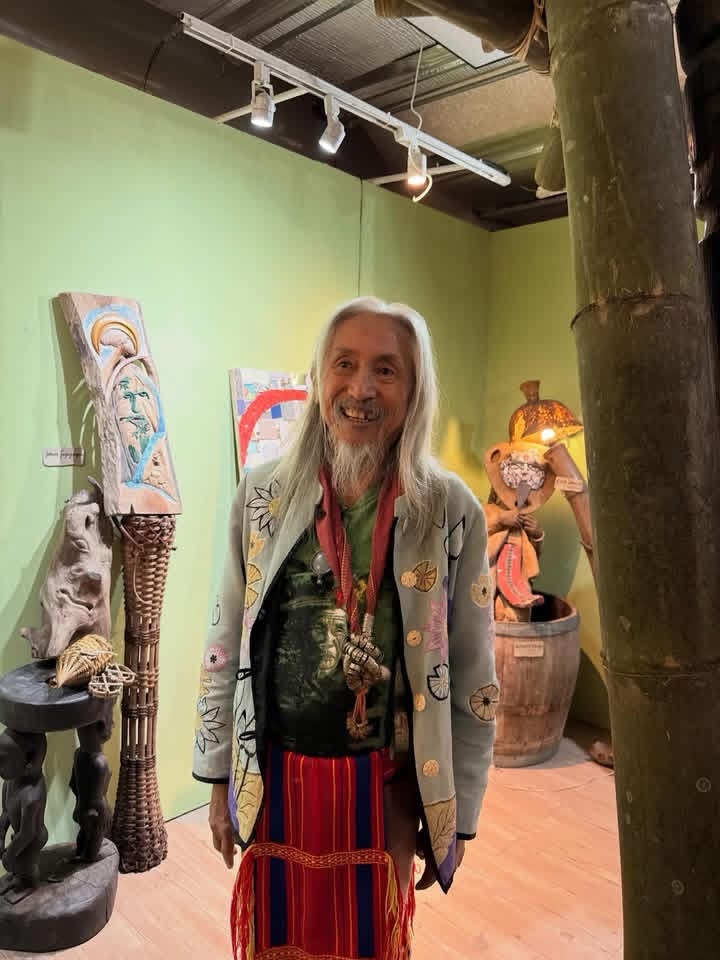
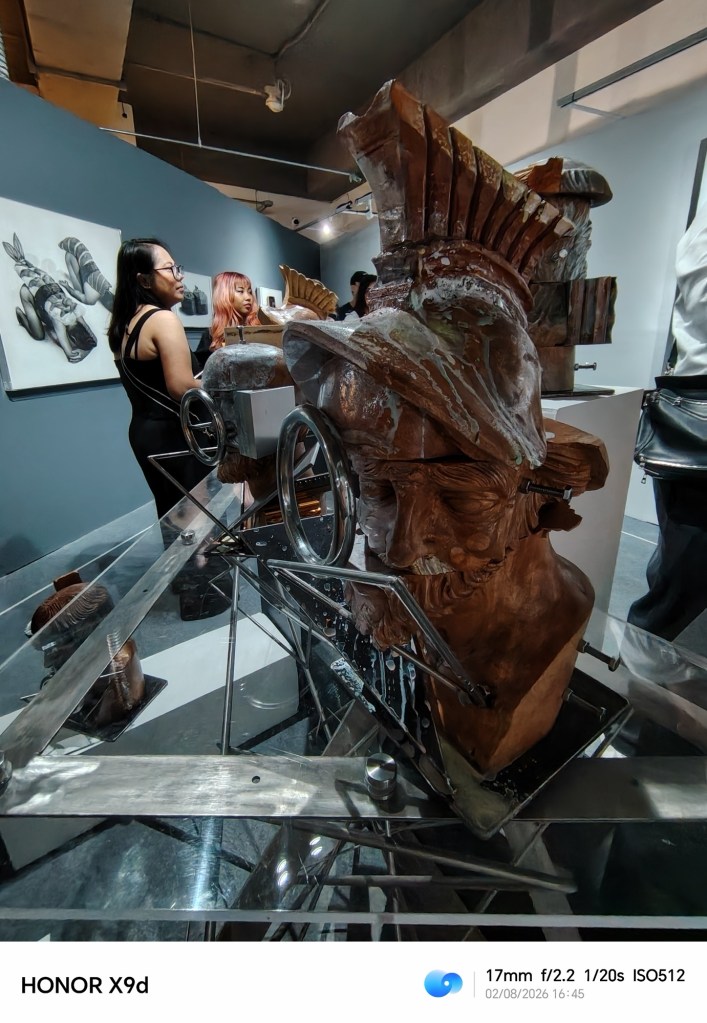
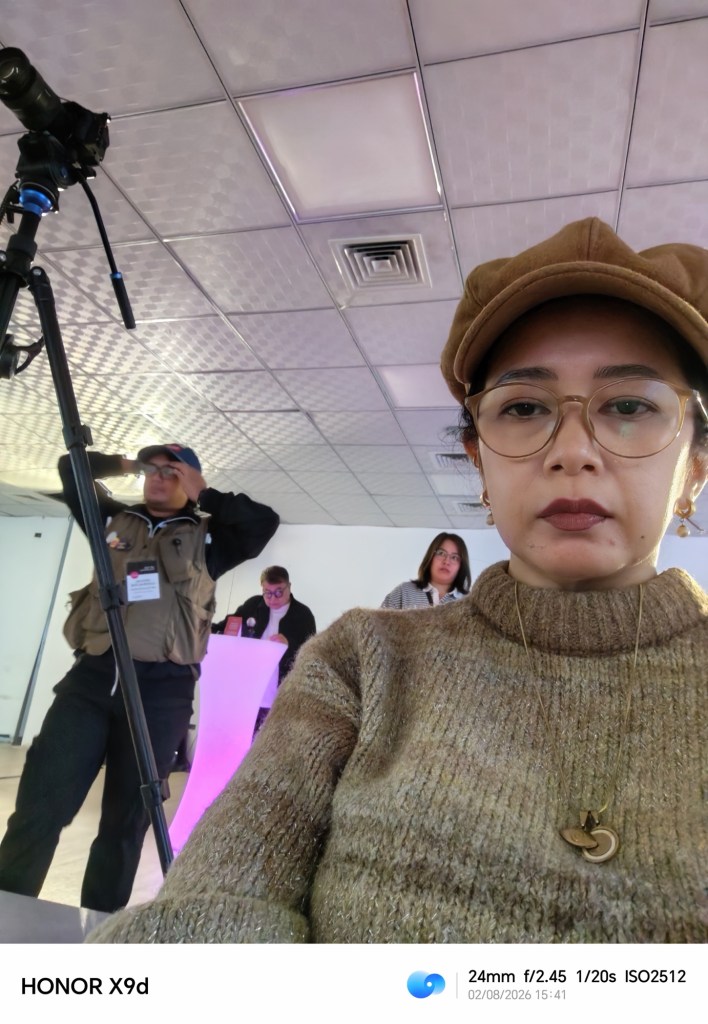
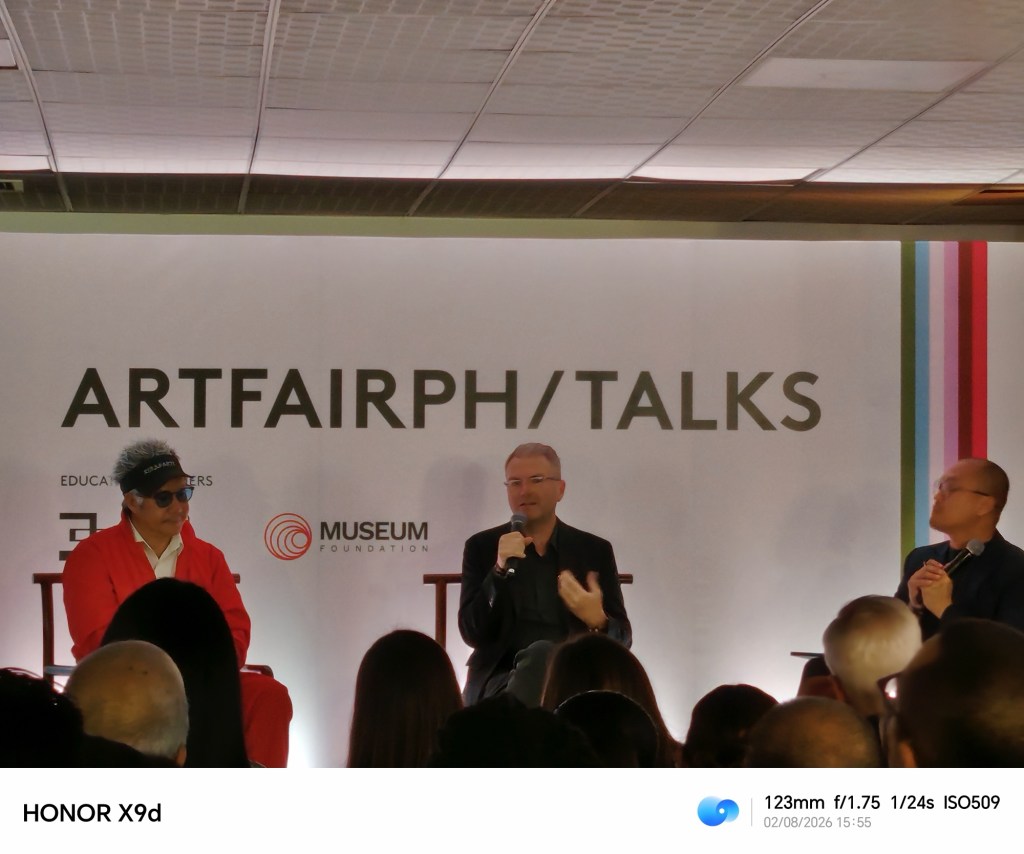
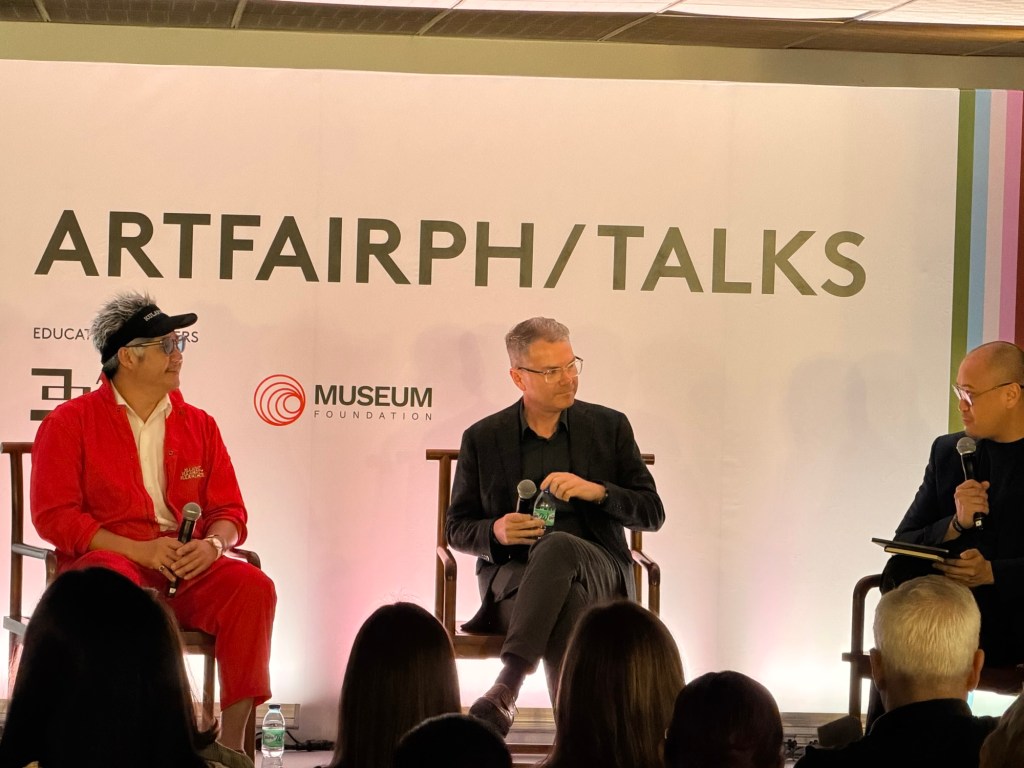
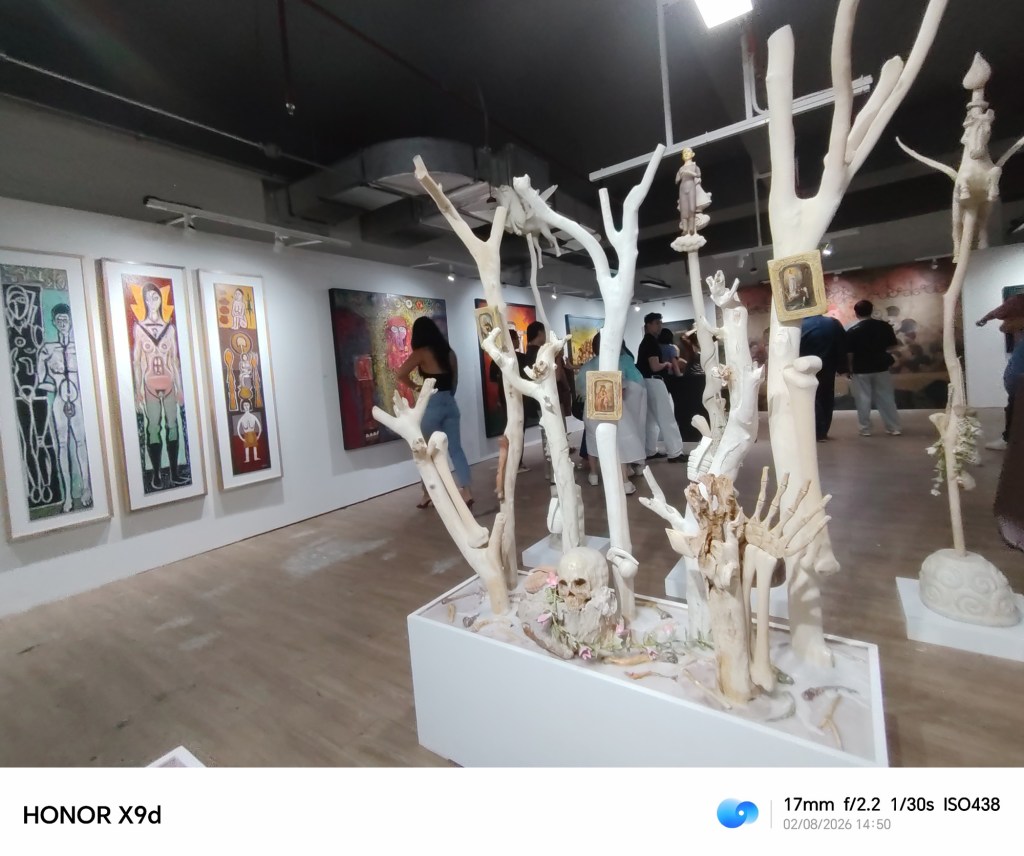
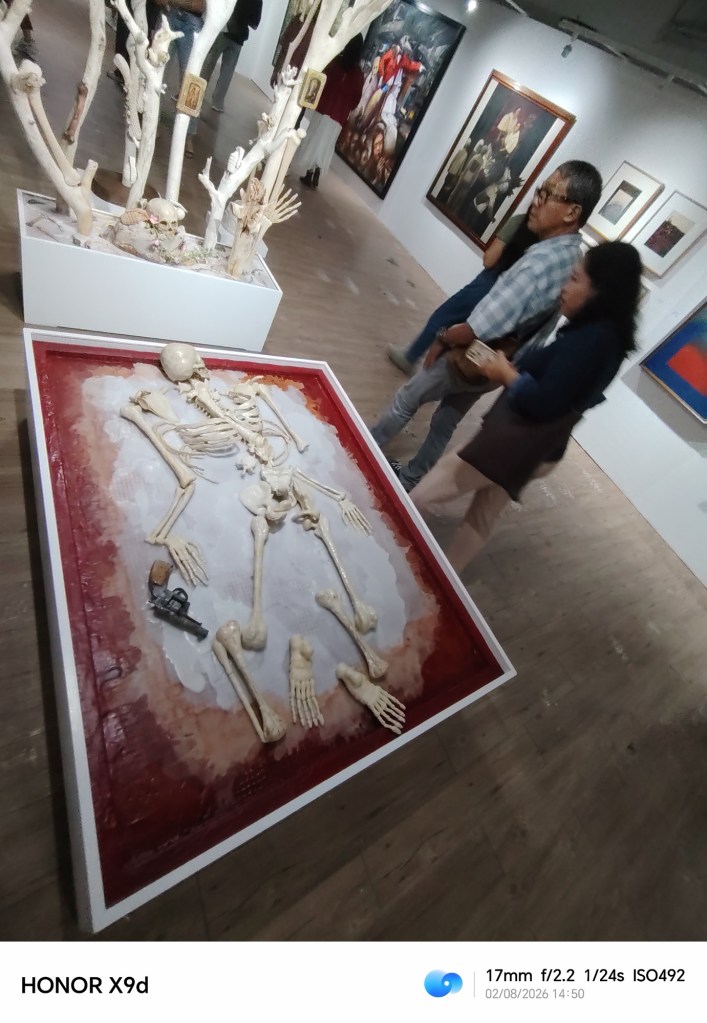
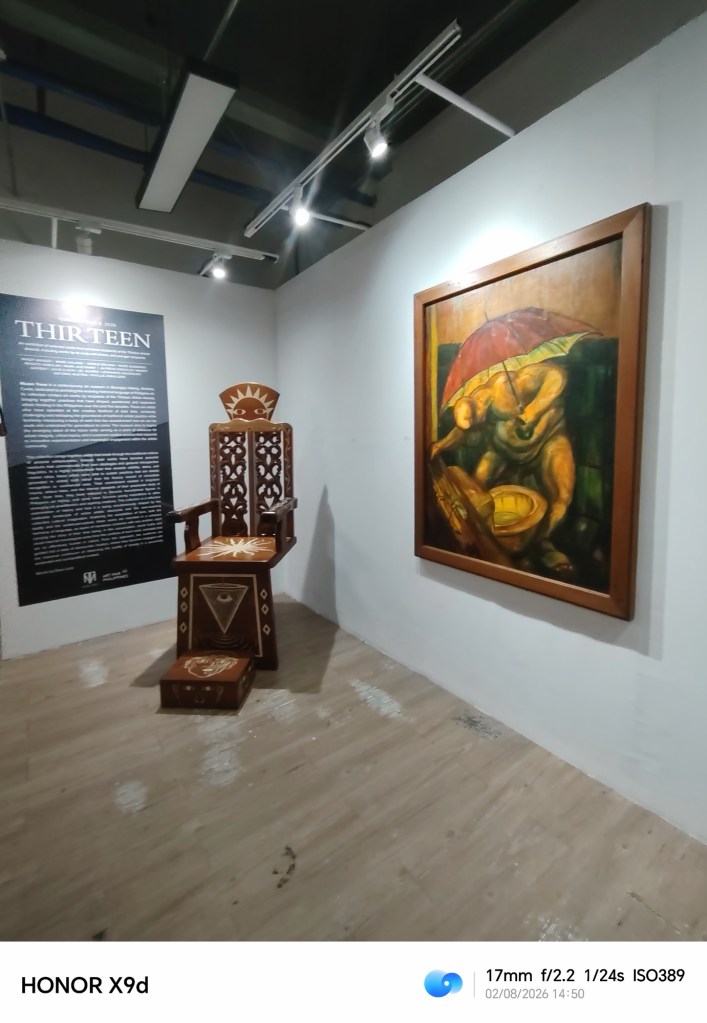
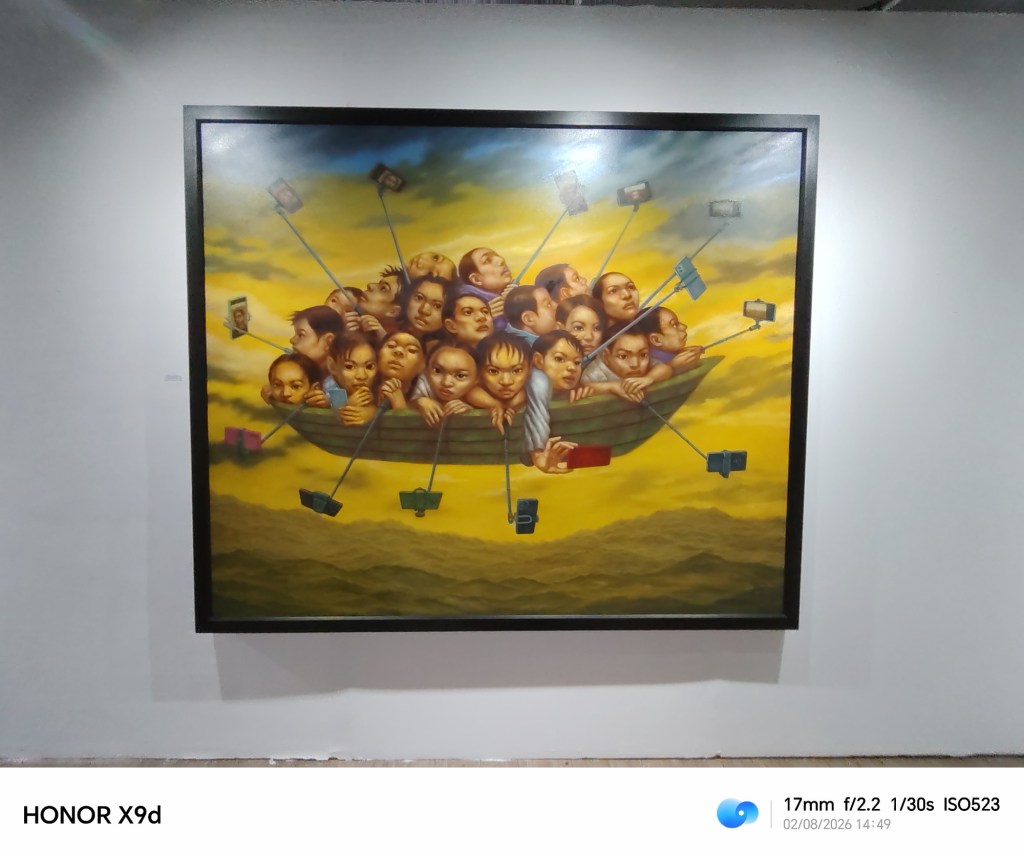
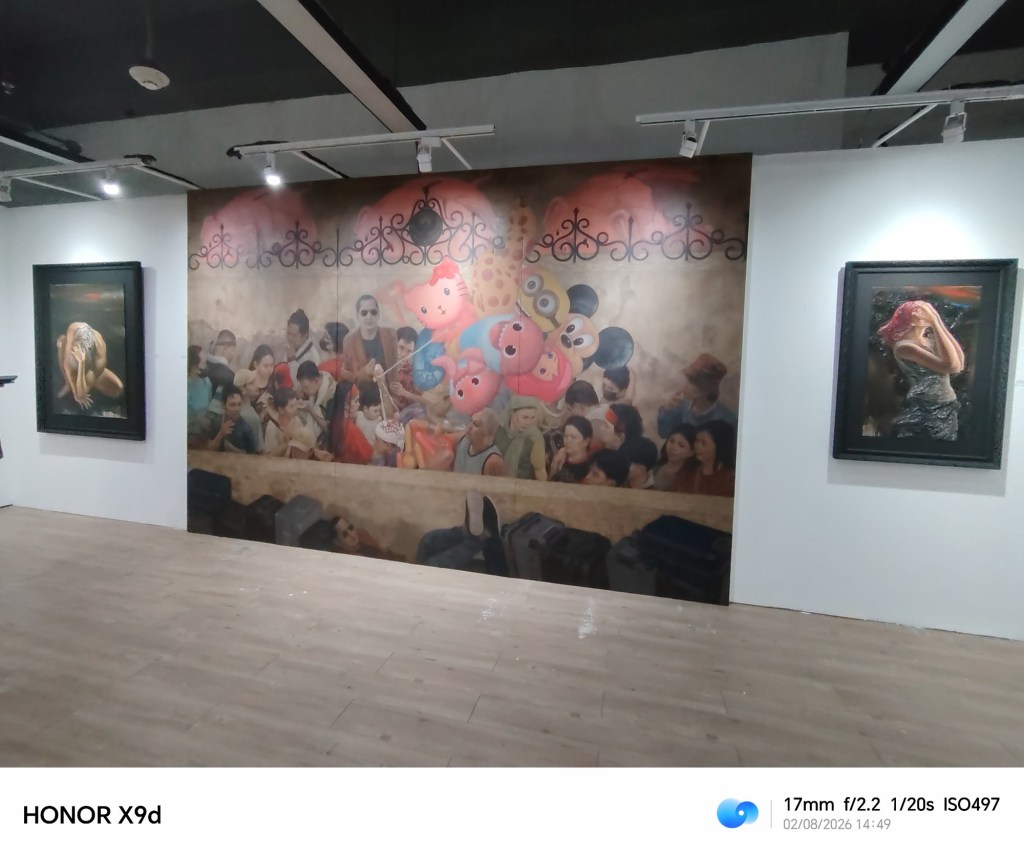

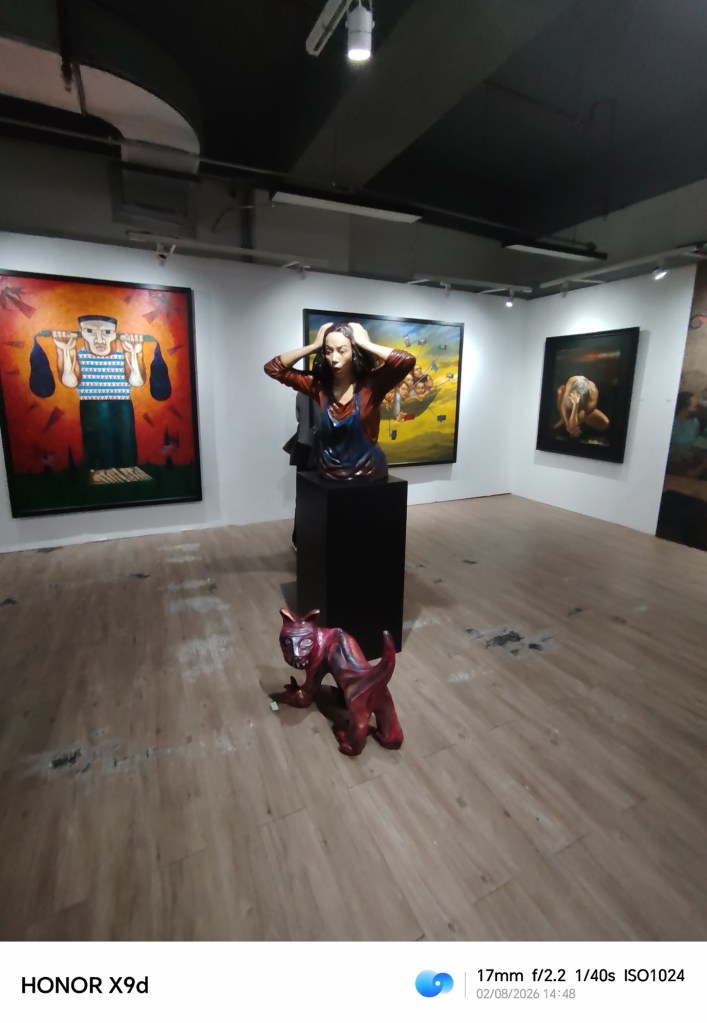
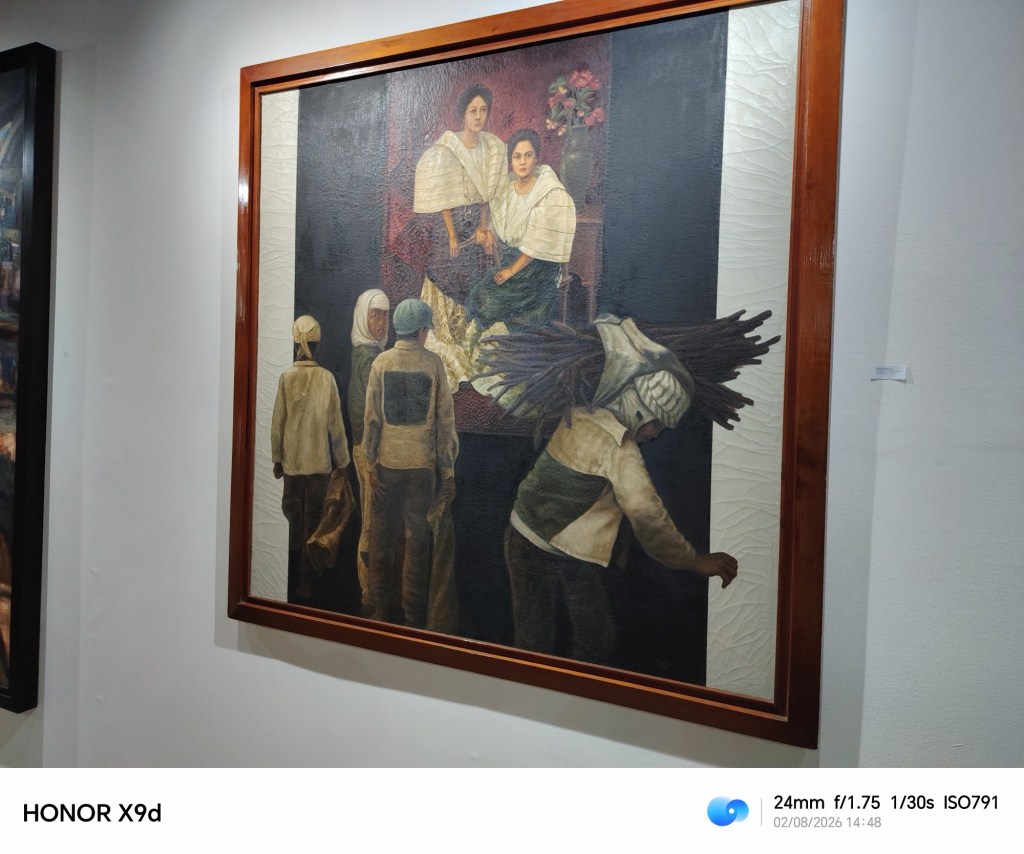
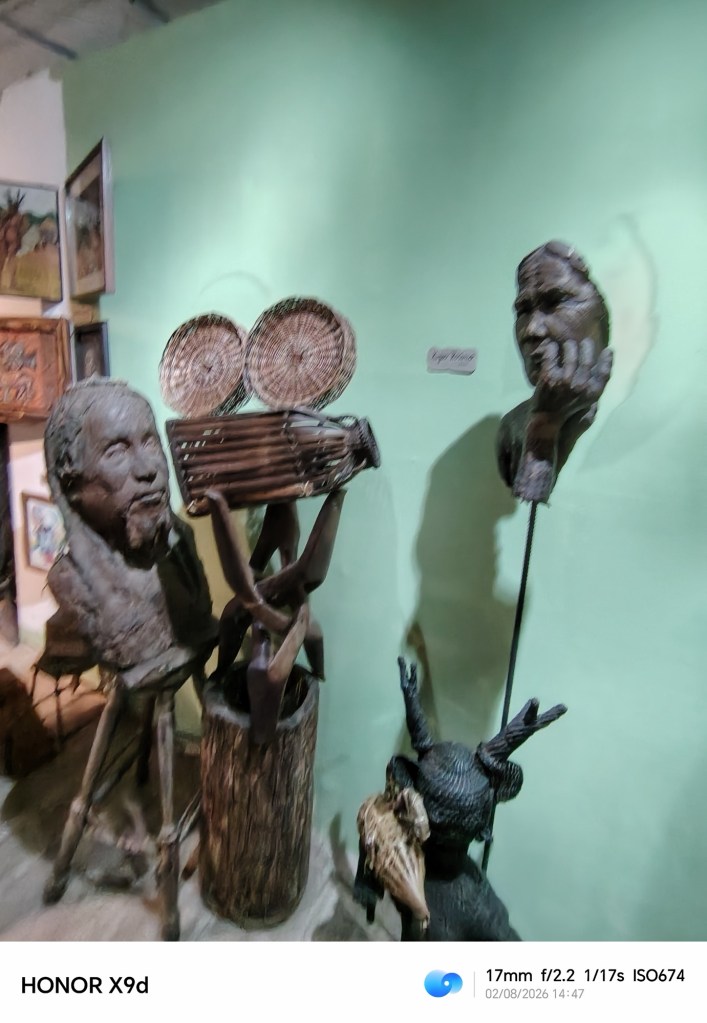
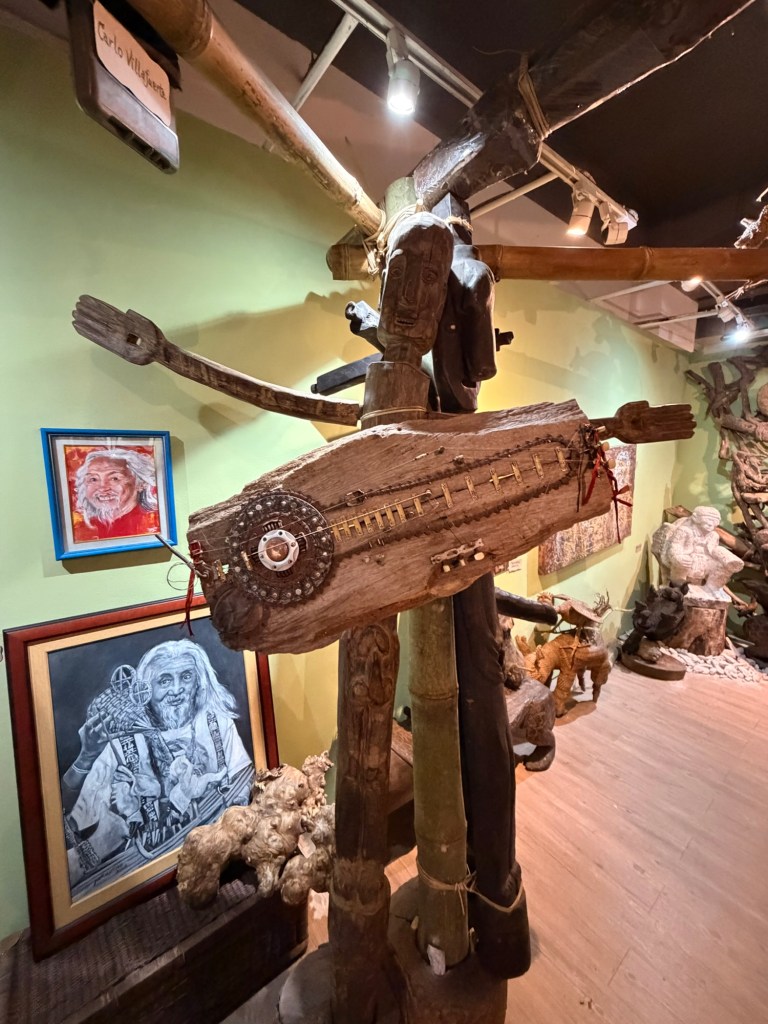
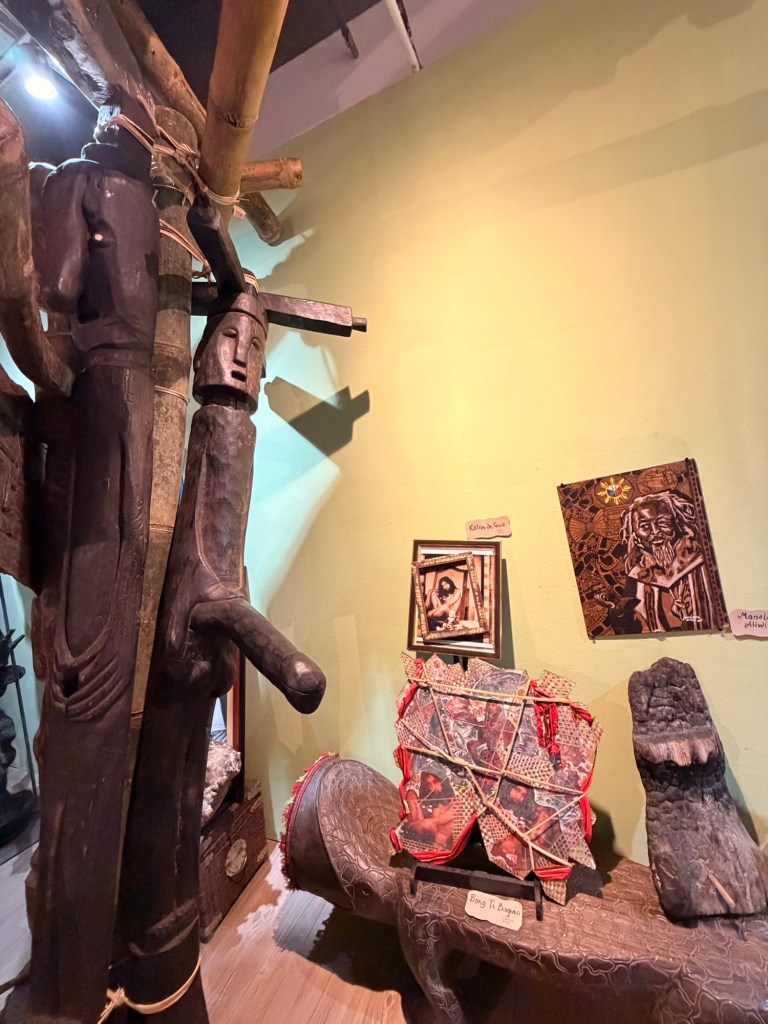
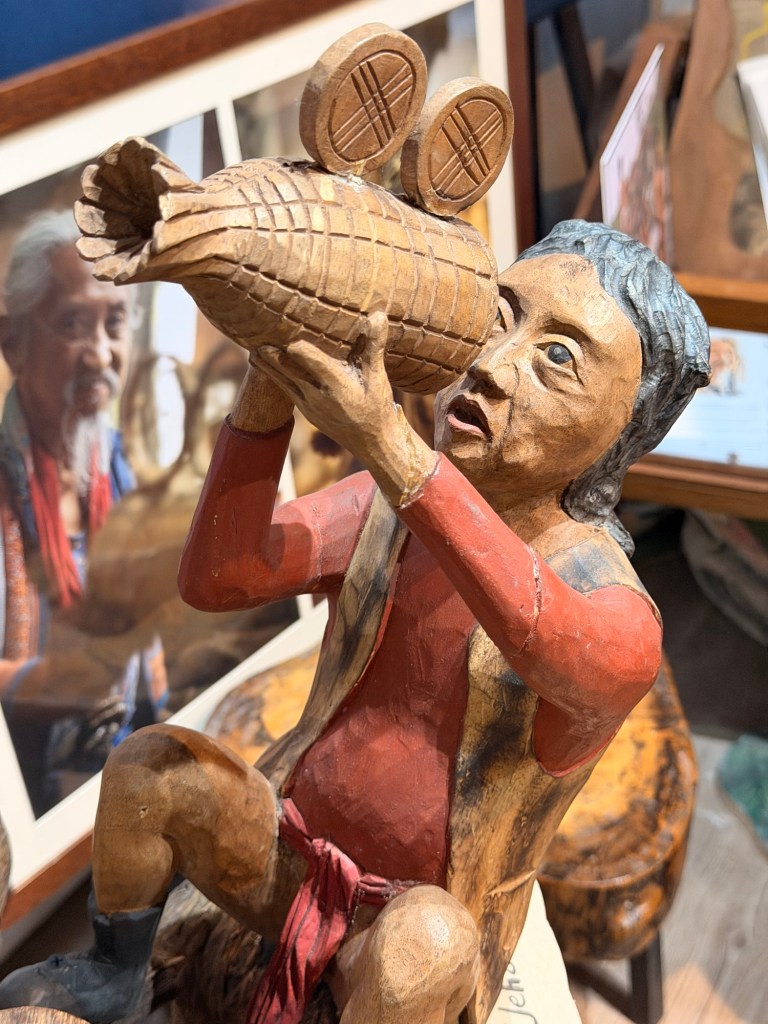
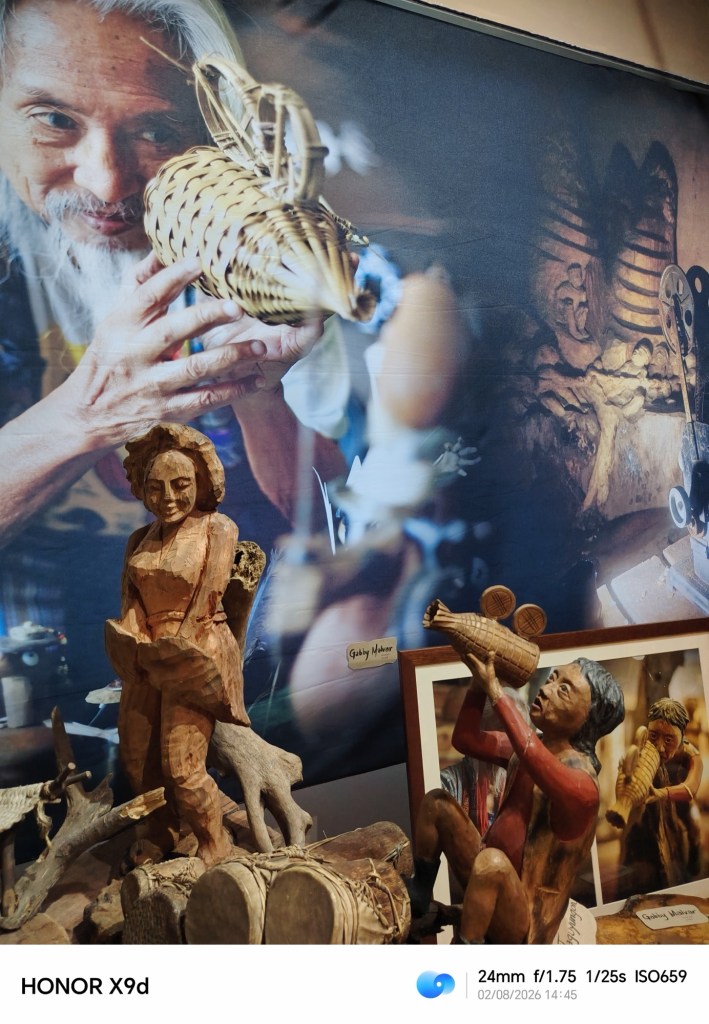
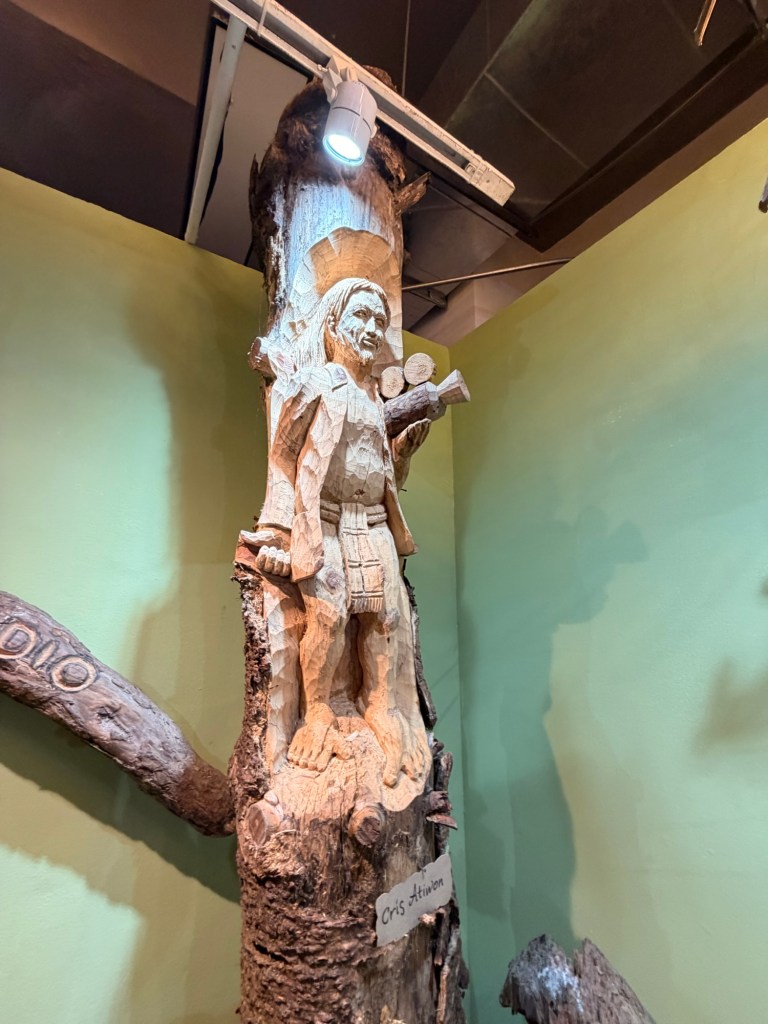
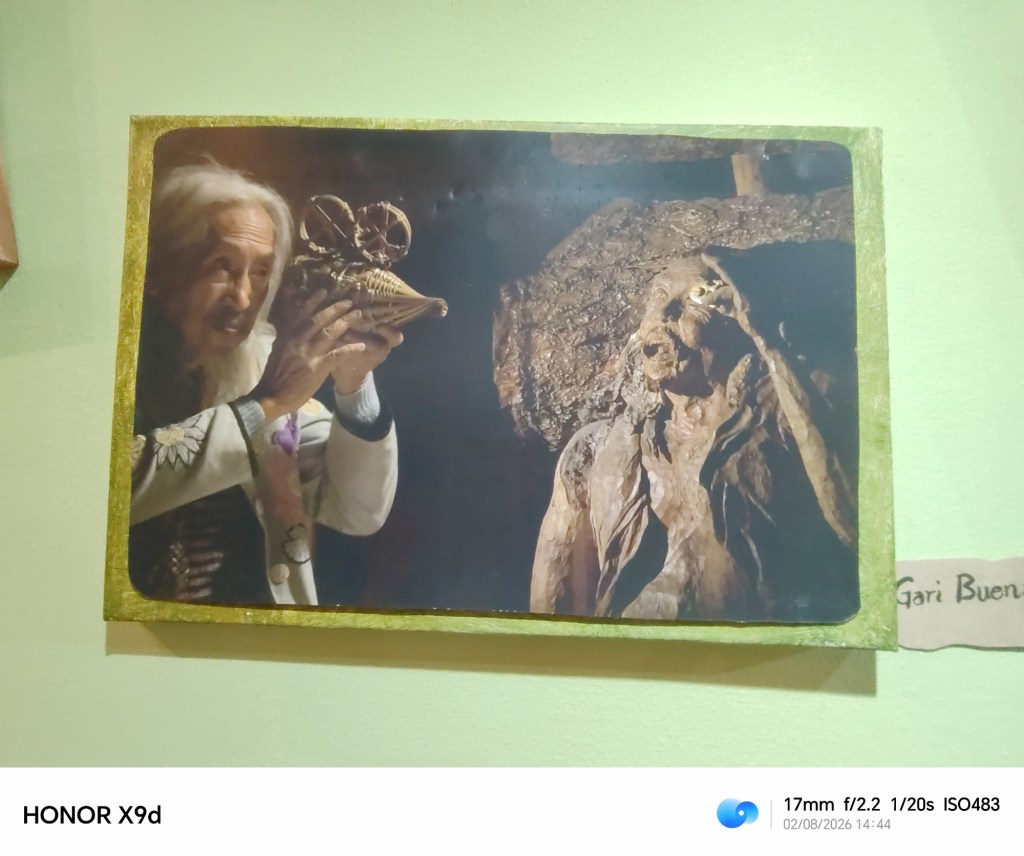
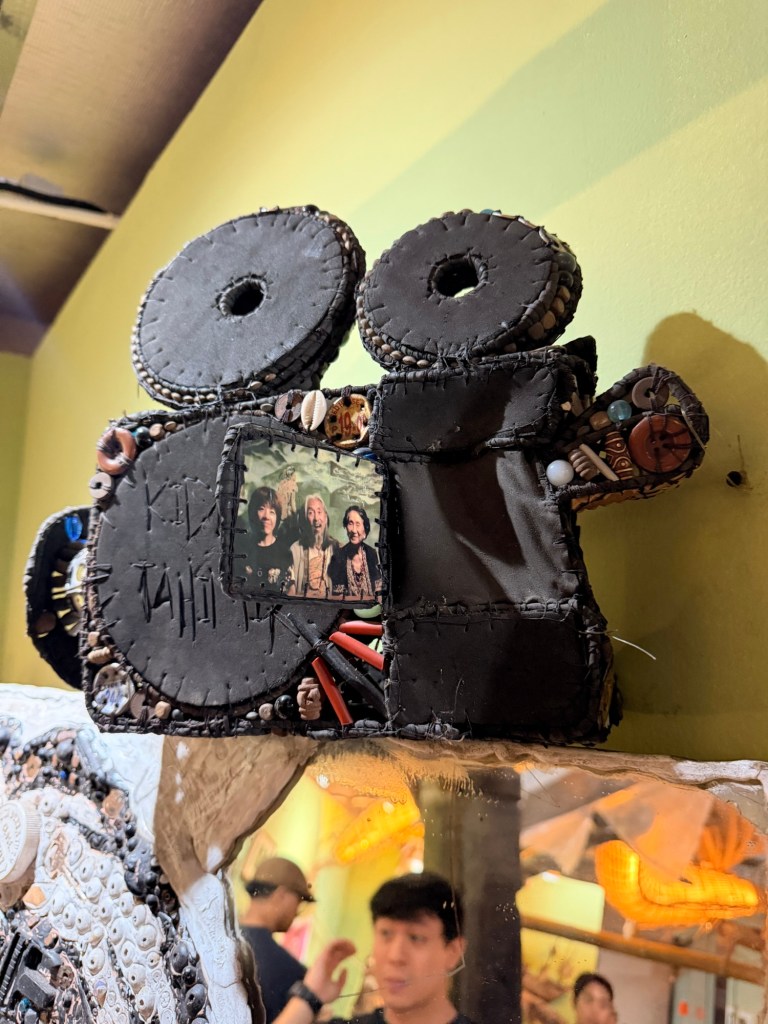

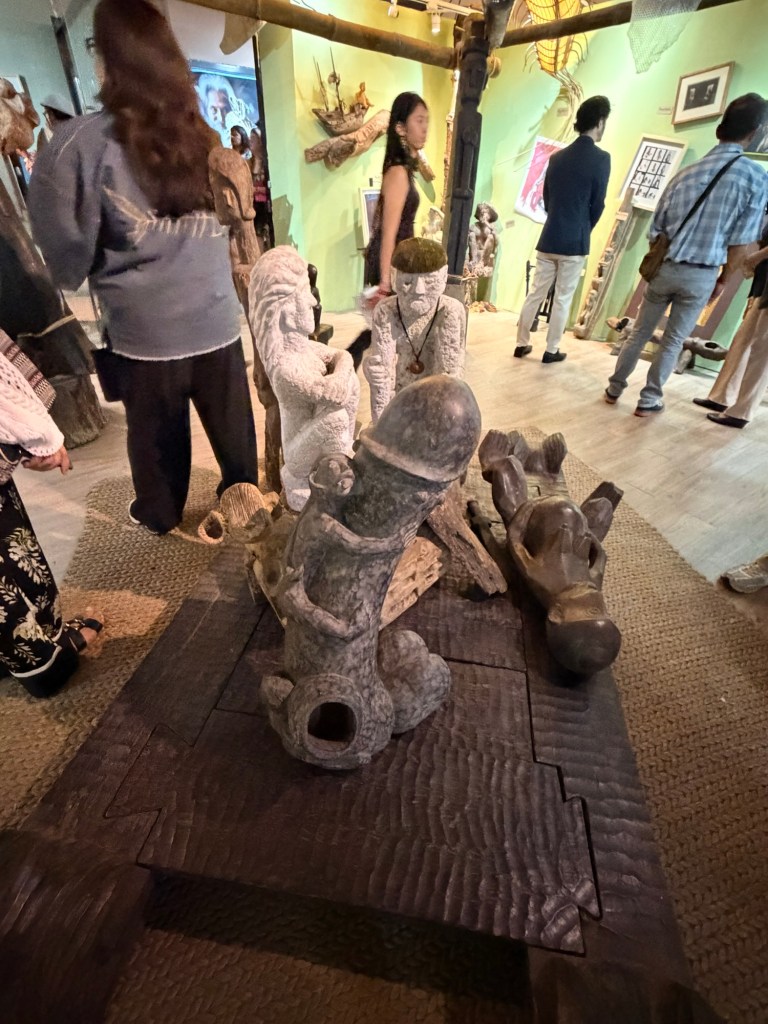
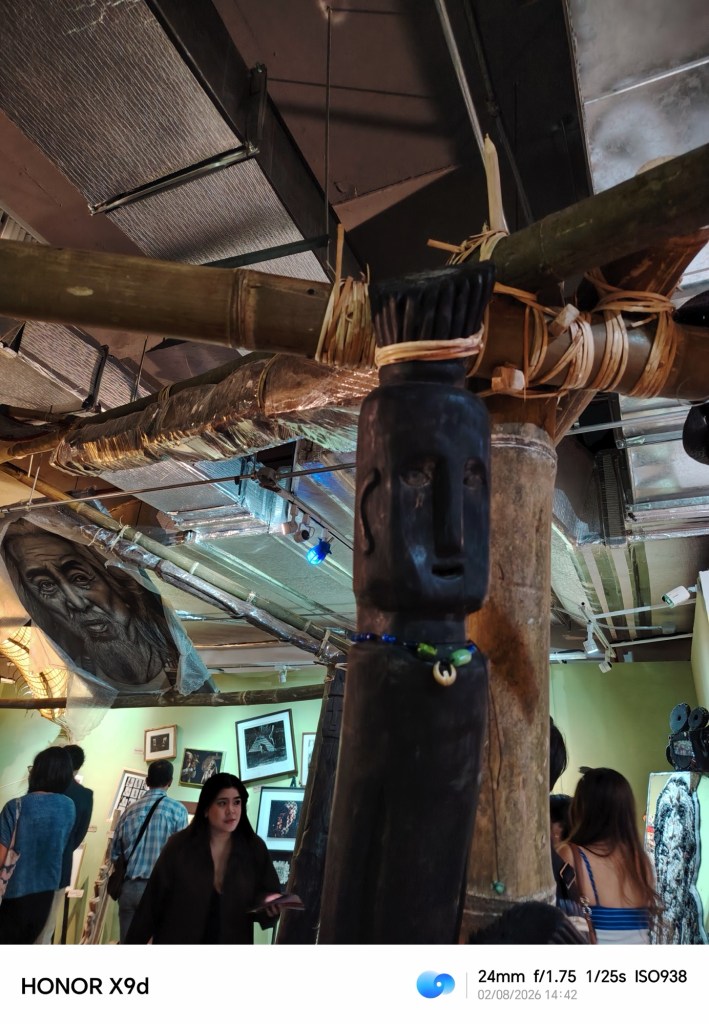
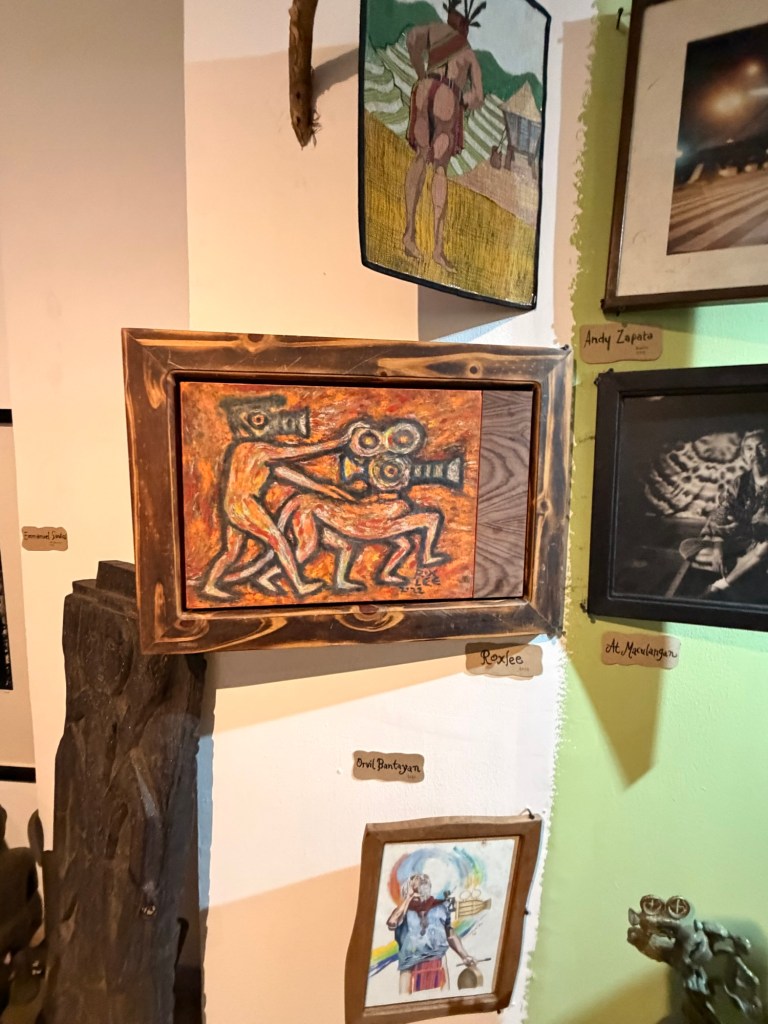
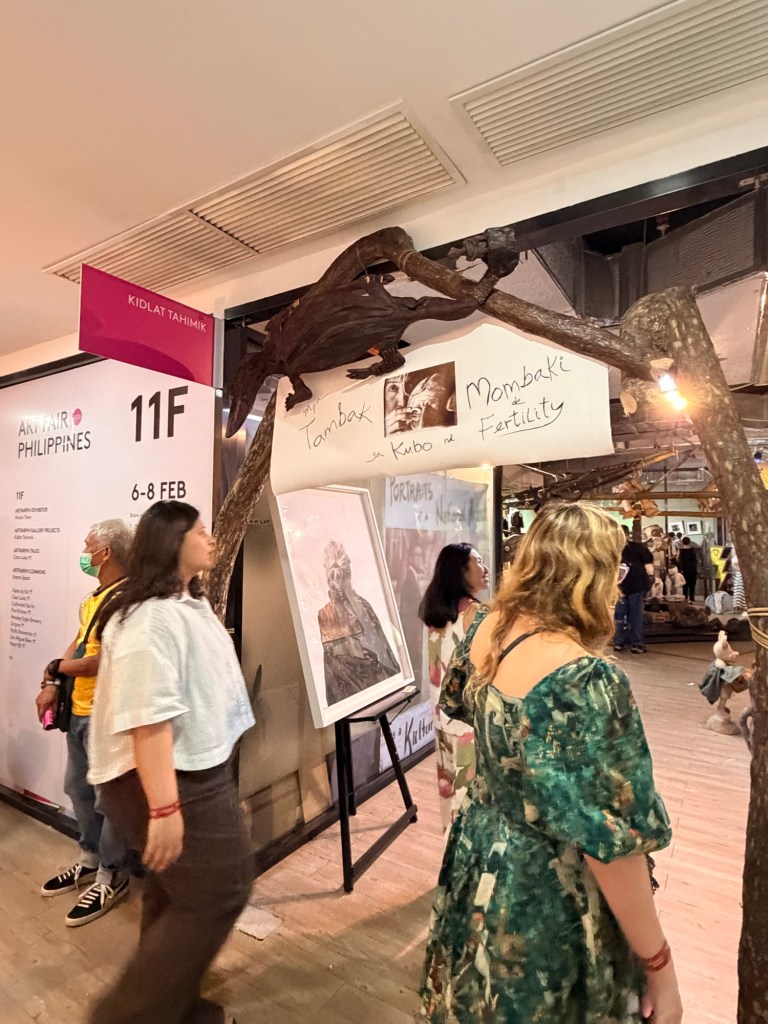
You could start on one floor with abstract canvases and end up two elevators later inside video installations and sculptural work. By the time you reached the upper levels, the noise of Makati traffic felt very far away. The building stopped being an office structure and became what it was meant to be for those three days, a temporary city for art.
And maybe that’s the real magic of Art Fair Philippines. It doesn’t feel like a formal exhibition. It feels like wandering into the collective imagination of Filipino artists.
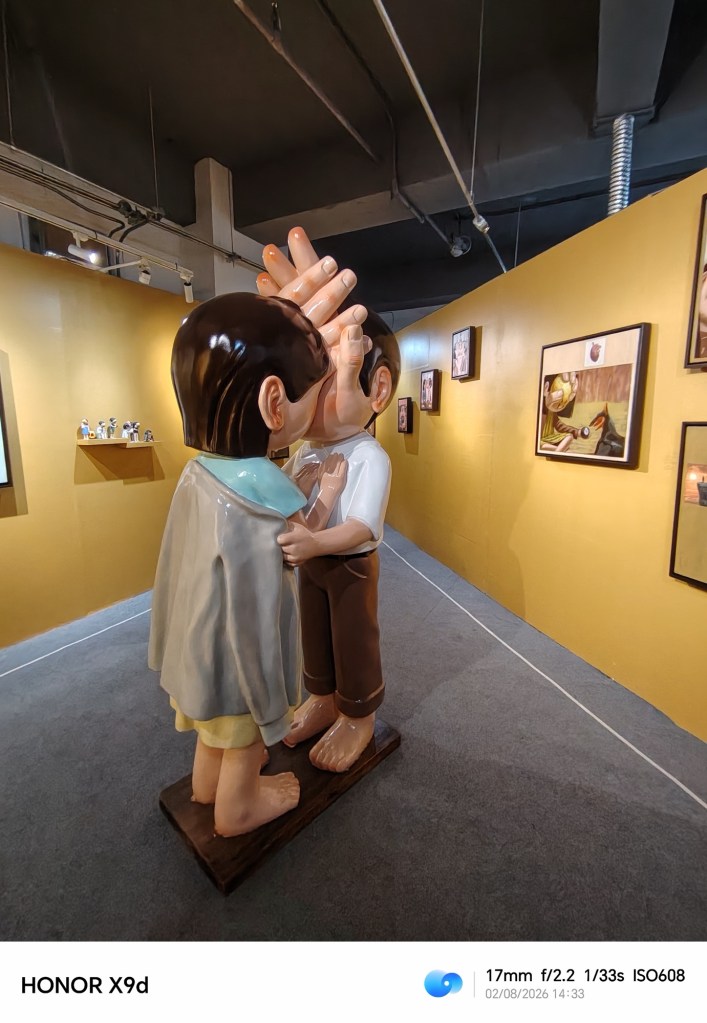
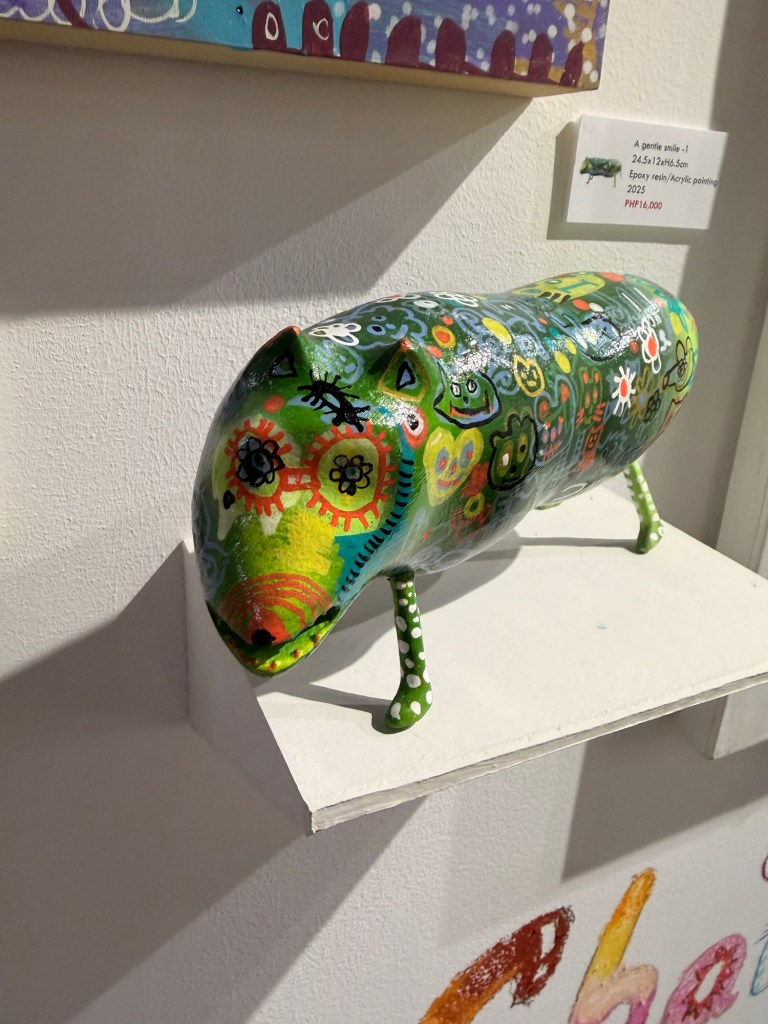
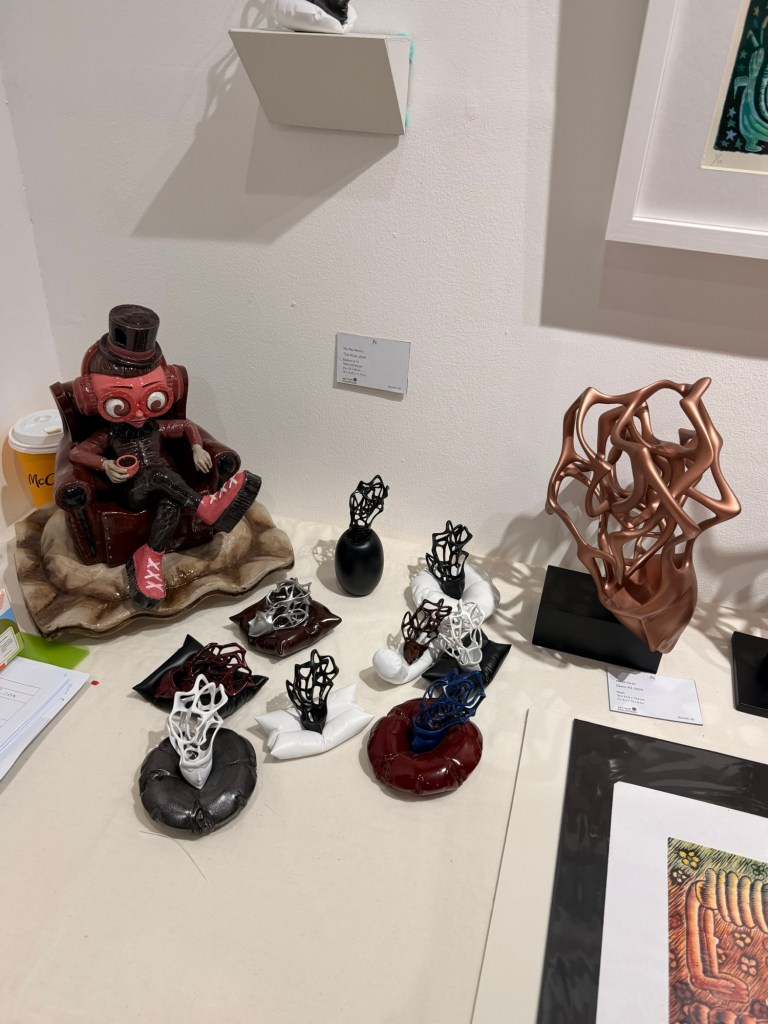
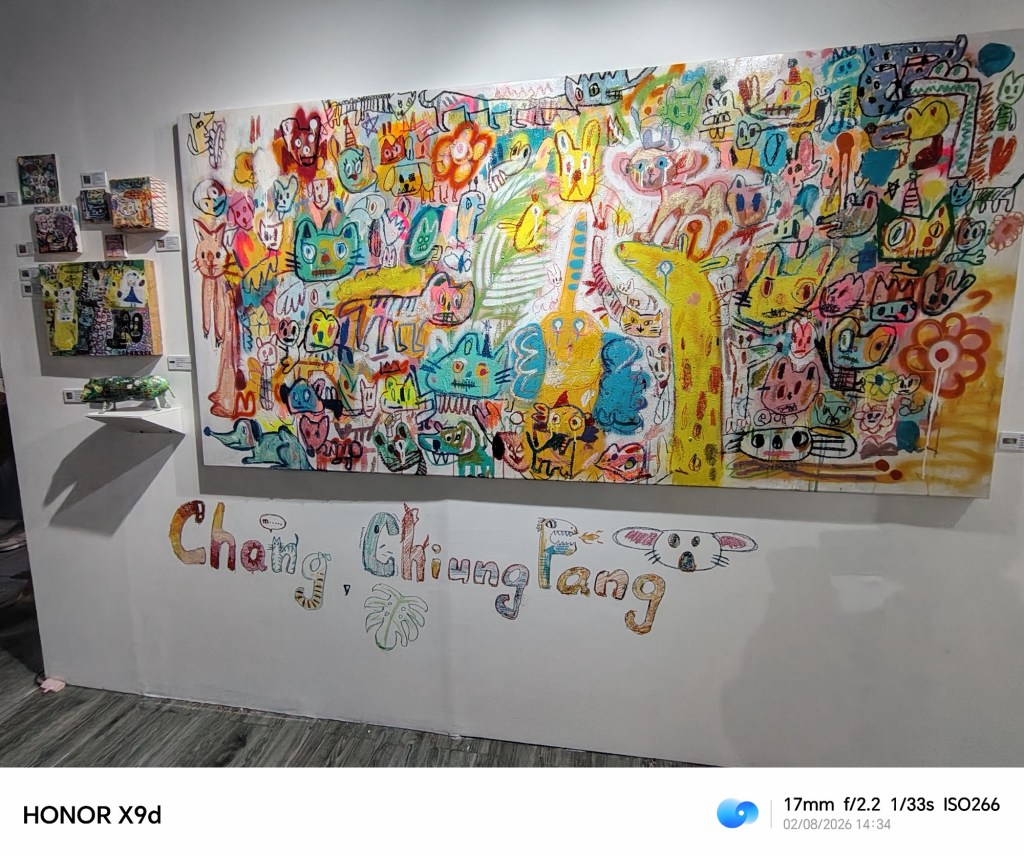
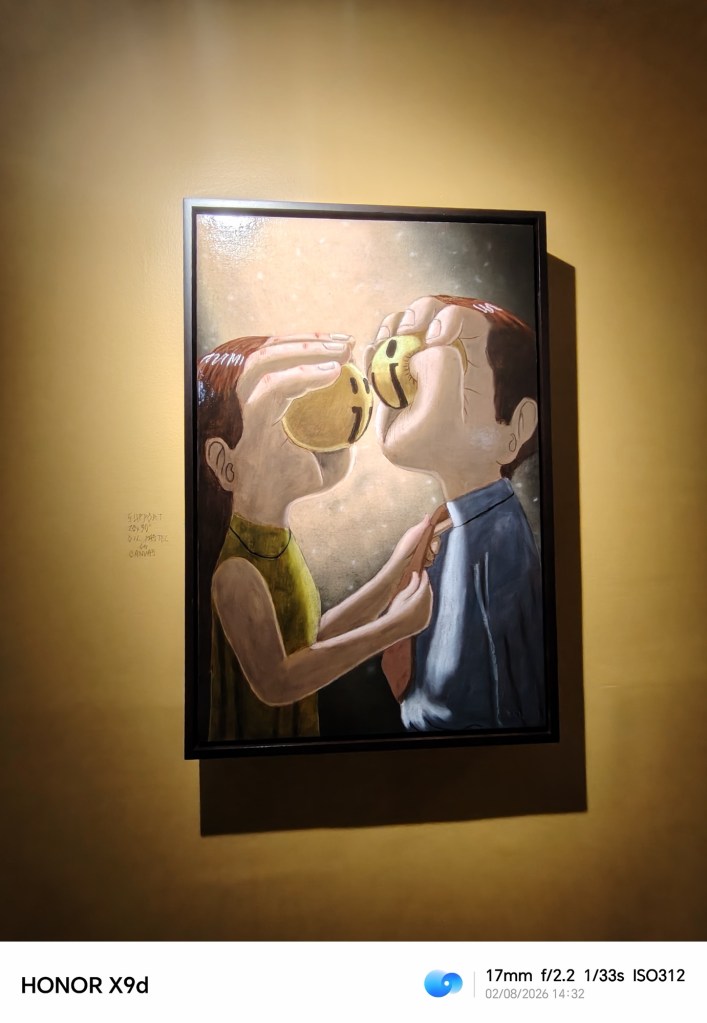
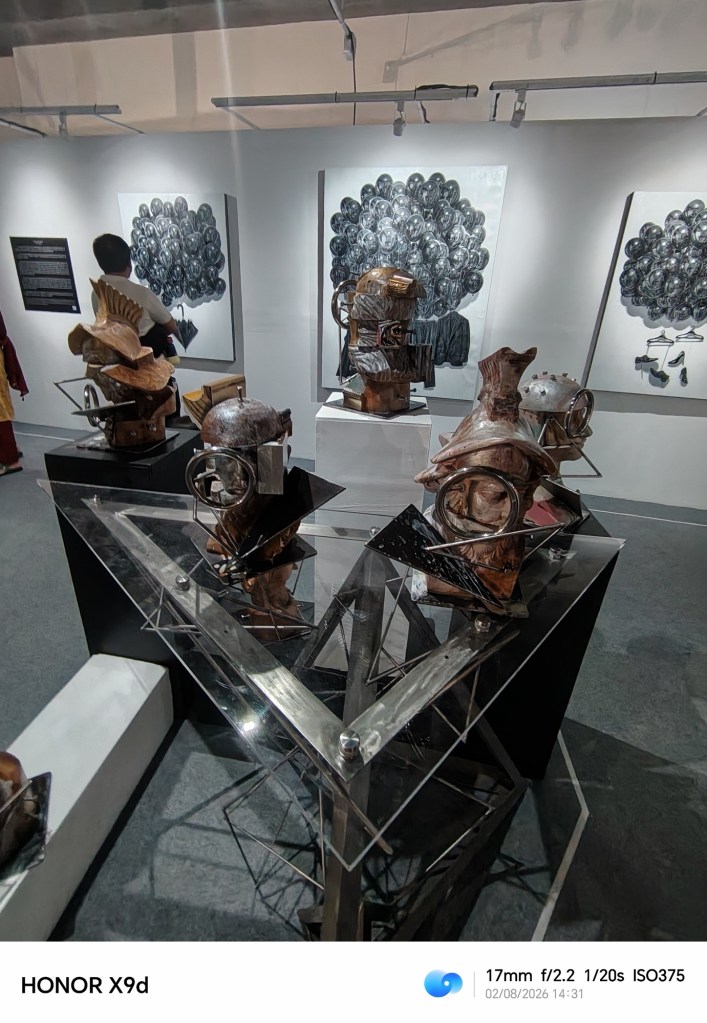
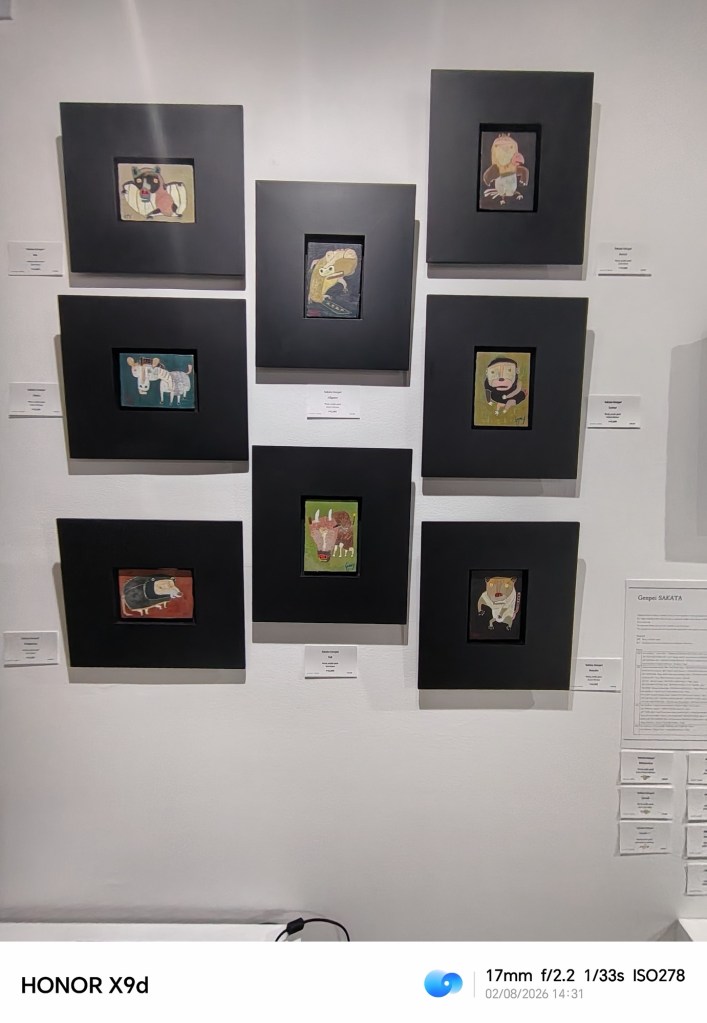
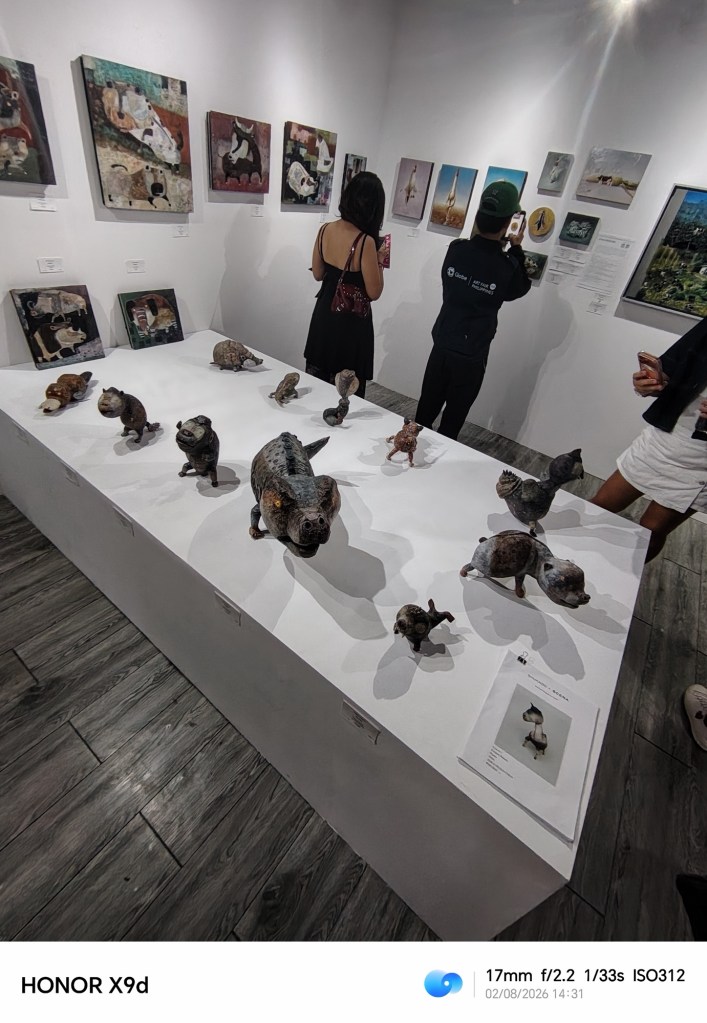
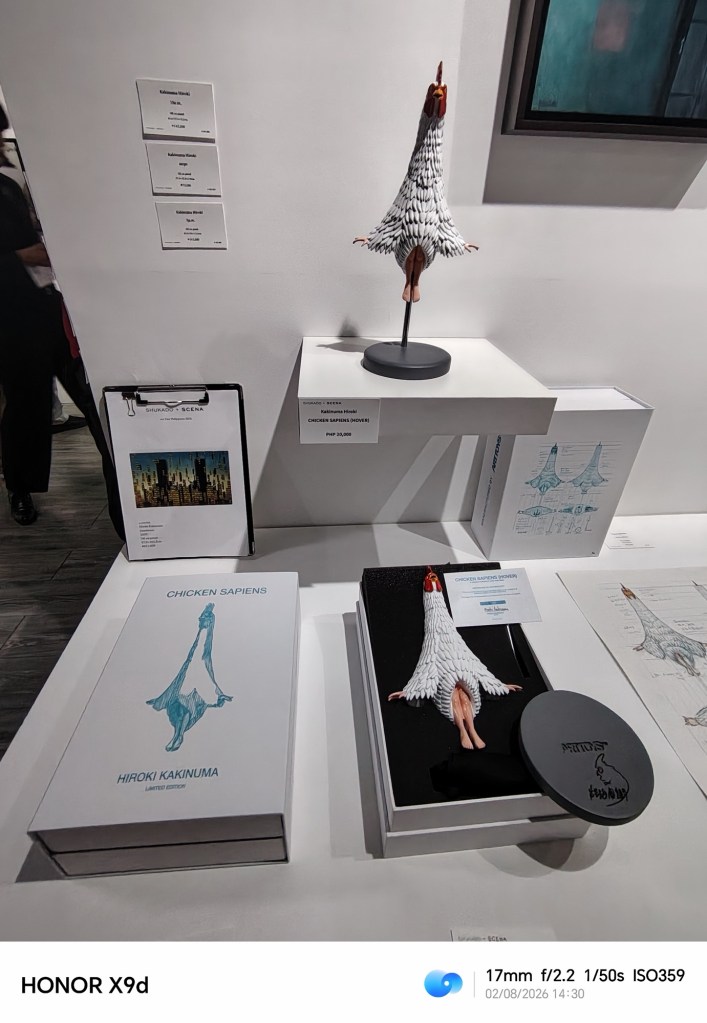
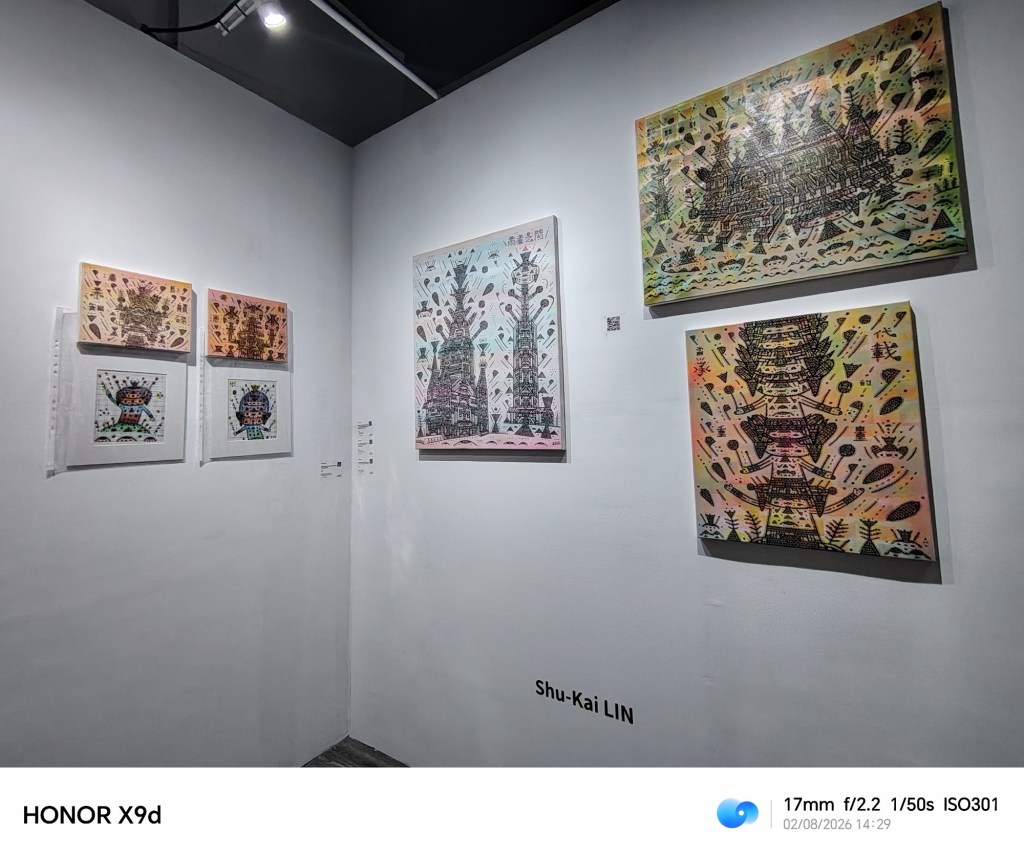
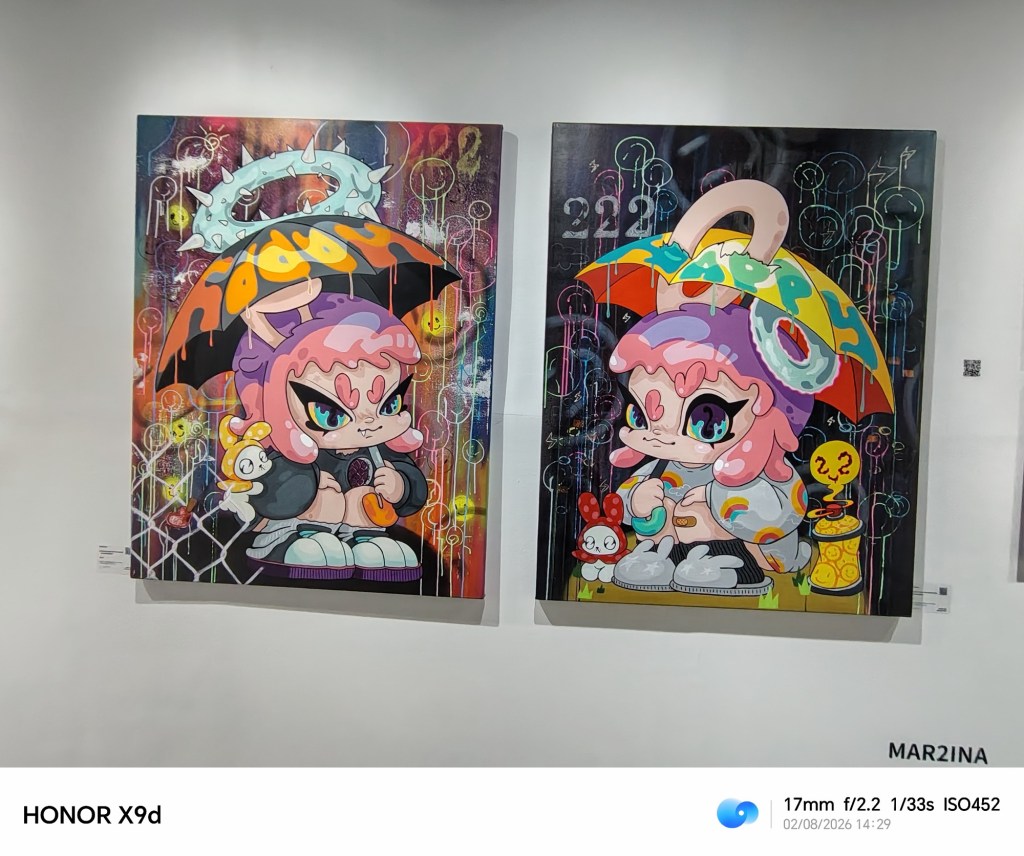
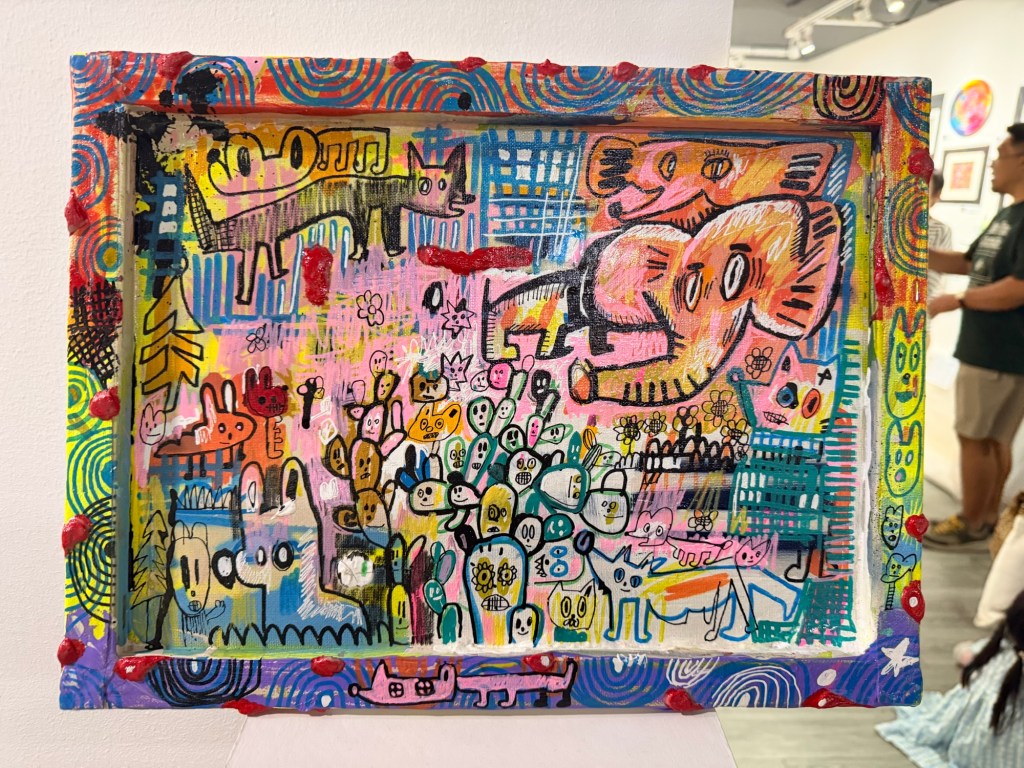
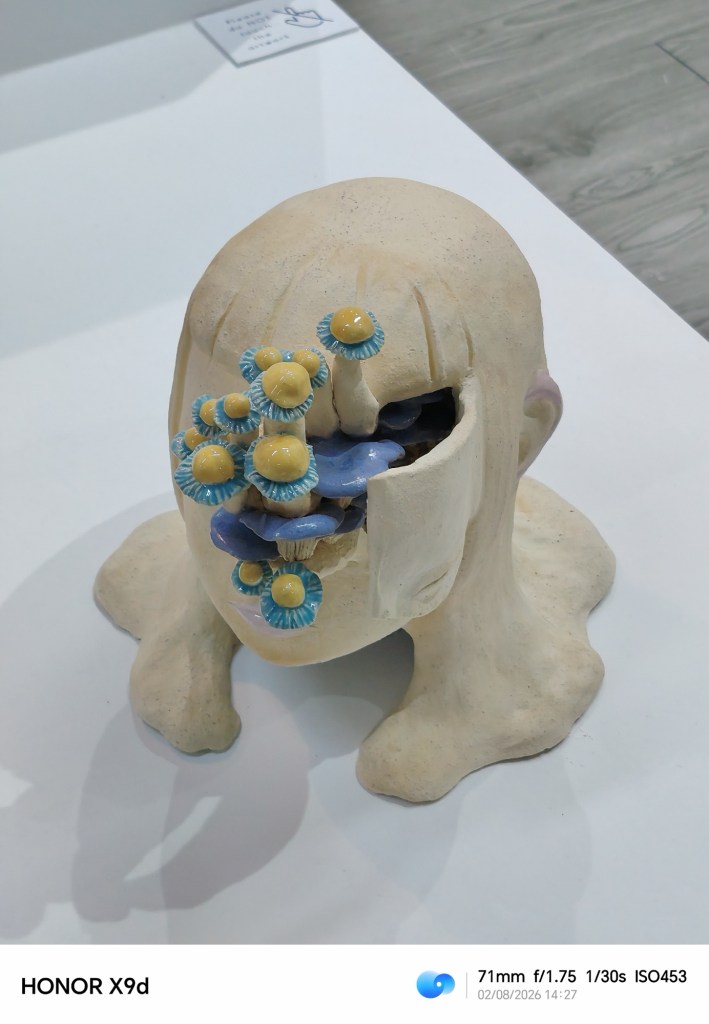
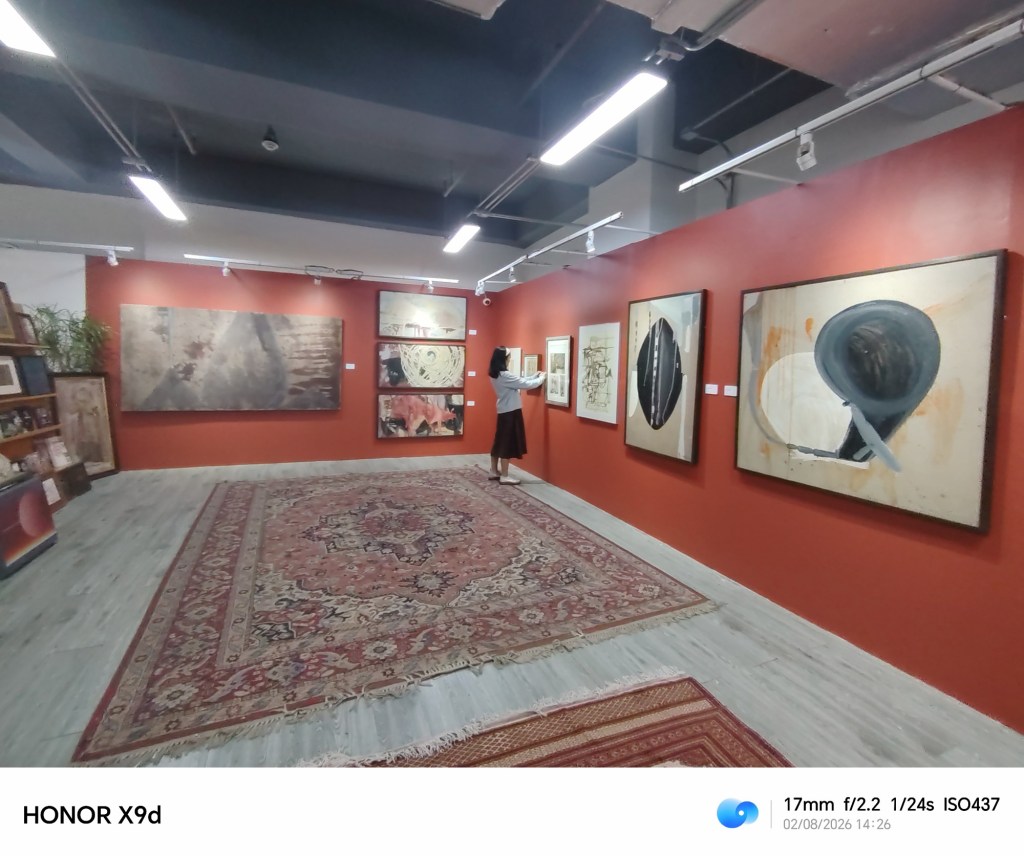
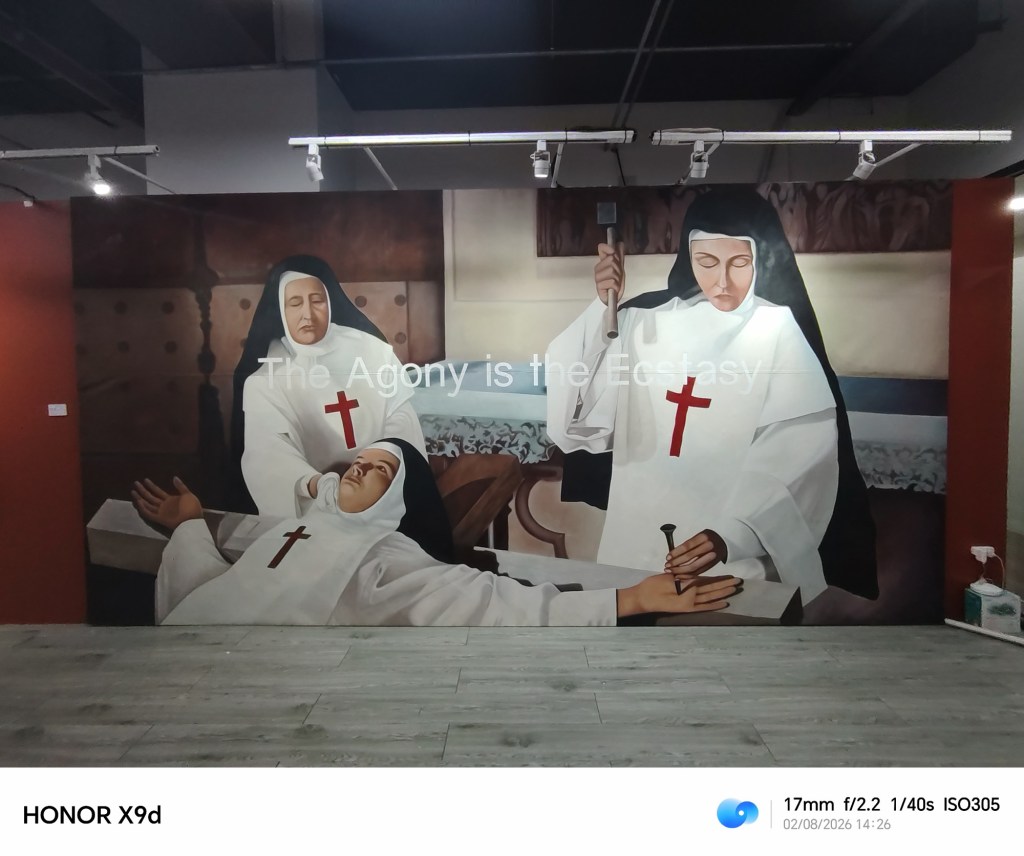
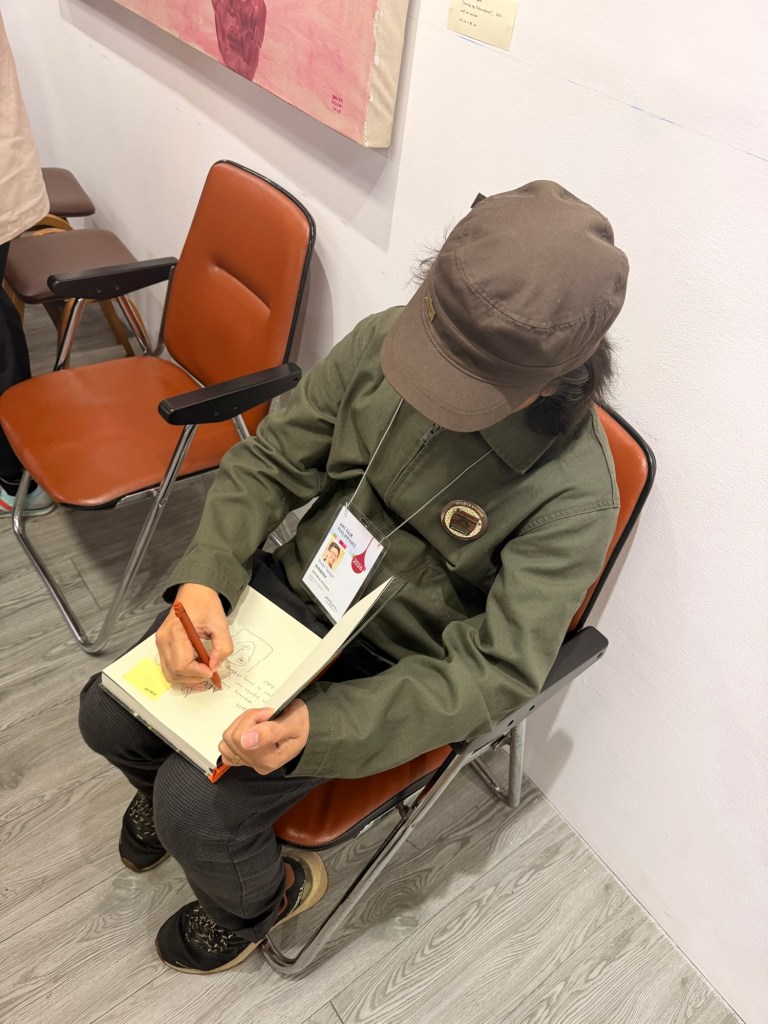
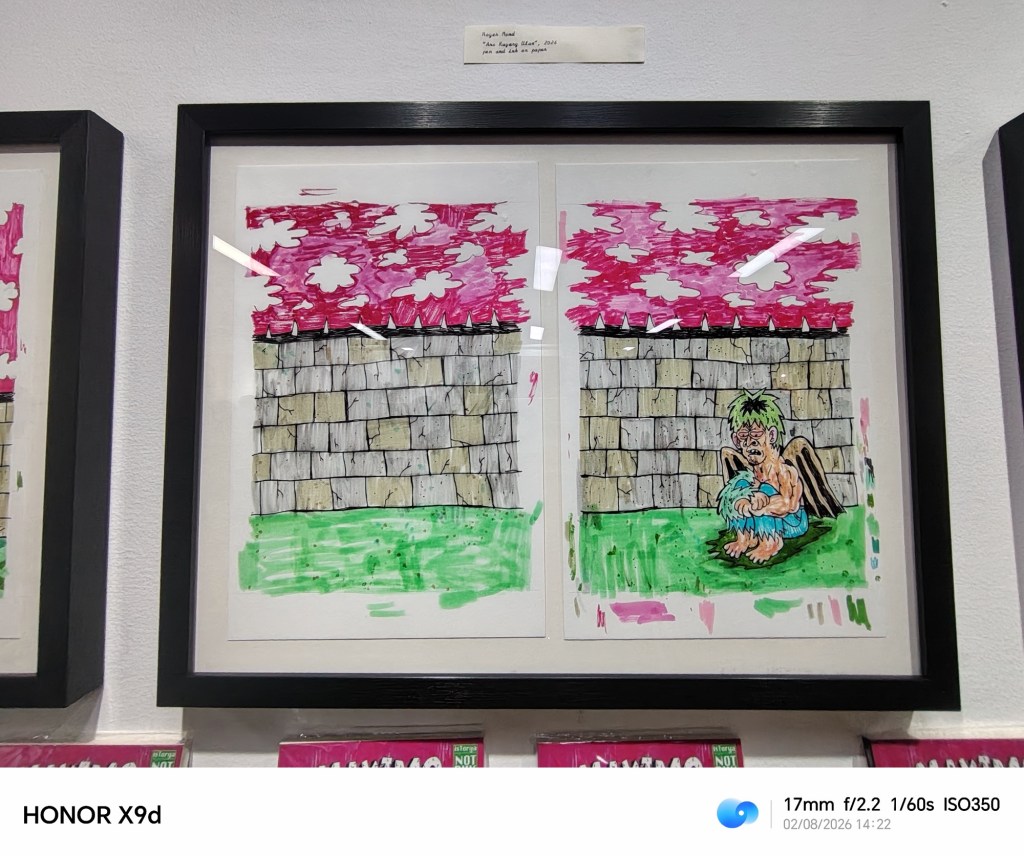
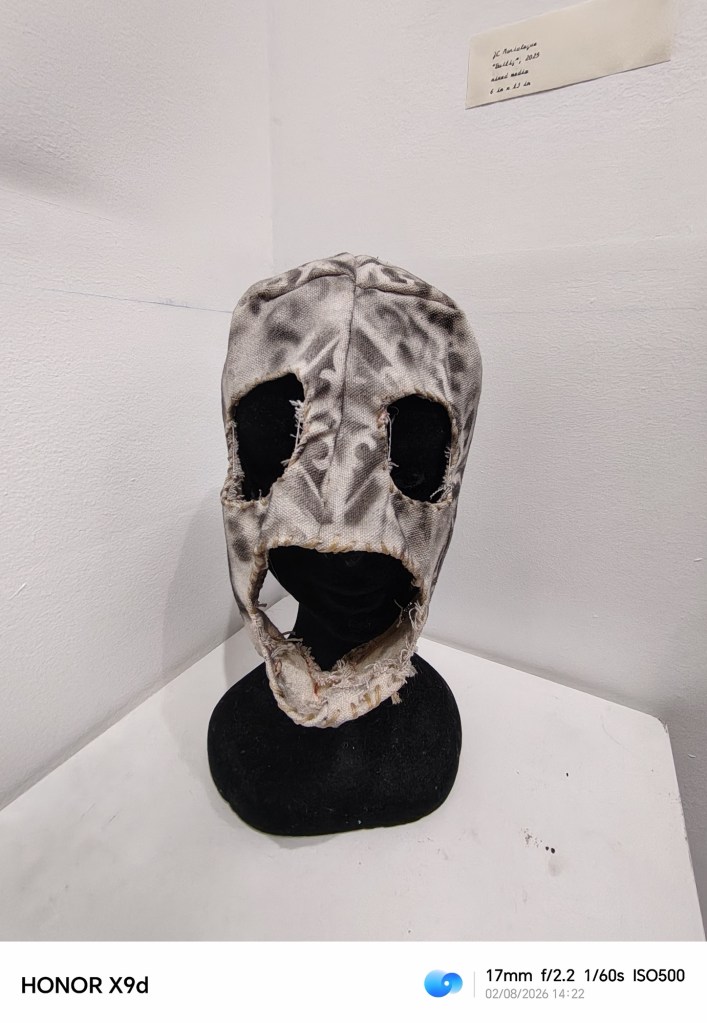
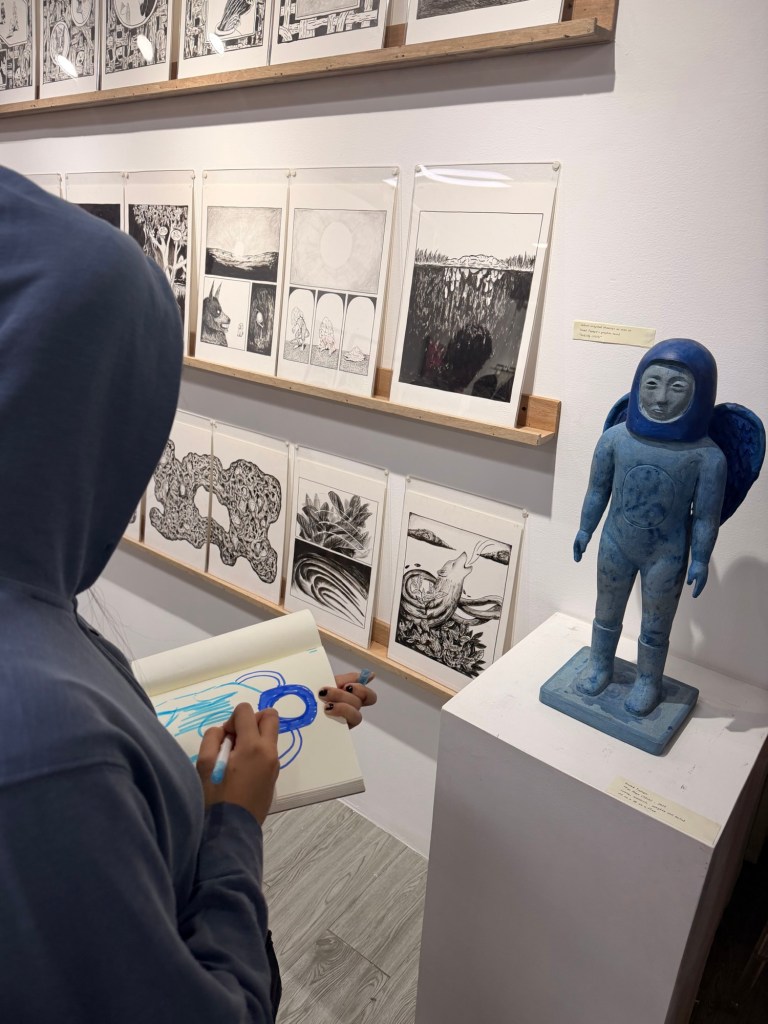
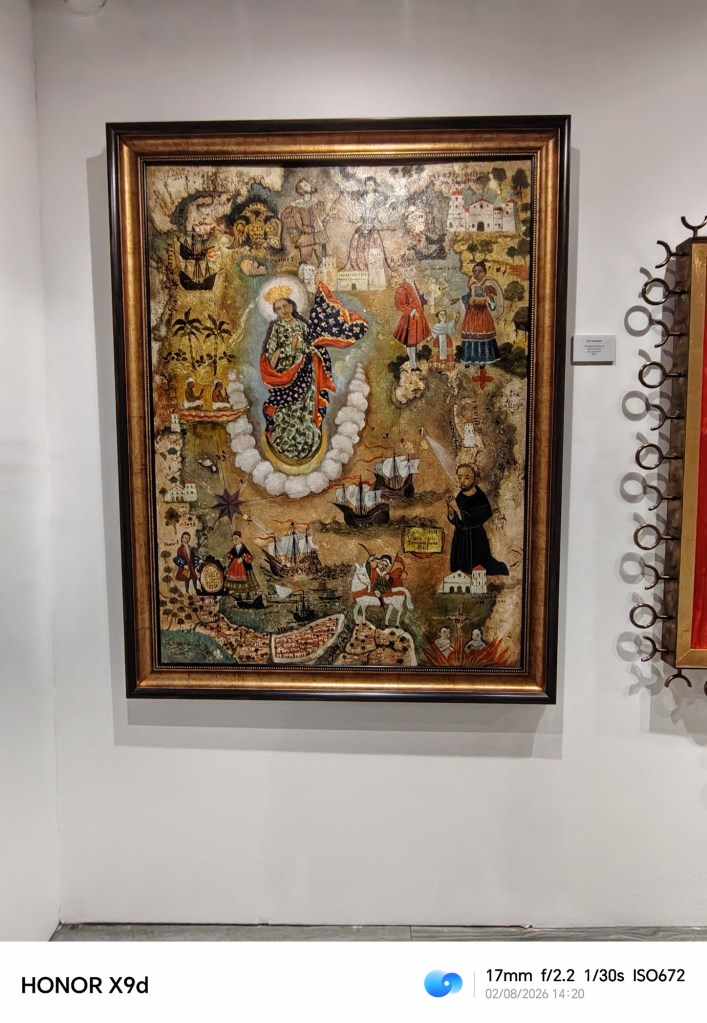
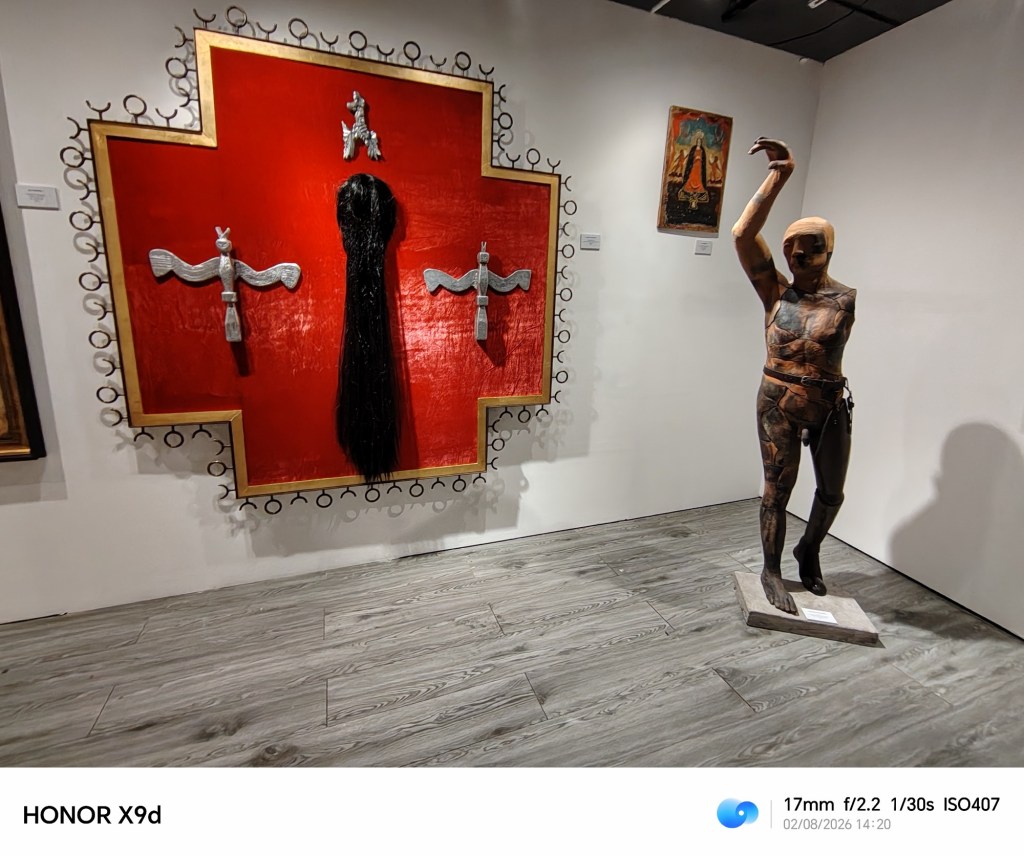
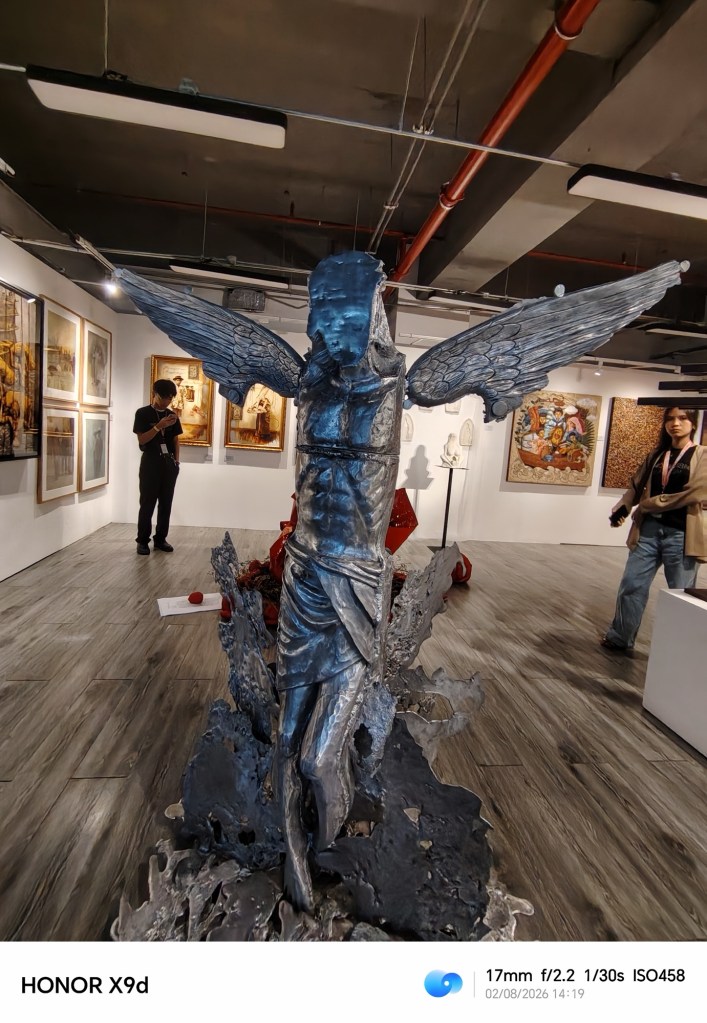
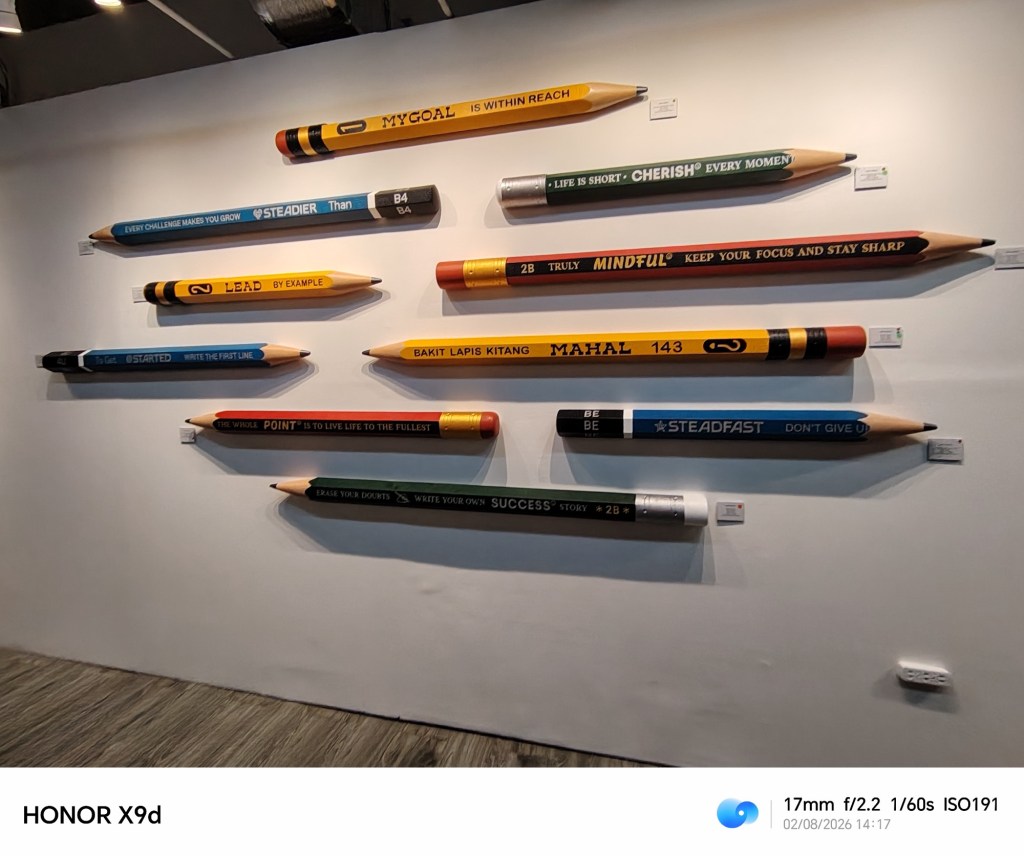
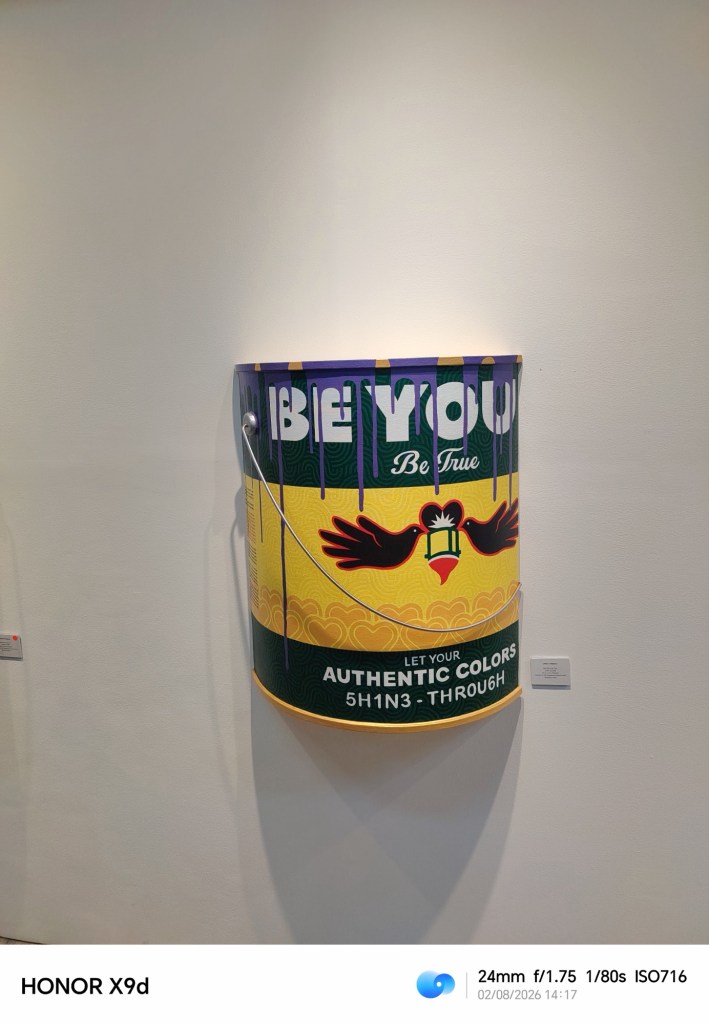
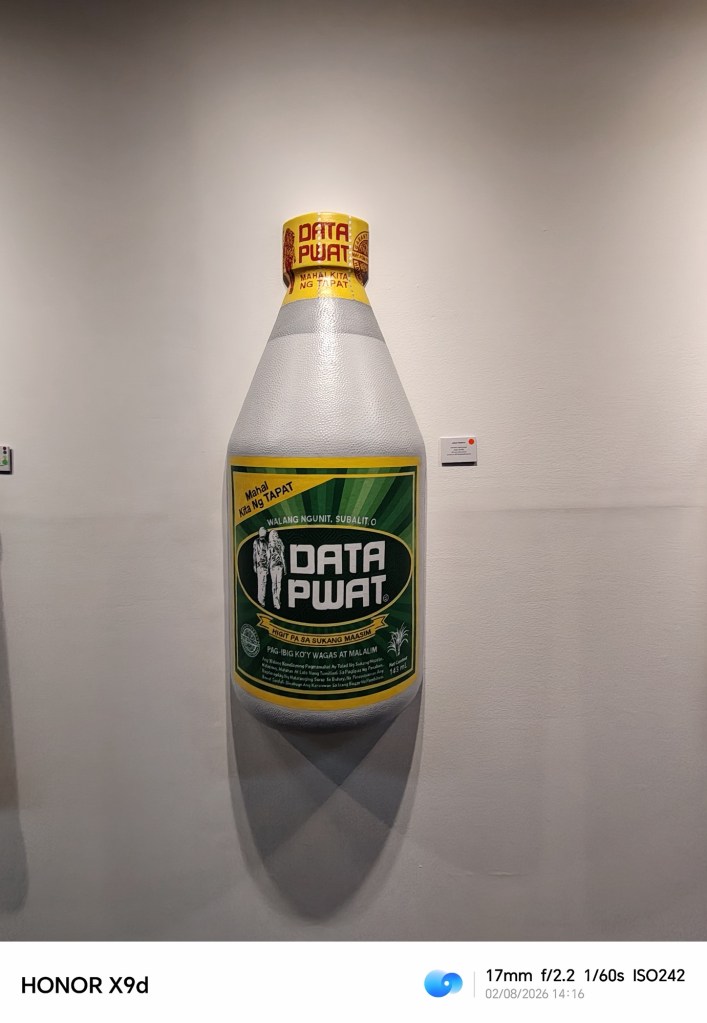
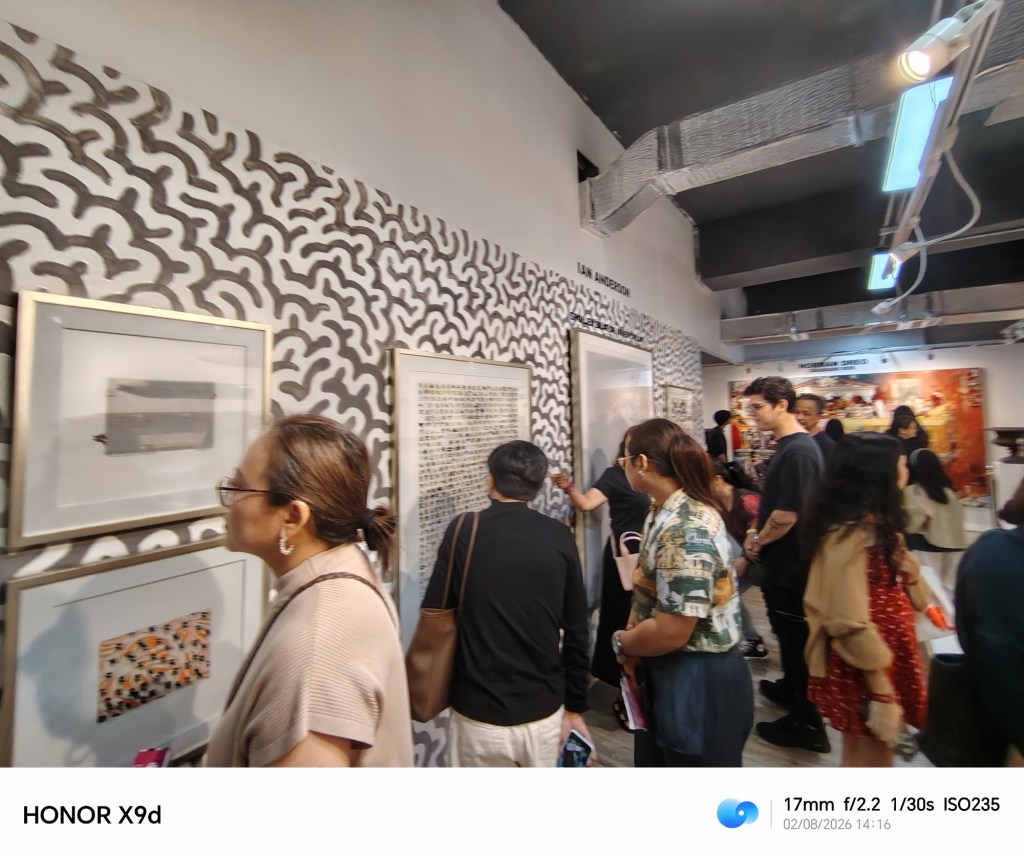
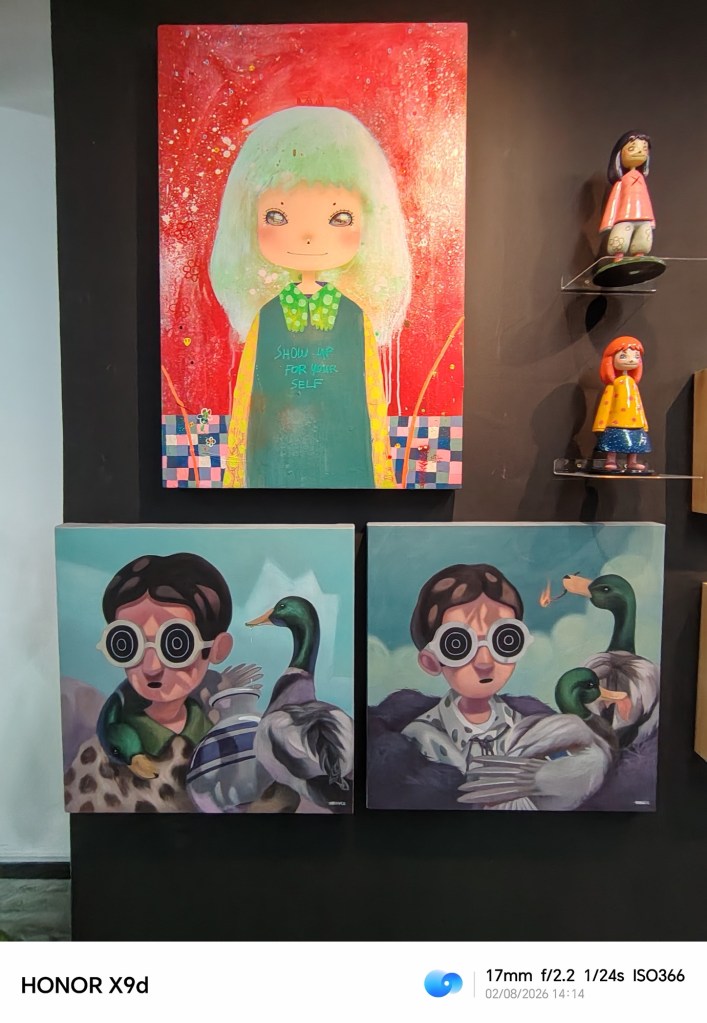
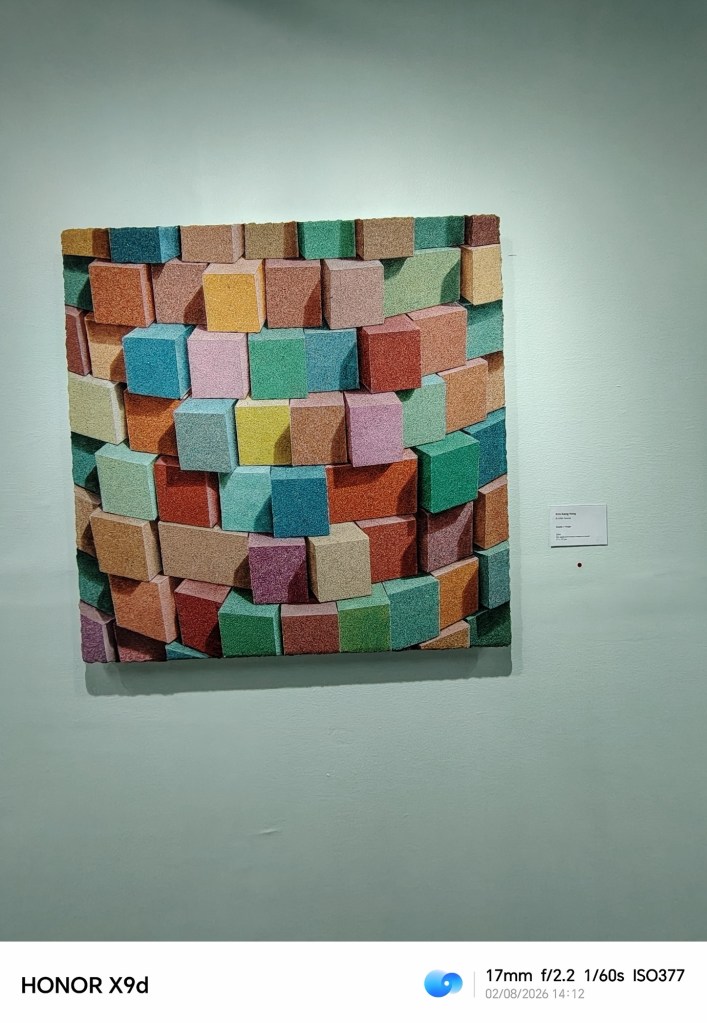
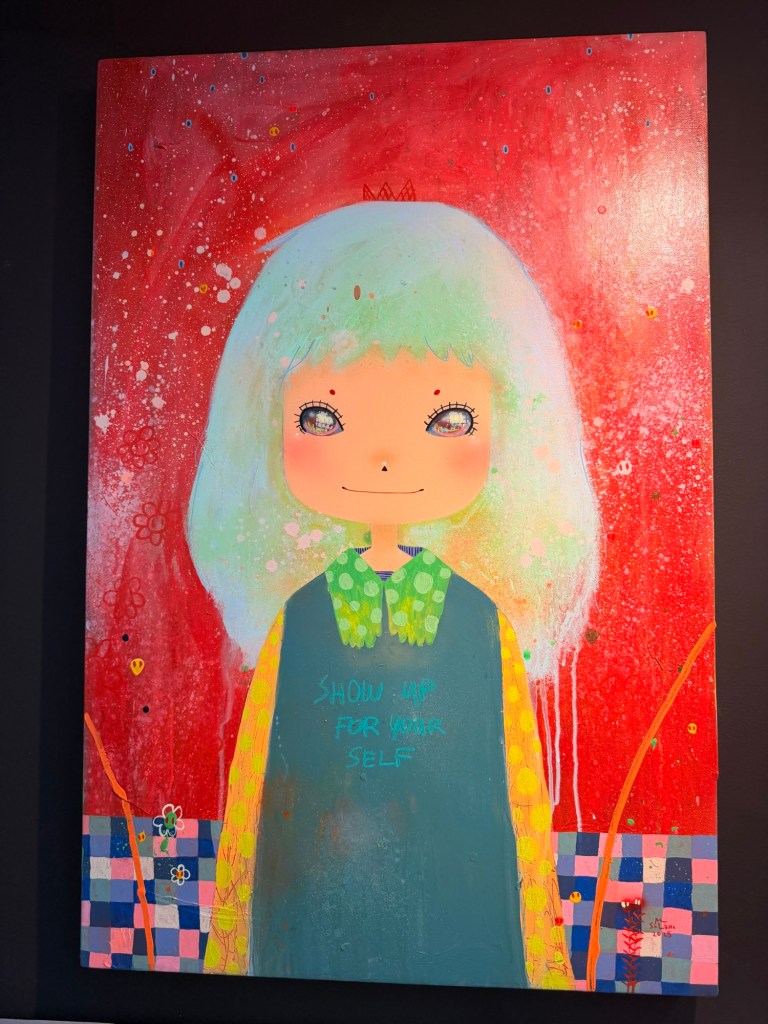
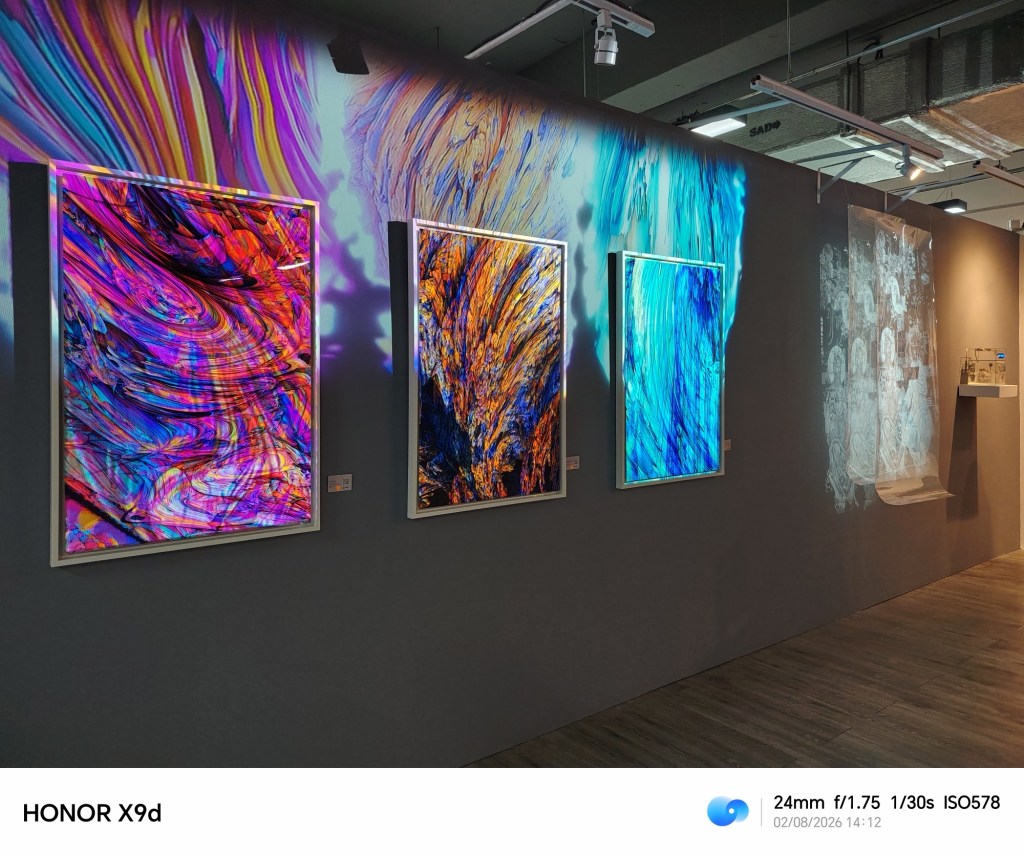
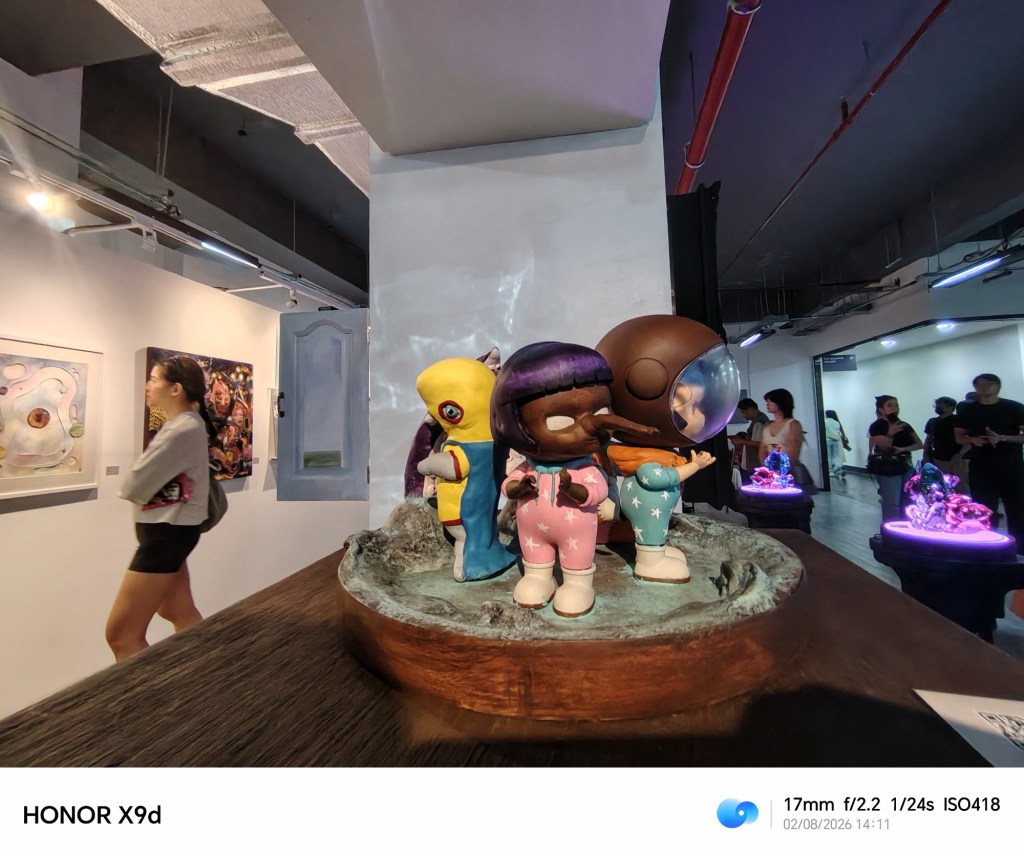
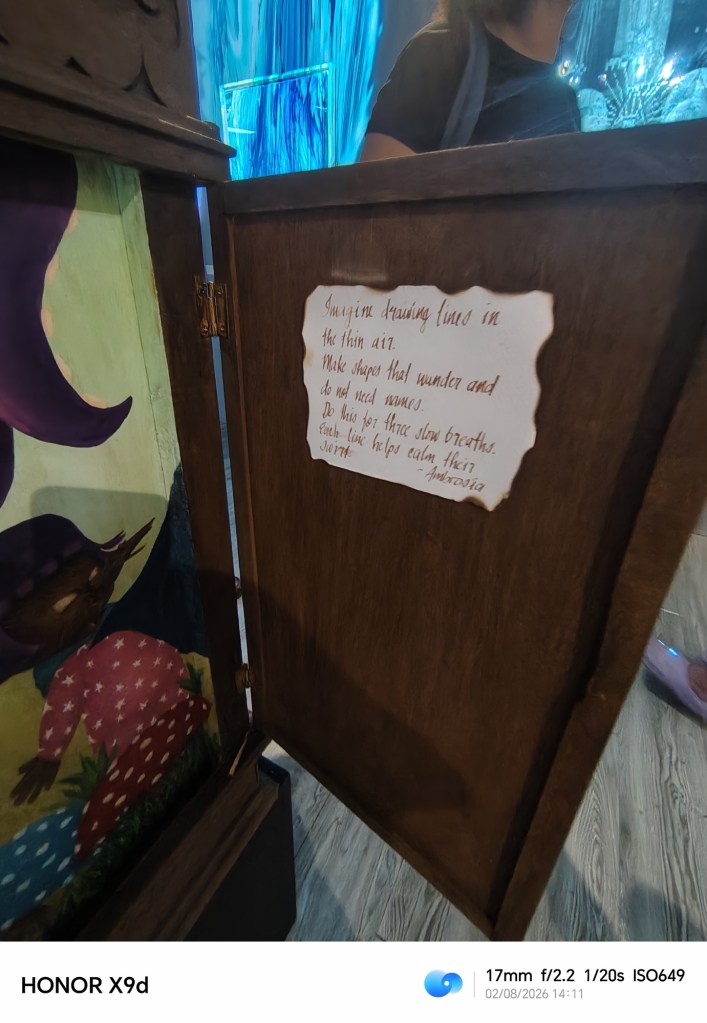
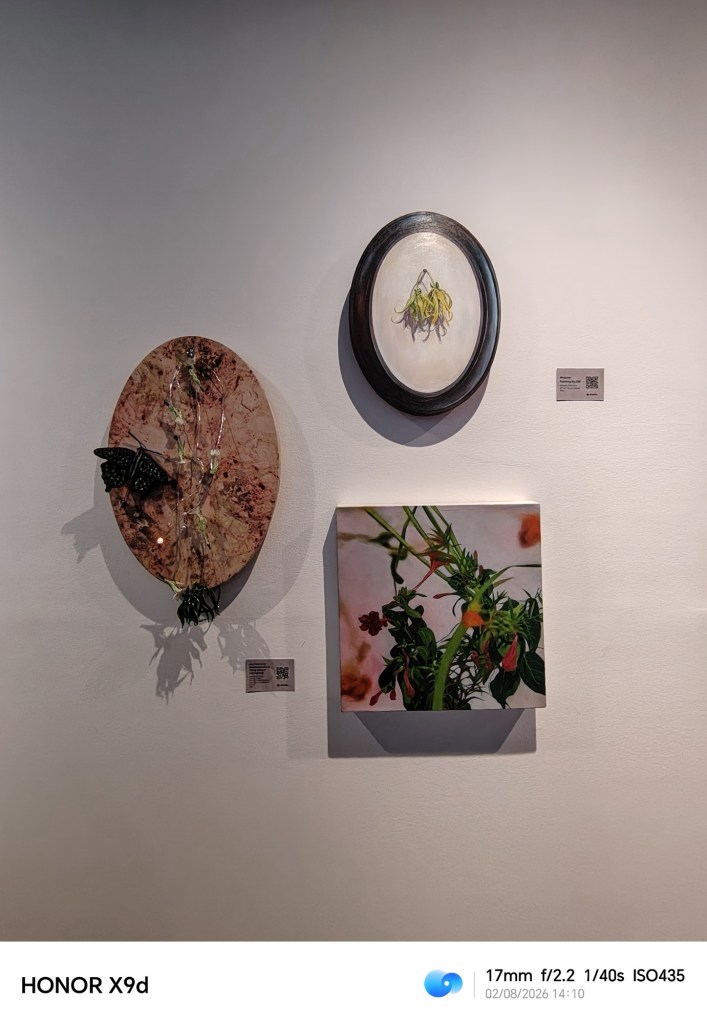
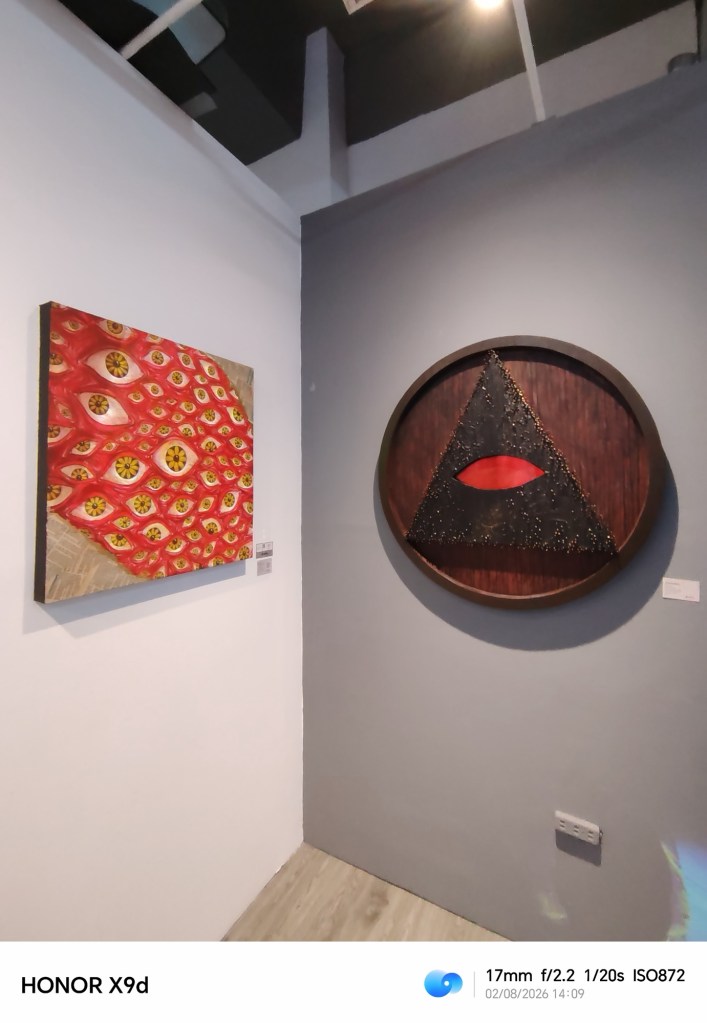

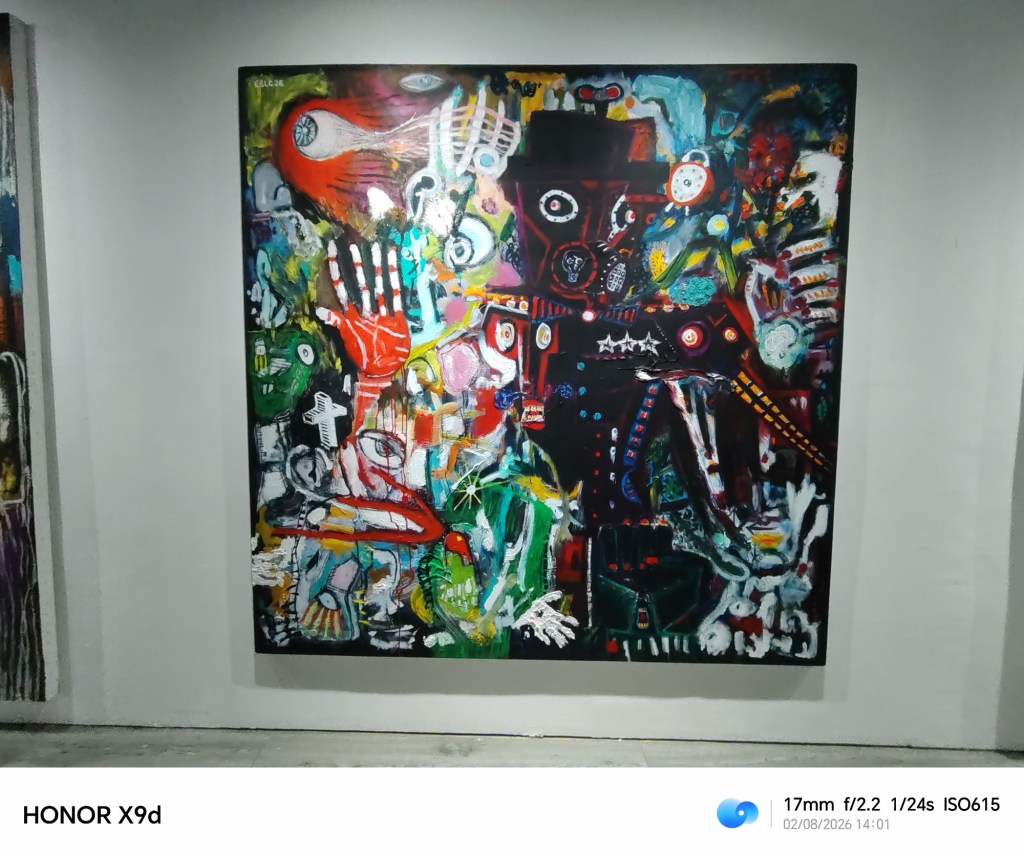
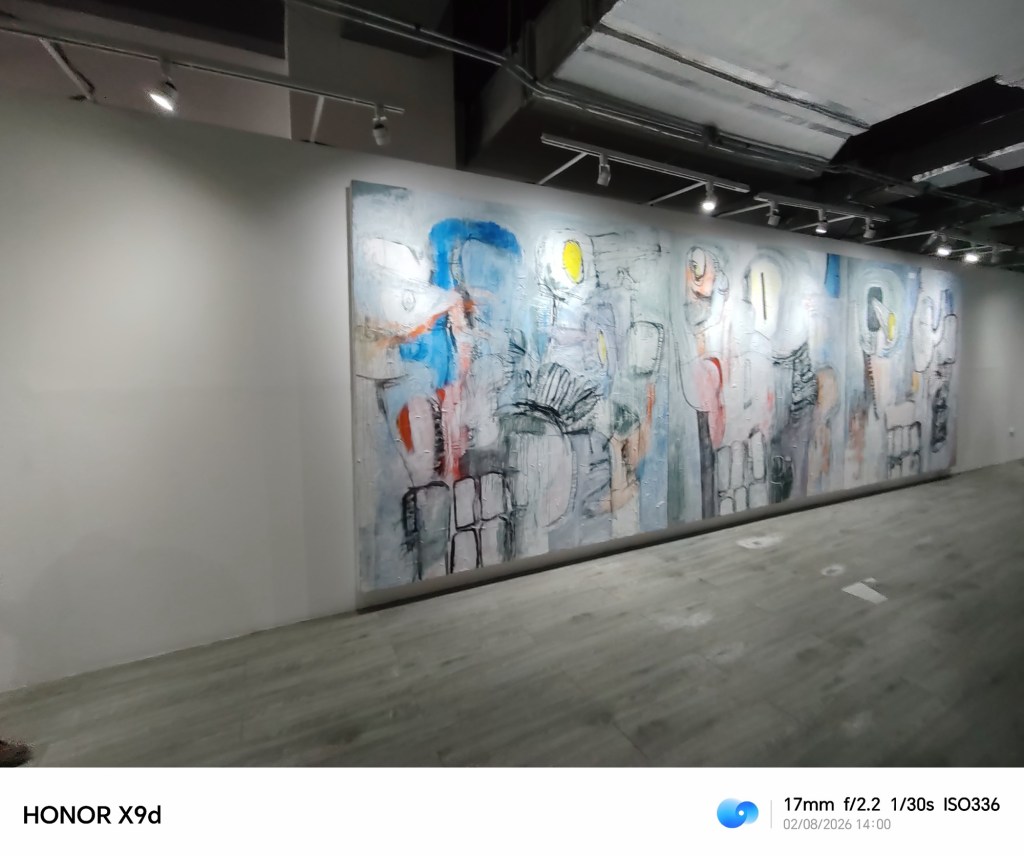
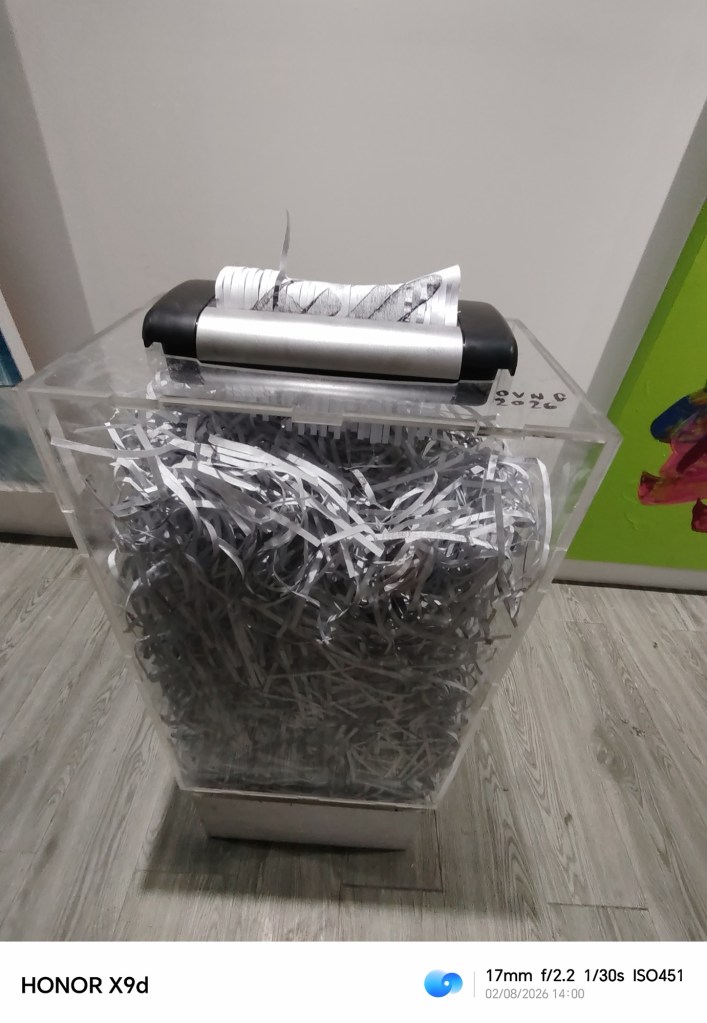
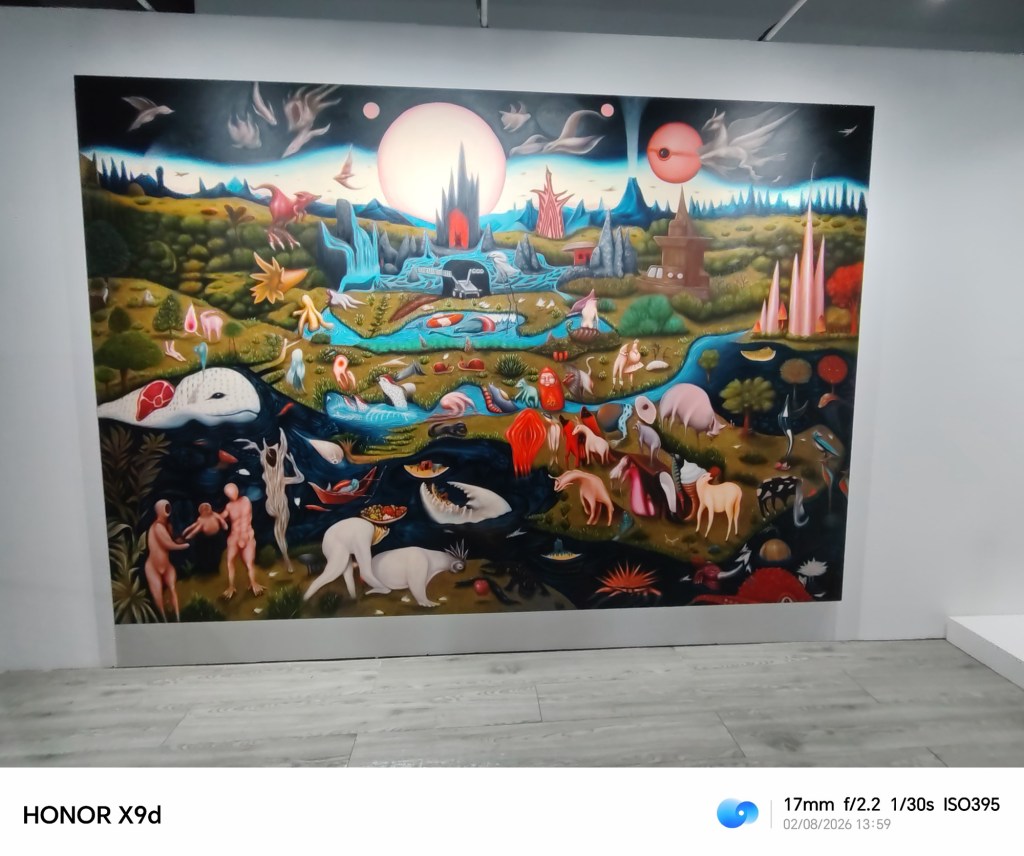
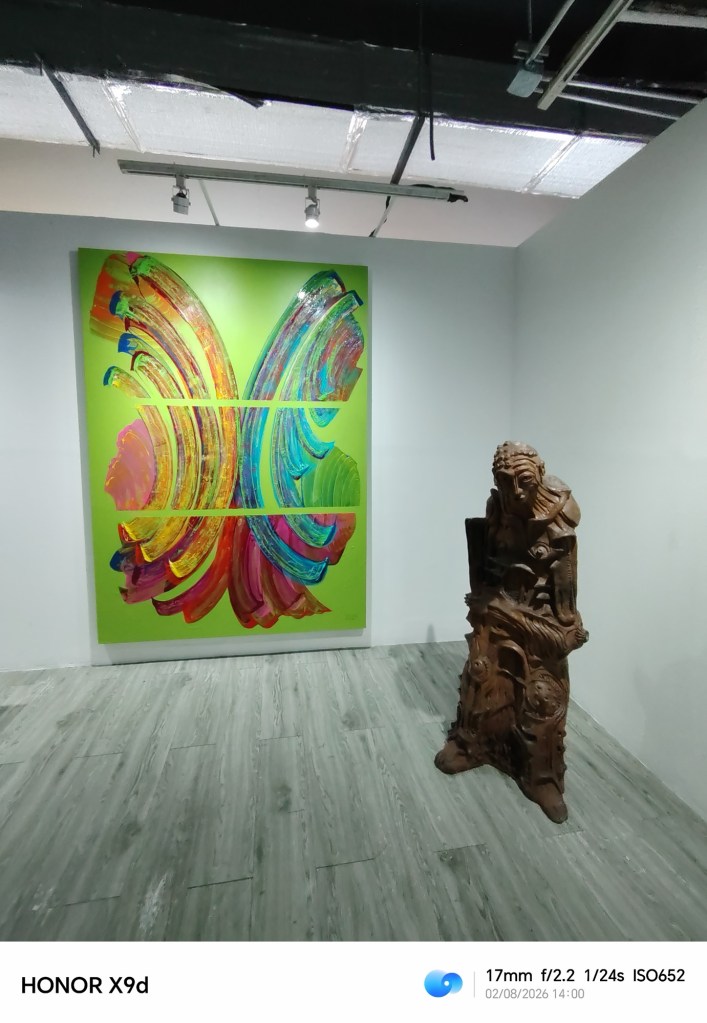
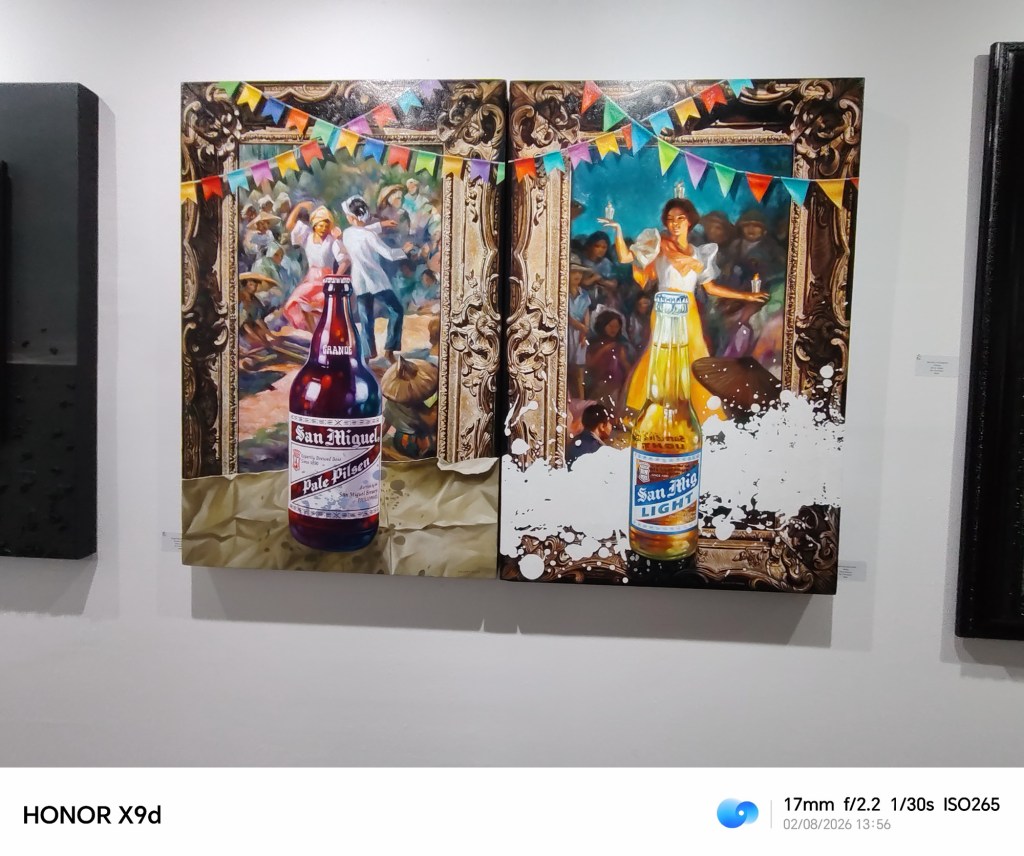
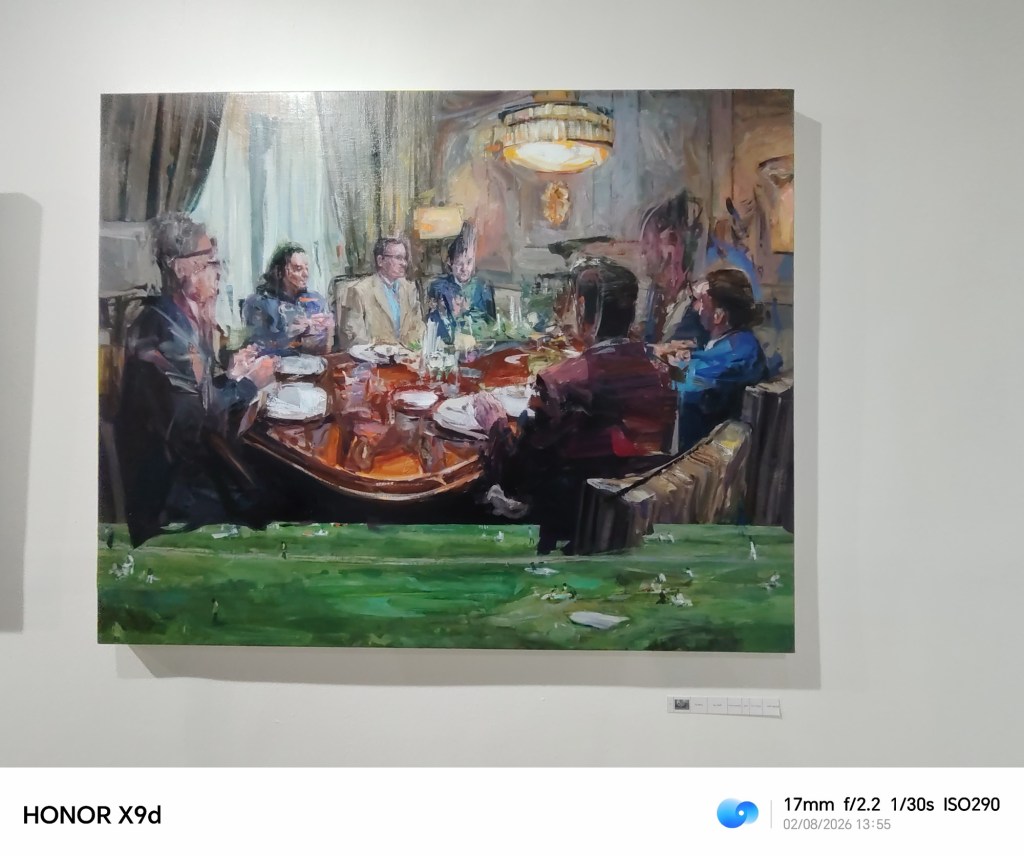
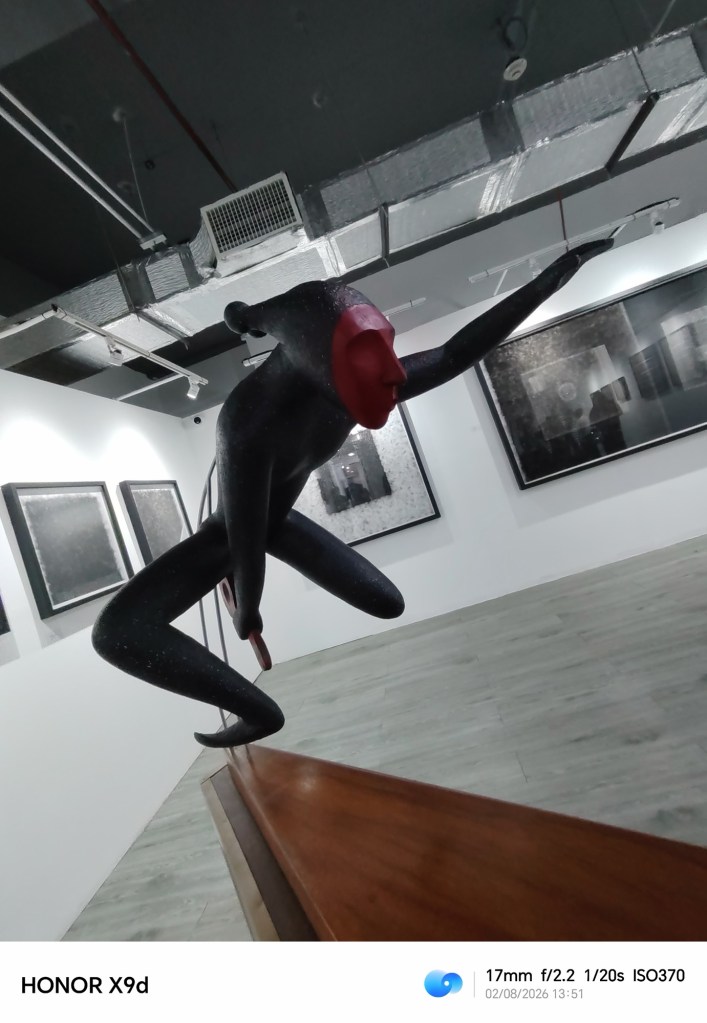
The Artists That Stayed With Me
One of the most memorable exhibitions came from Imelda Cajipe Endaya, whose printmaking retrospective carried decades of political and feminist history. Her works had weight. You didn’t just look at them, you felt the years inside them.
At the Sa Tahanan Co. exhibition “Narito, Naroon,” artists explored diaspora and Filipino identity across distance and memory. Katie Revilla’s photographic work and Lizza May David’s installation built around balikbayan boxes turned migration into something physical and intimate.
Other artists and speakers appearing across the fair included Nice Buenaventura, Ronyel Compra, Kim Sacay Chin, Brenda Fajardo, and Ambie Abaño, part of talks and curated programs that added depth beyond the gallery booths.
Even before stepping into individual booths, visitors were greeted by Ronald Ventura’s “Carousel,” a striking work that set the tone for the fair, contemporary Filipino art that is confident, layered, and impossible to ignore.
Major galleries such as Silverlens, León Gallery, Archivo 1984, and Gajah Gallery brought together a mix of established and emerging artists, reinforcing why the fair remains one of Southeast Asia’s strongest contemporary art platforms.
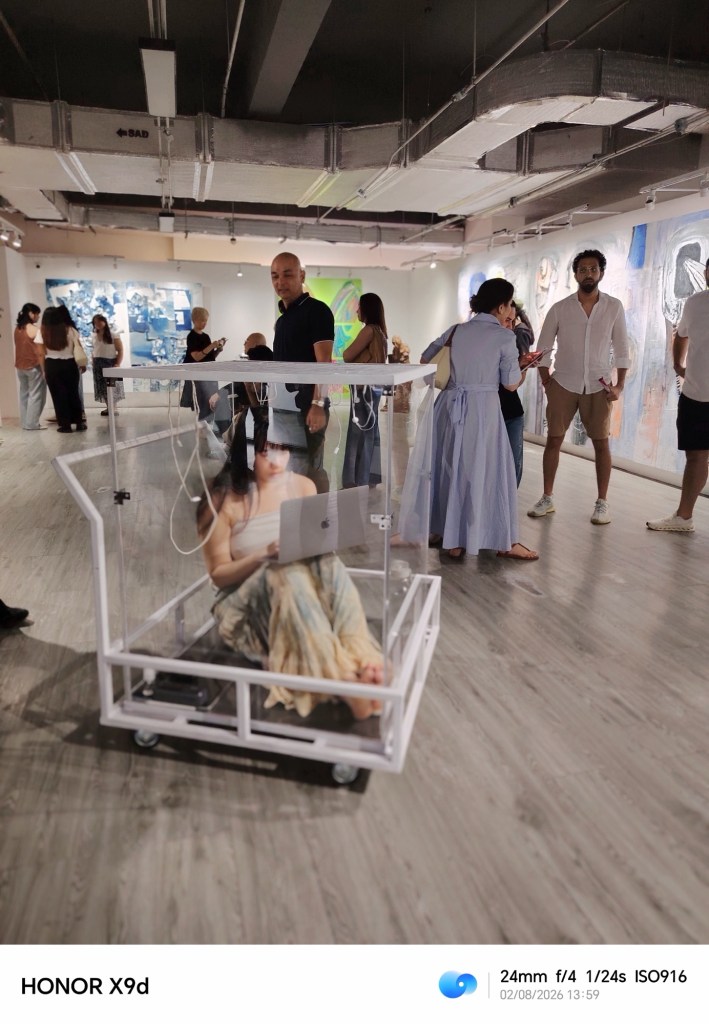
Walking Through It As A Lover of LIFE
The best way to experience Art Fair Philippines isn’t strategically. You walk until something stops you.
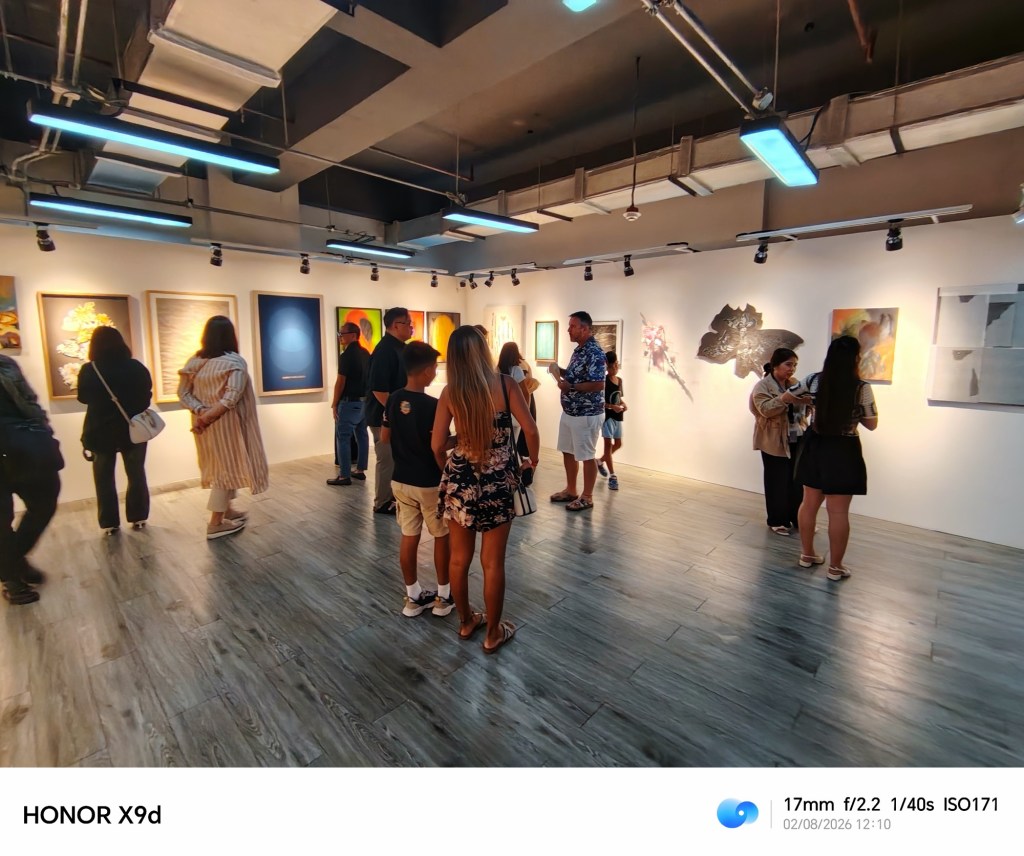
You notice how younger visitors linger longer than expected. How collectors stand quietly with their hands behind their backs. How students take photos from angles that turn paintings into personal memories.
After a while, the fair stops feeling like an event and starts feeling like a landscape.
A textured canvas catches light in a way you didn’t expect.
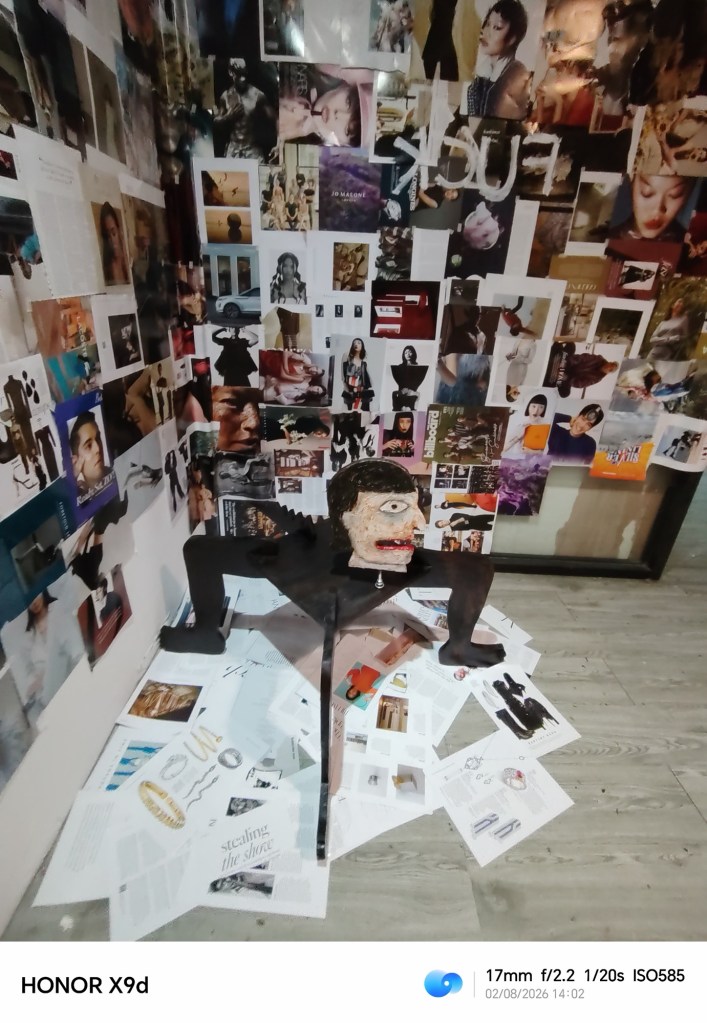
A sculpture changes meaning depending on where you stand.
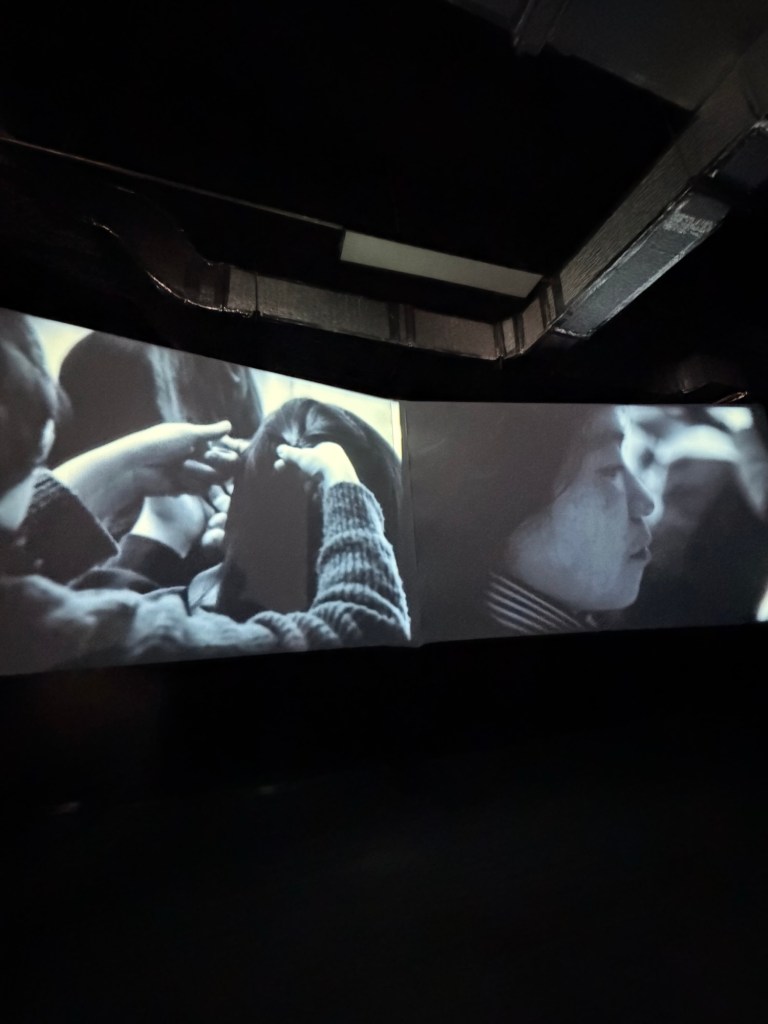
A video piece loops long enough to pull you in.
And suddenly two hours pass.
Art Fair Philippines has always said its mission is to expand the audience for visual art, and you could see that happening everywhere this year.
Not everyone who walked through those halls was an art insider. That was the point.
Some people came curious,some came skeptical.Or even because a friend dragged them along. But many left quieter than when they arrived.
What Stayed After
Art fairs are temporary by design. Three days, then everything disappears. The booths get dismantled, the lights turn off, and the works go back into crates or into collectors’ homes. But the experience stays in fragments, usually in the form of photographs we return to long after the event ends.
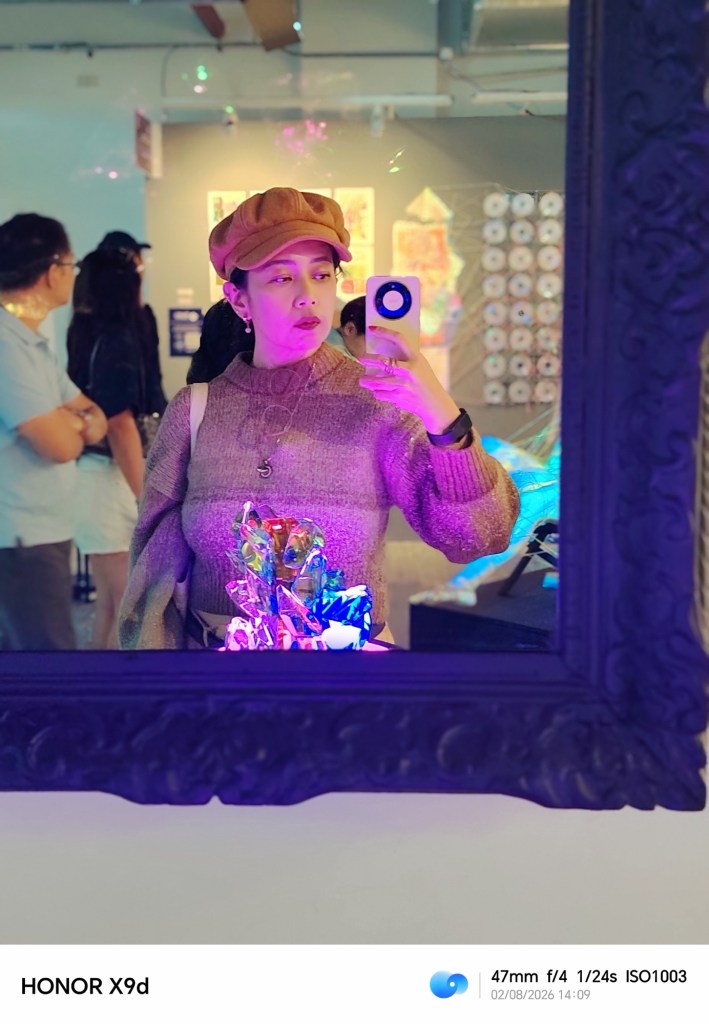
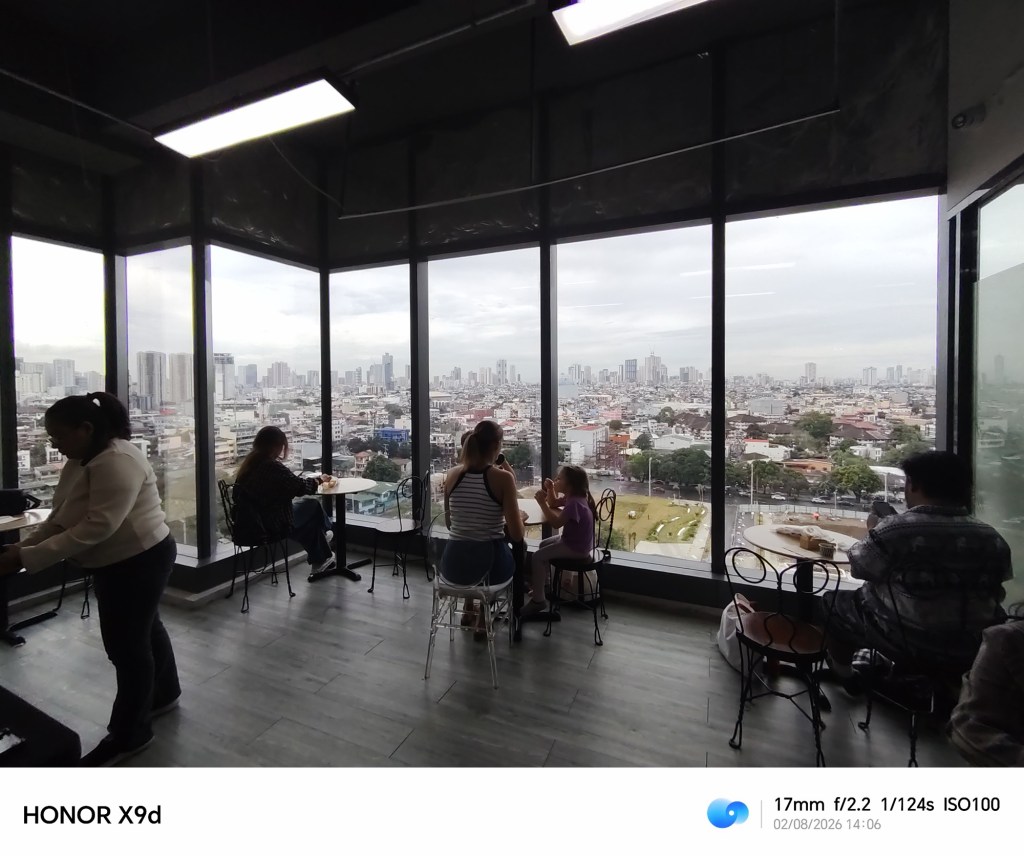
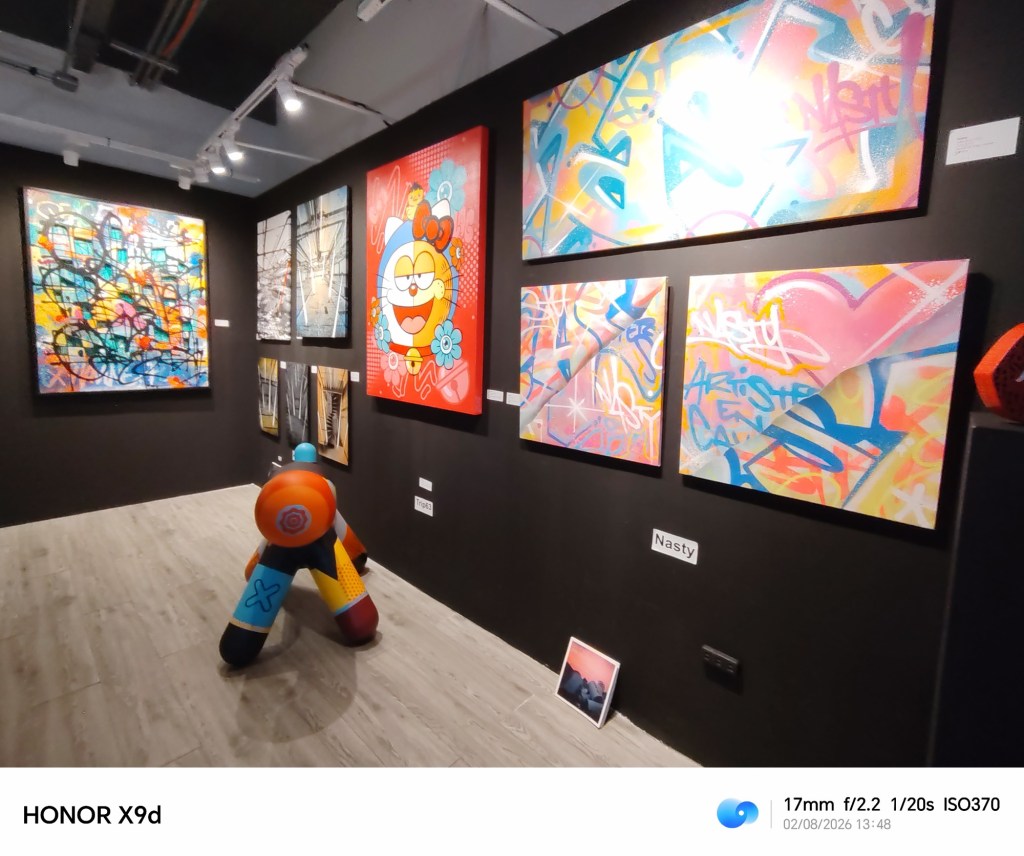
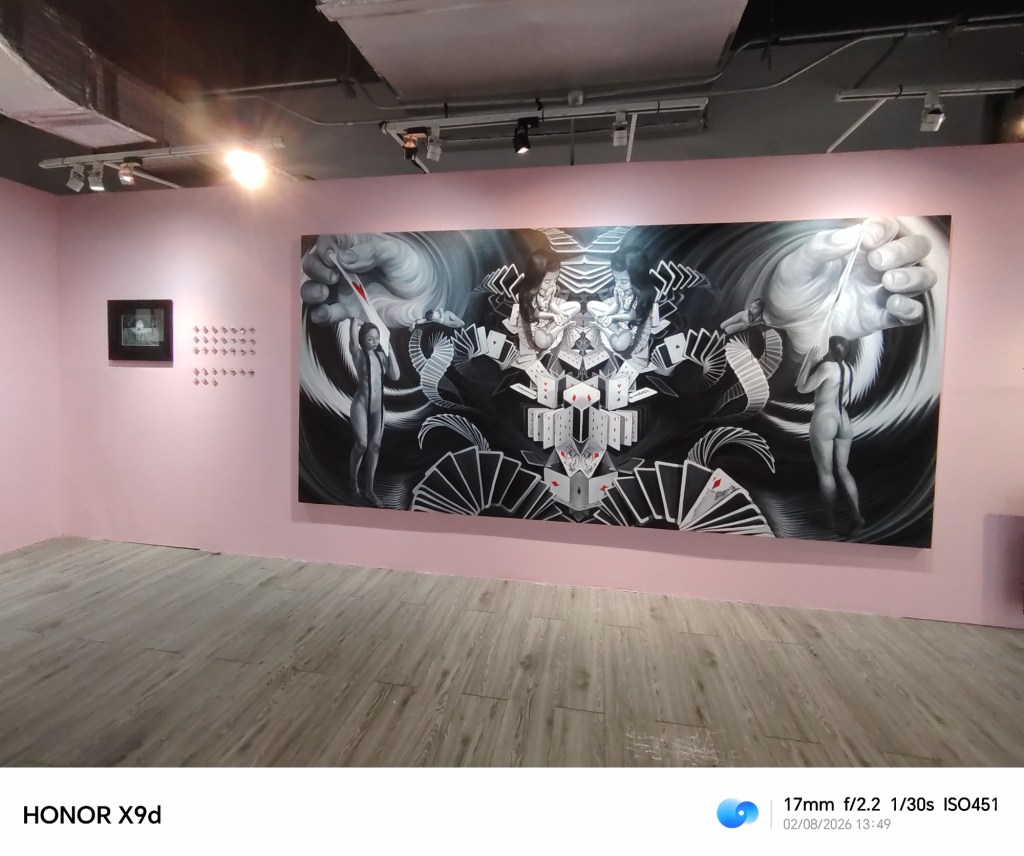
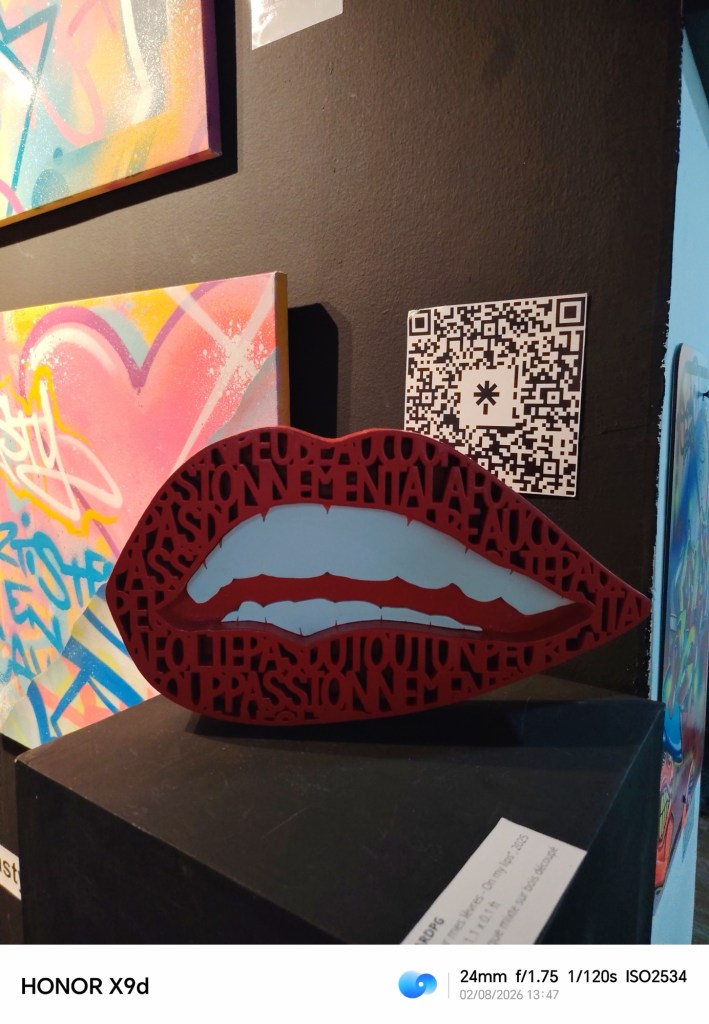
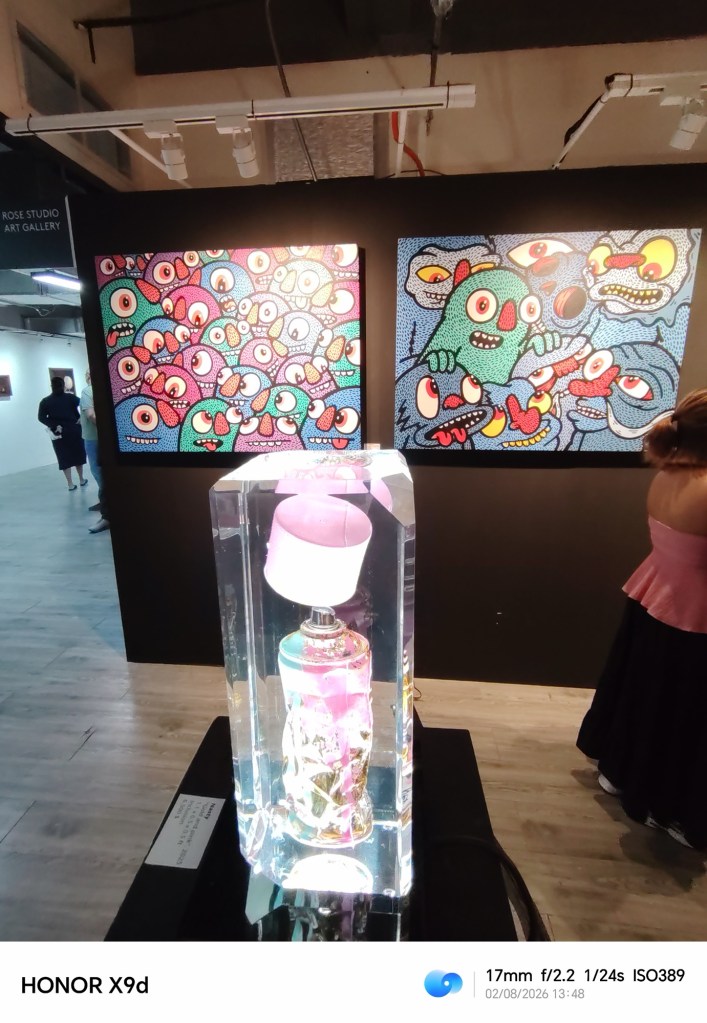
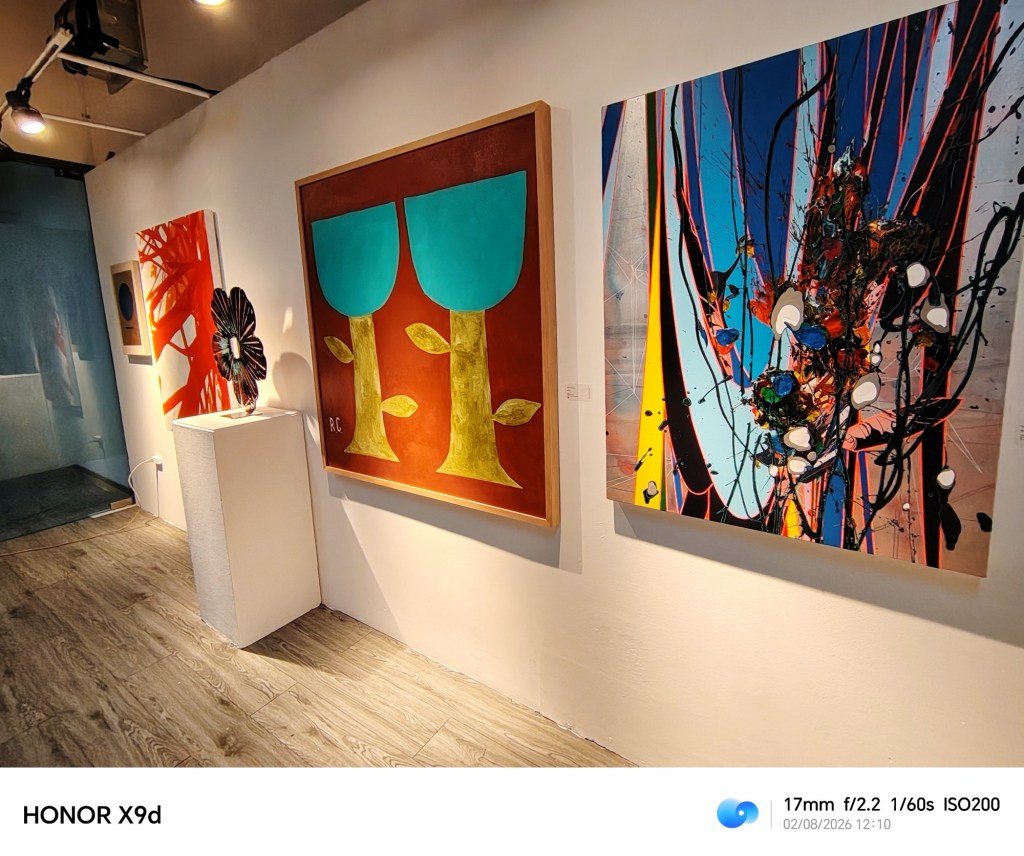
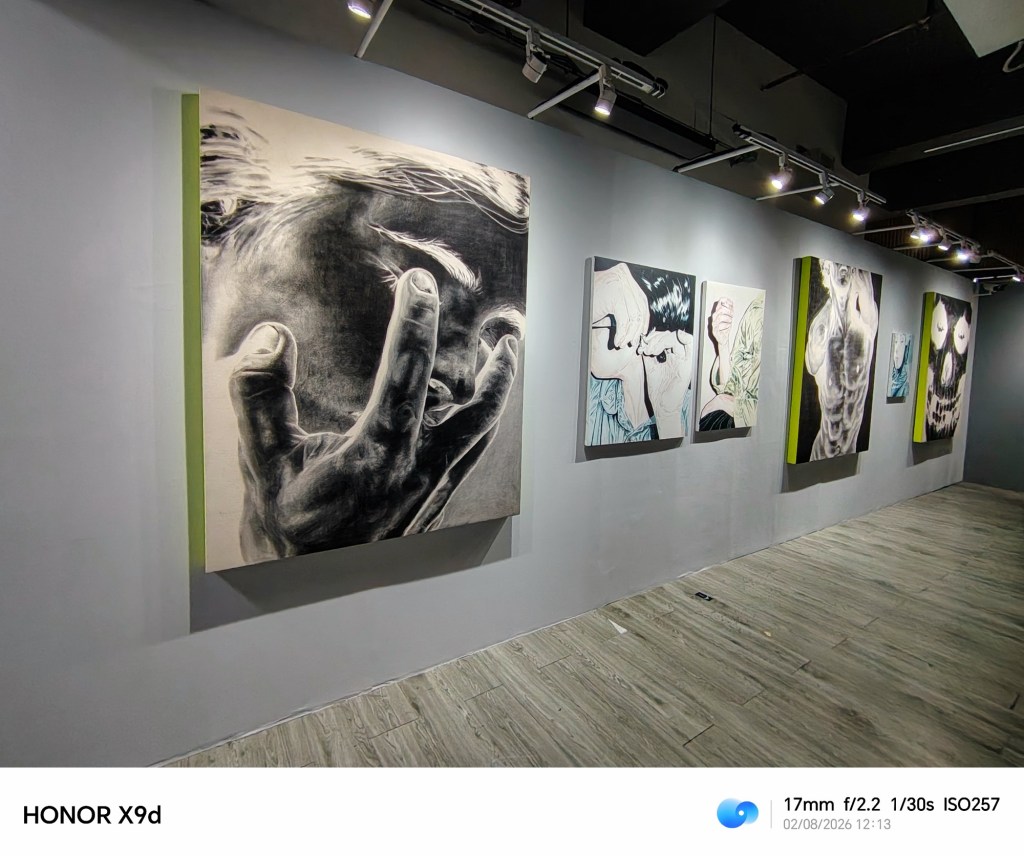
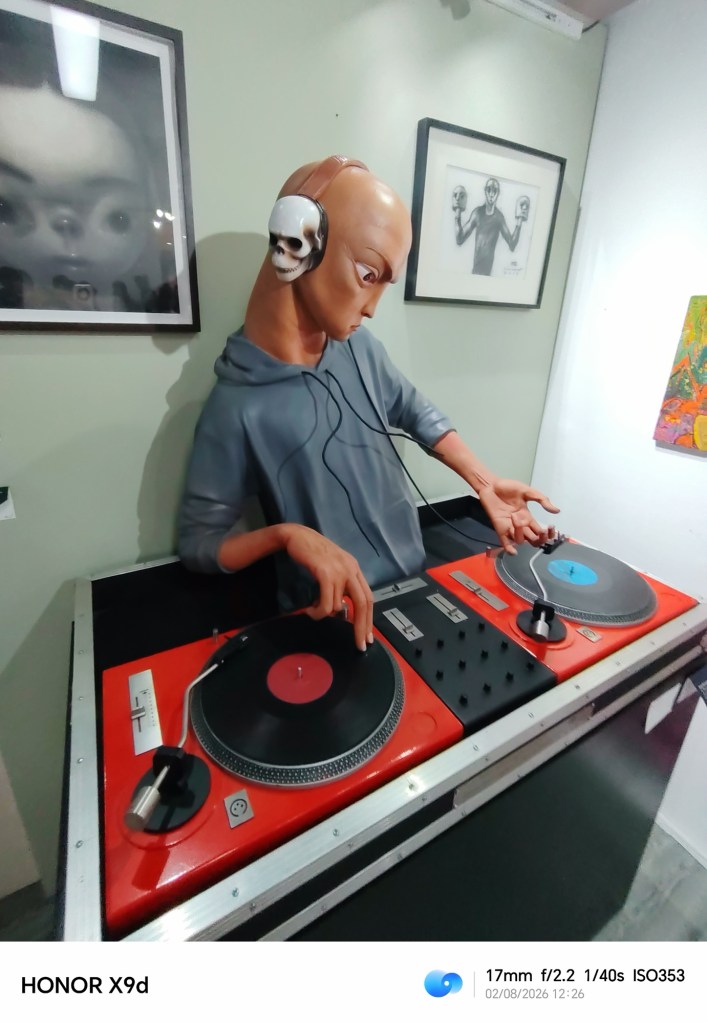
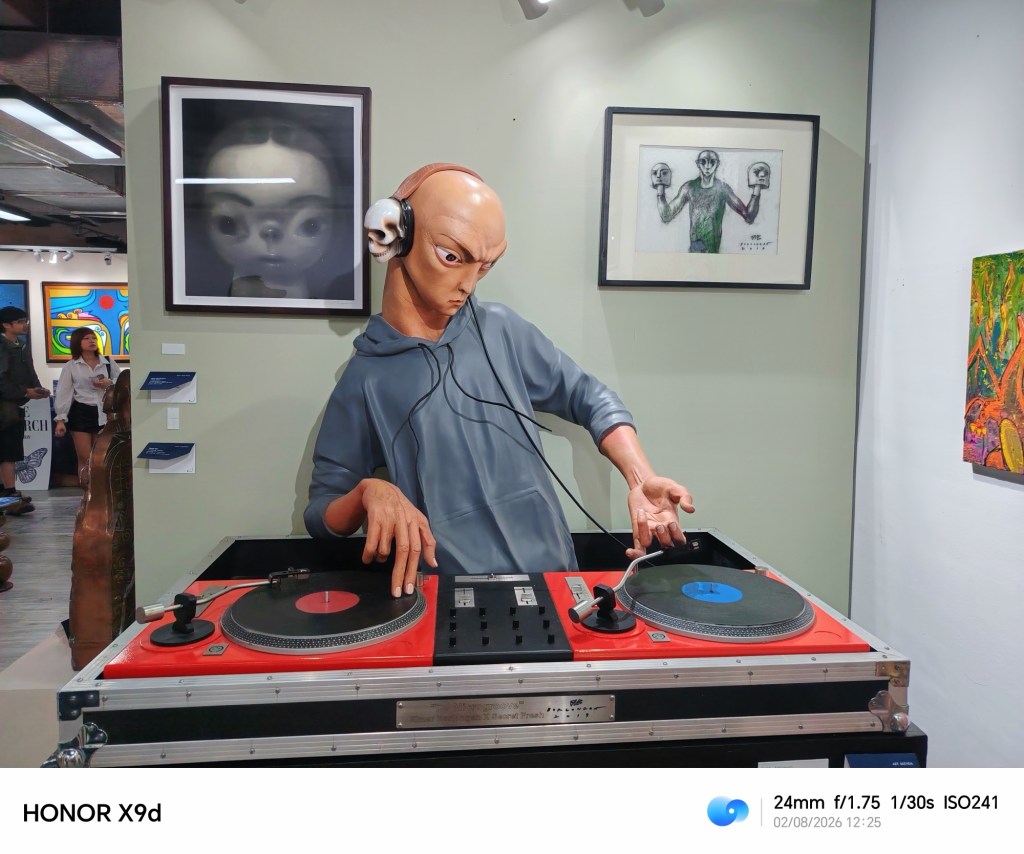
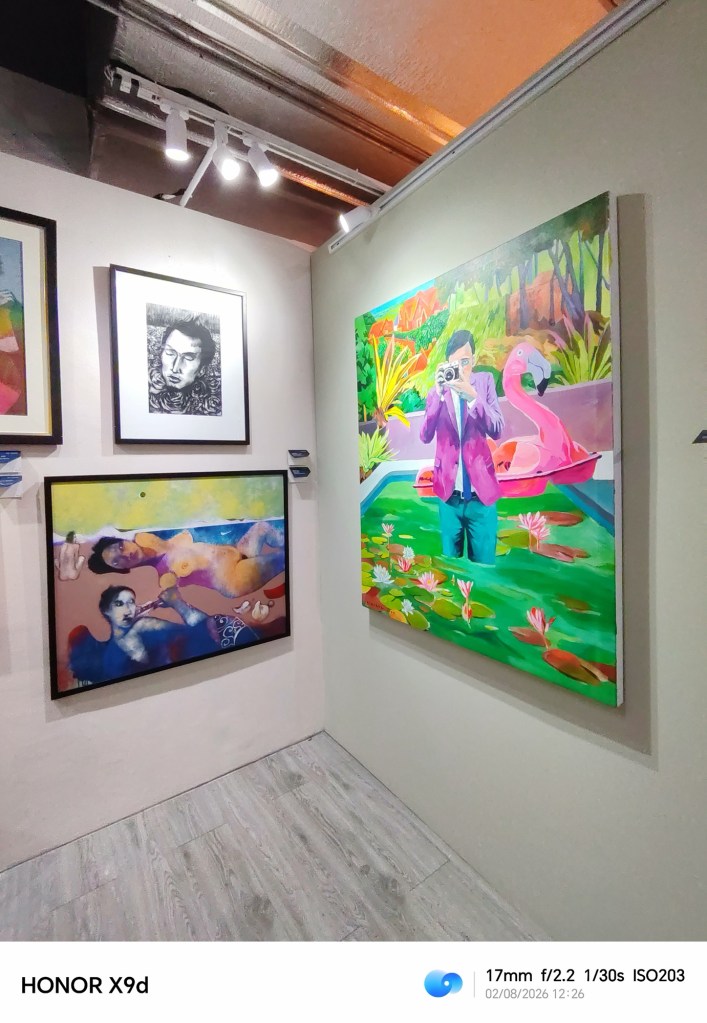
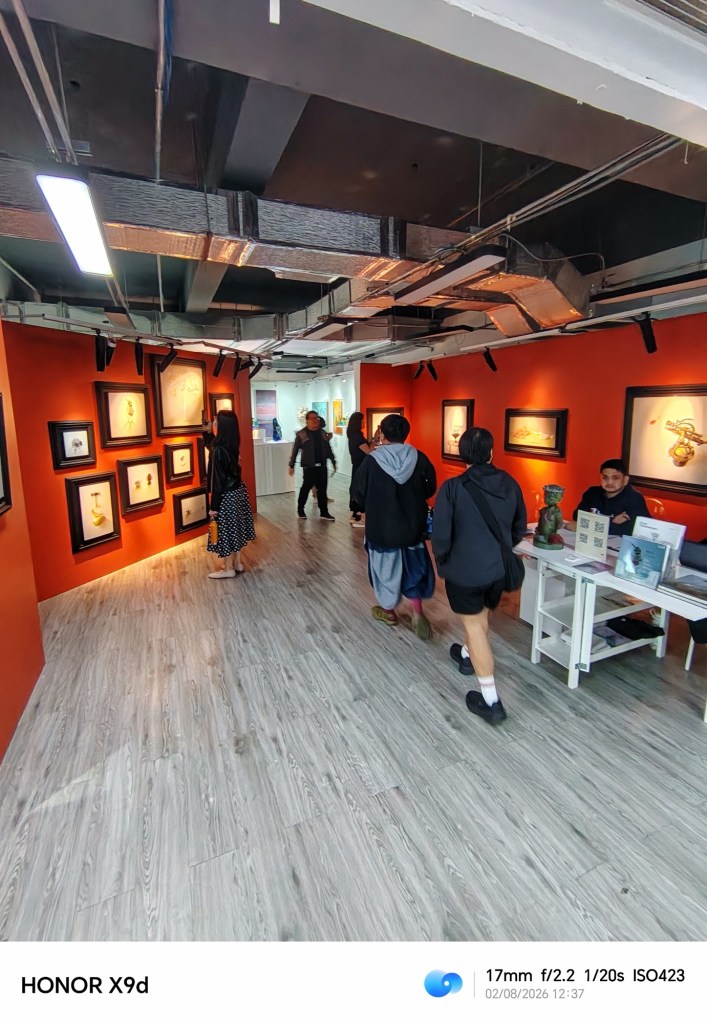
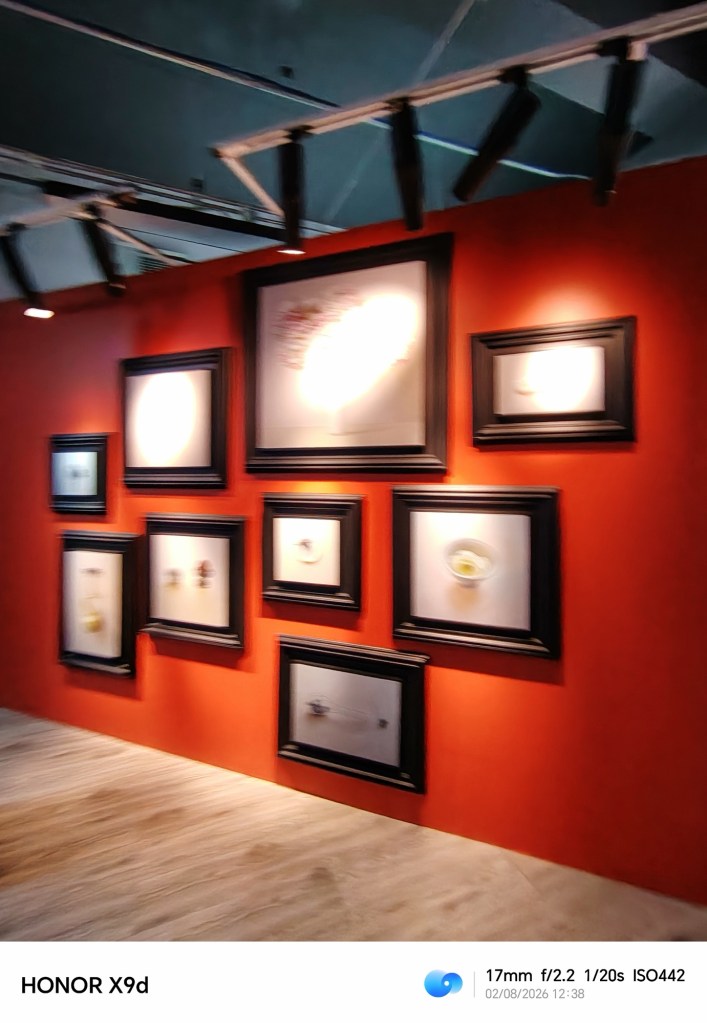
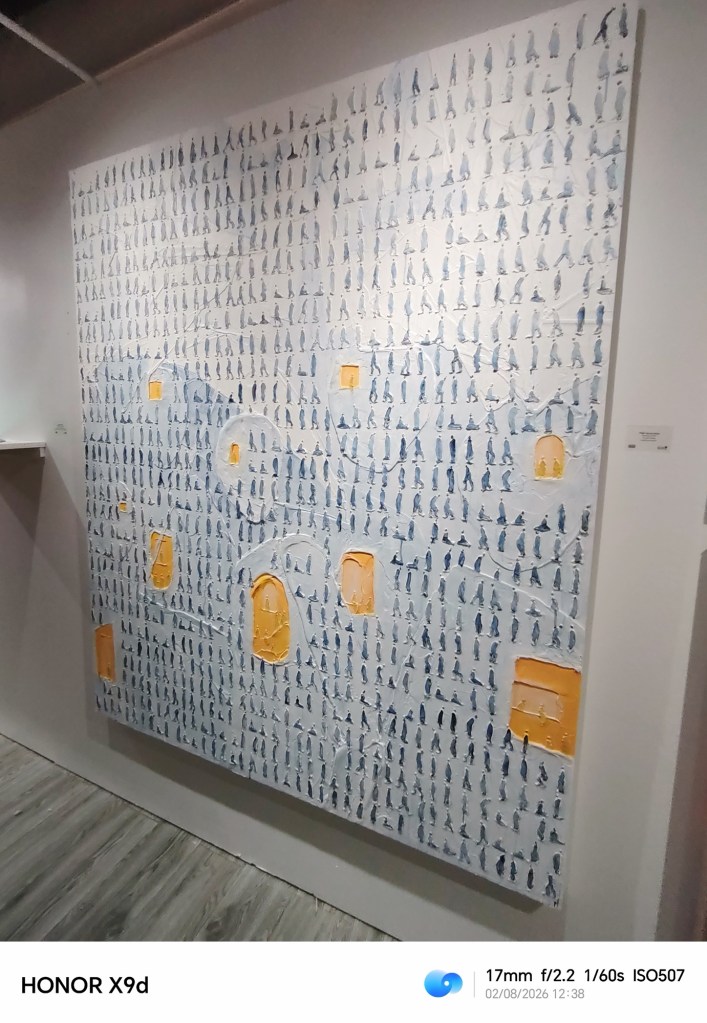
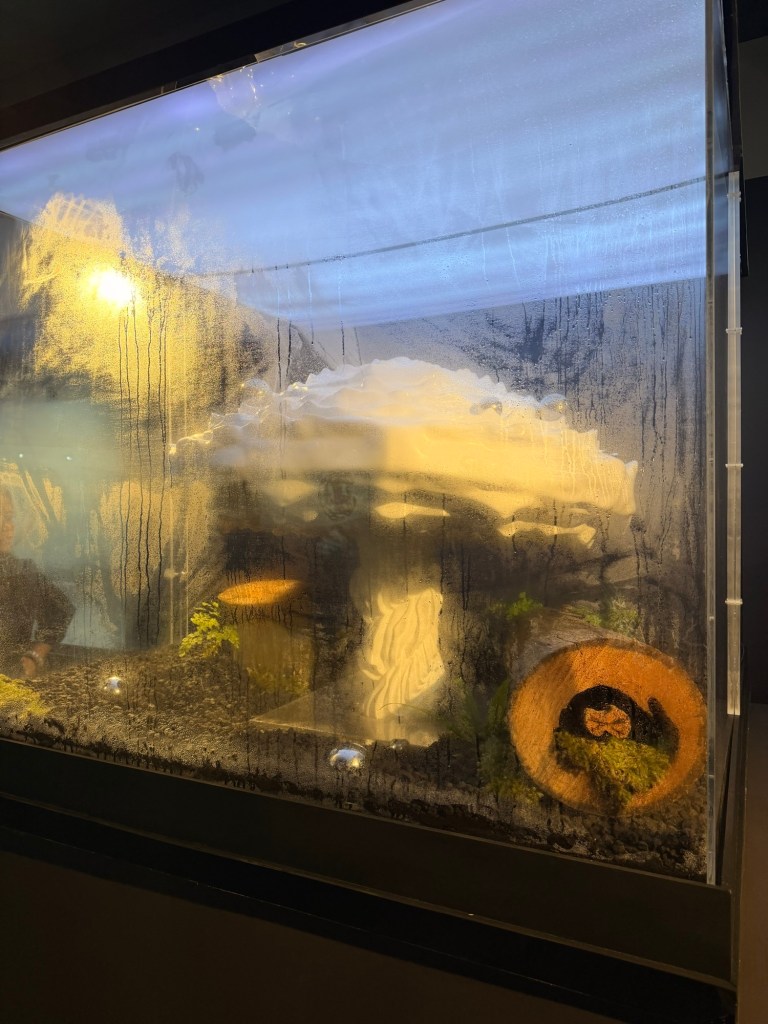
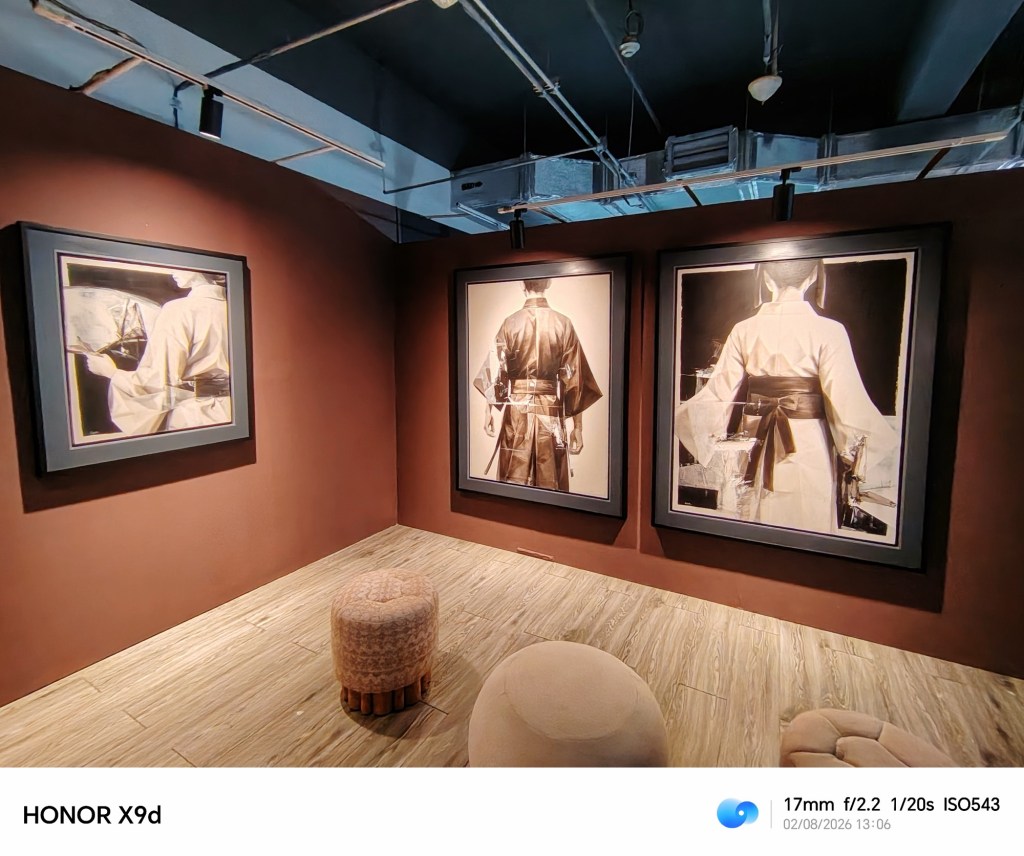
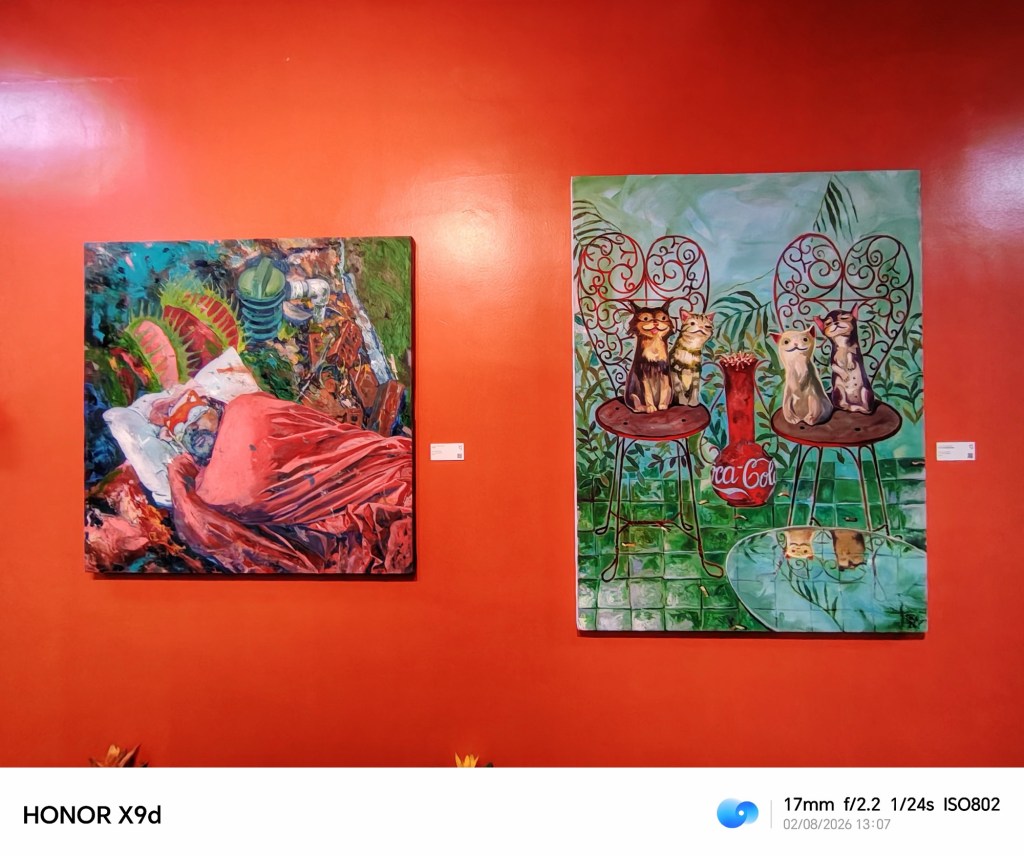
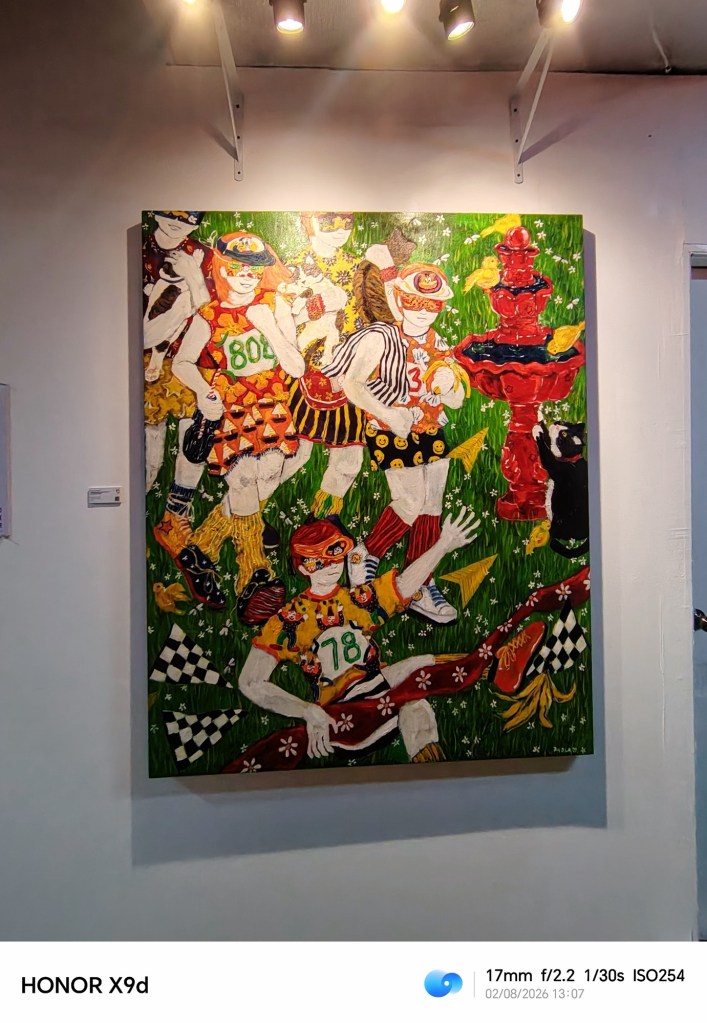
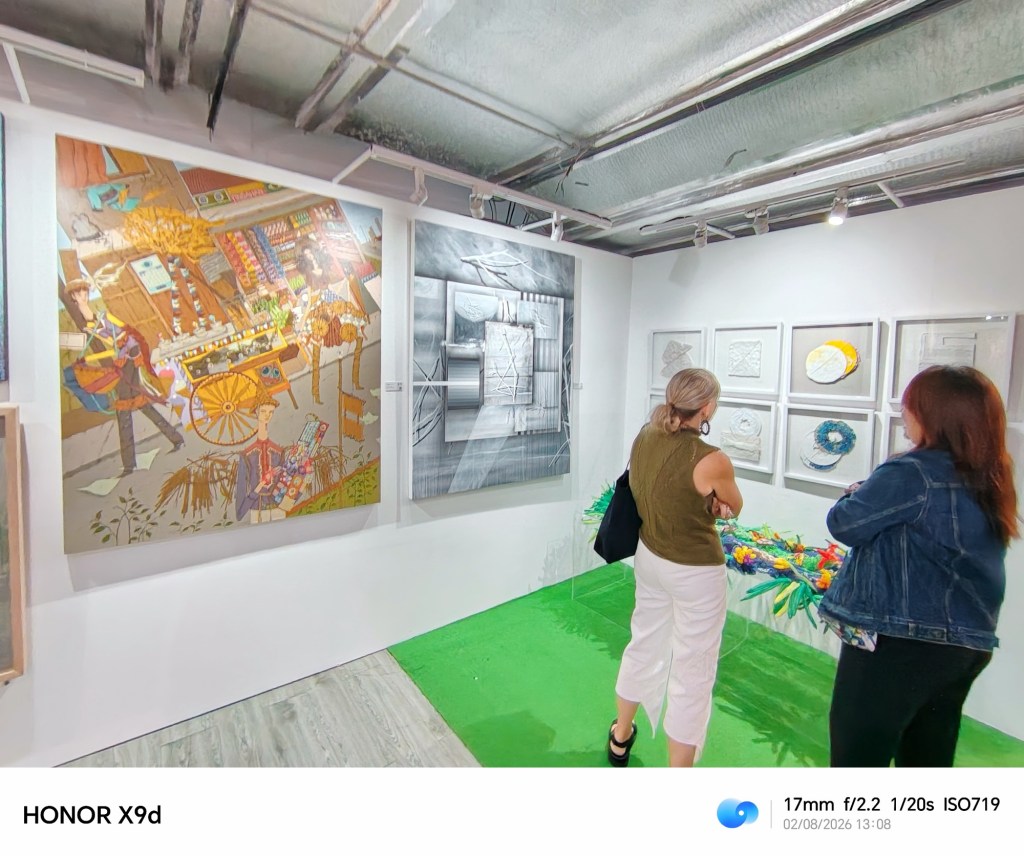
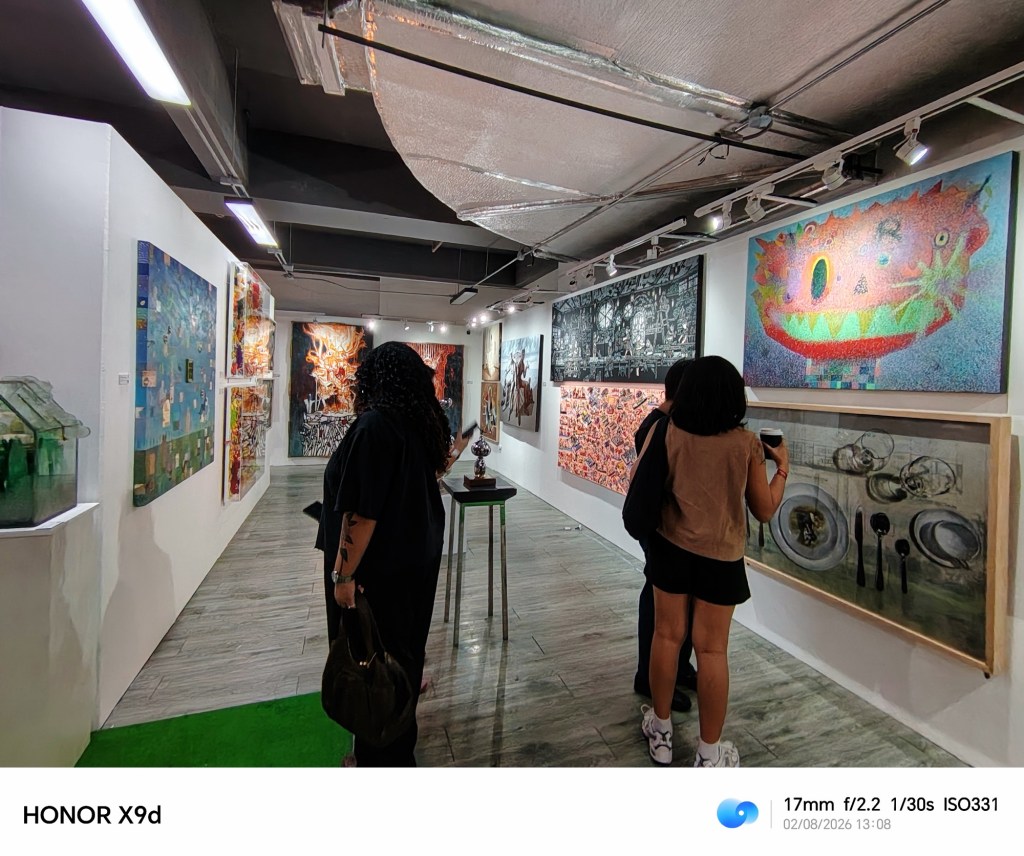
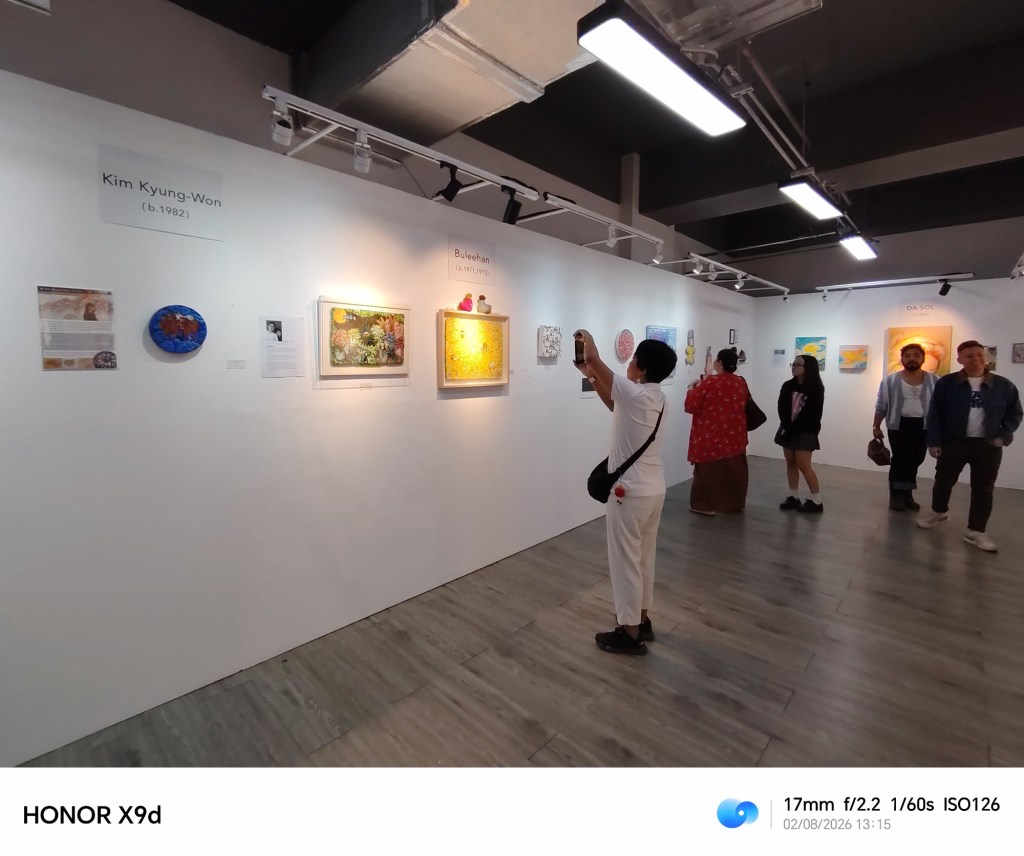
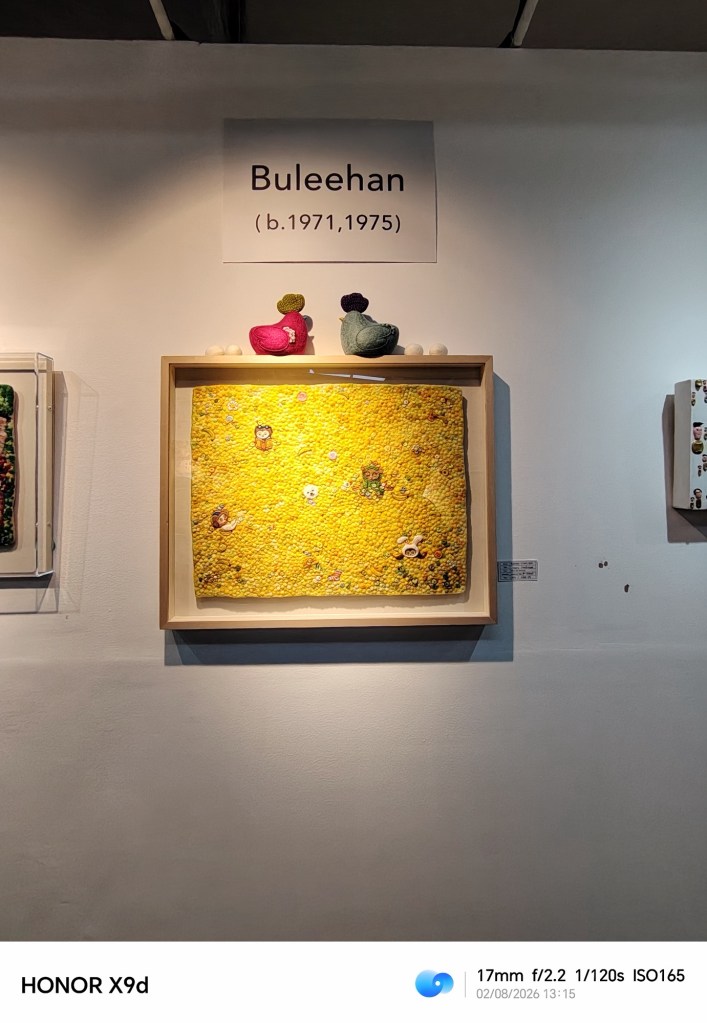
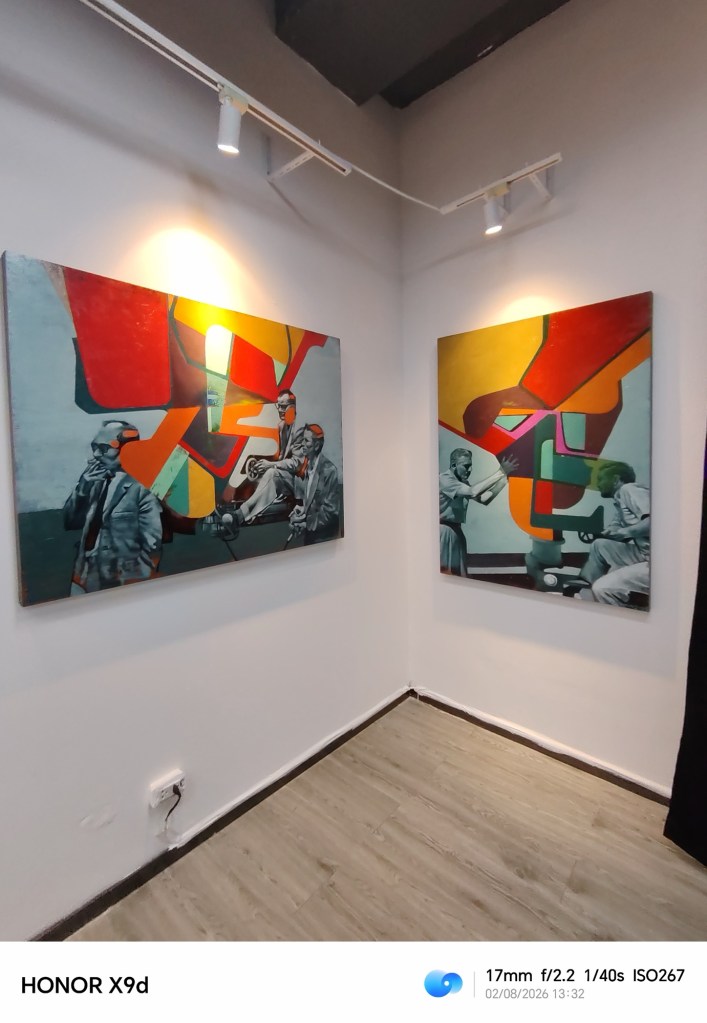
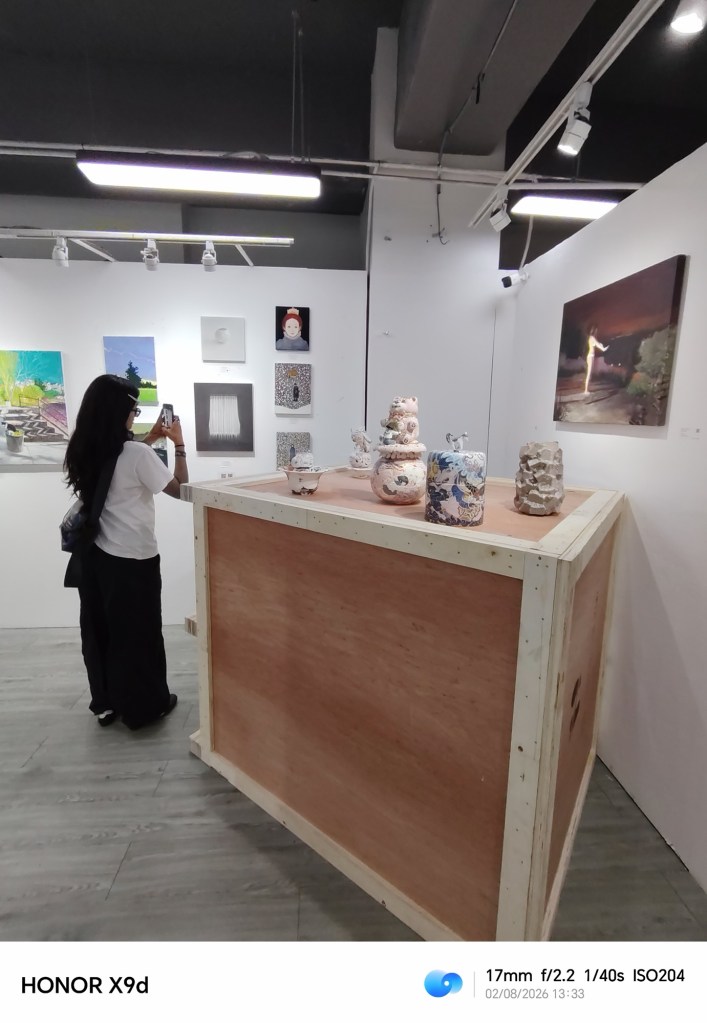
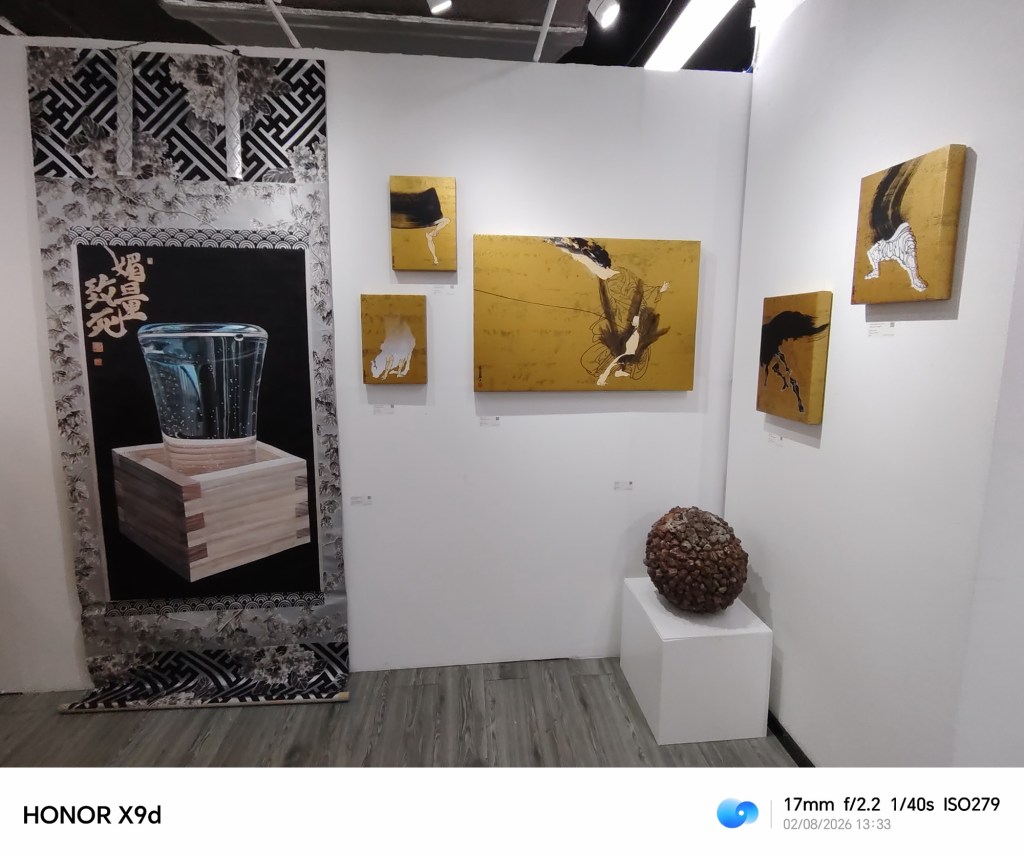
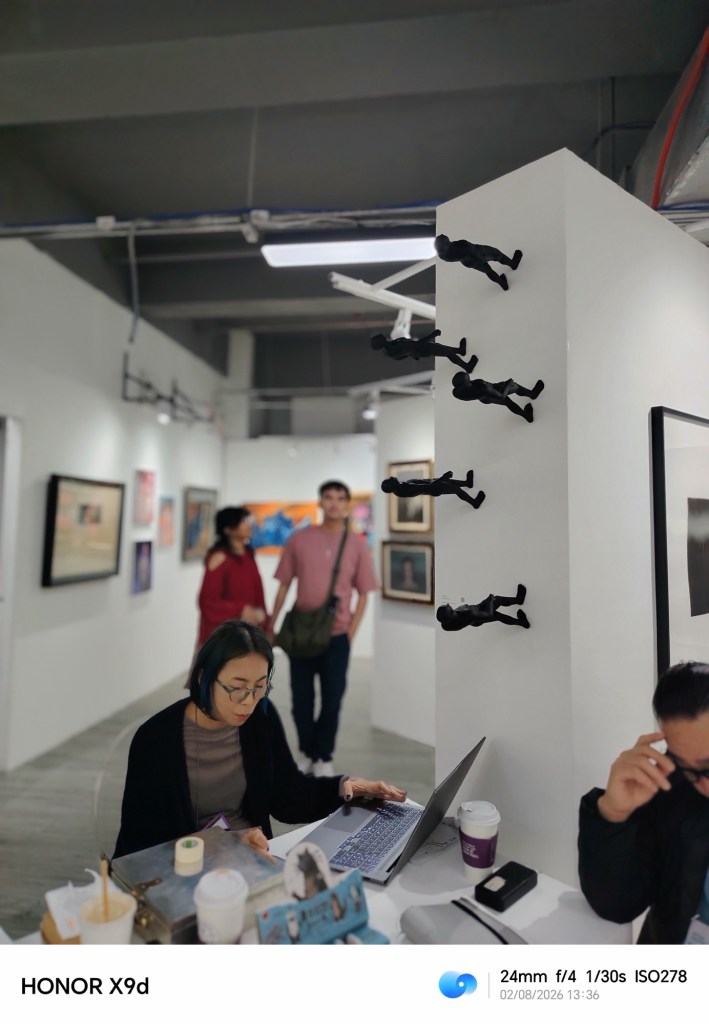
Most of what I carried home from Art Fair Philippines 2026 lives inside my HONOR X9d 5G, the phone that quietly documented the entire weekend, from crowded gallery floors to the smaller works tucked into corners people almost missed.
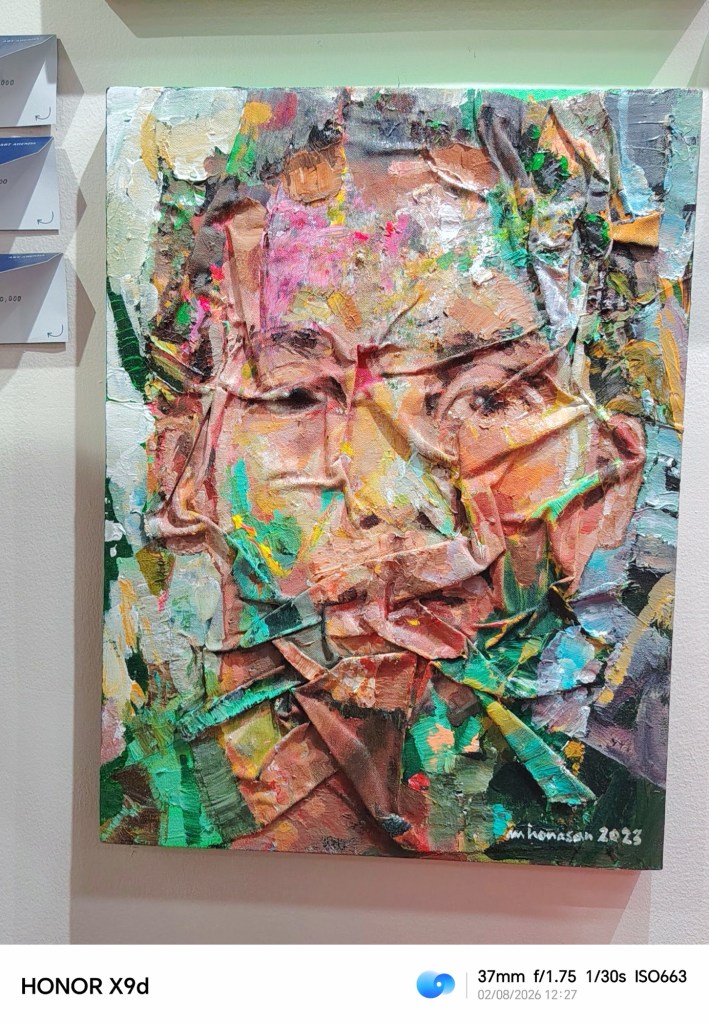
The 108MP camera with optical stabilization captured textures the way I remember seeing them, brushstrokes, layered paint, the grain of mixed media pieces. Even low-lit installations came through clearly, and the 6.79-inch 1.5K OLED display made reviewing the photos feel almost like standing in front of the works again, colors deep and surfaces sharp in a way that didn’t flatten the art into just another phone image.
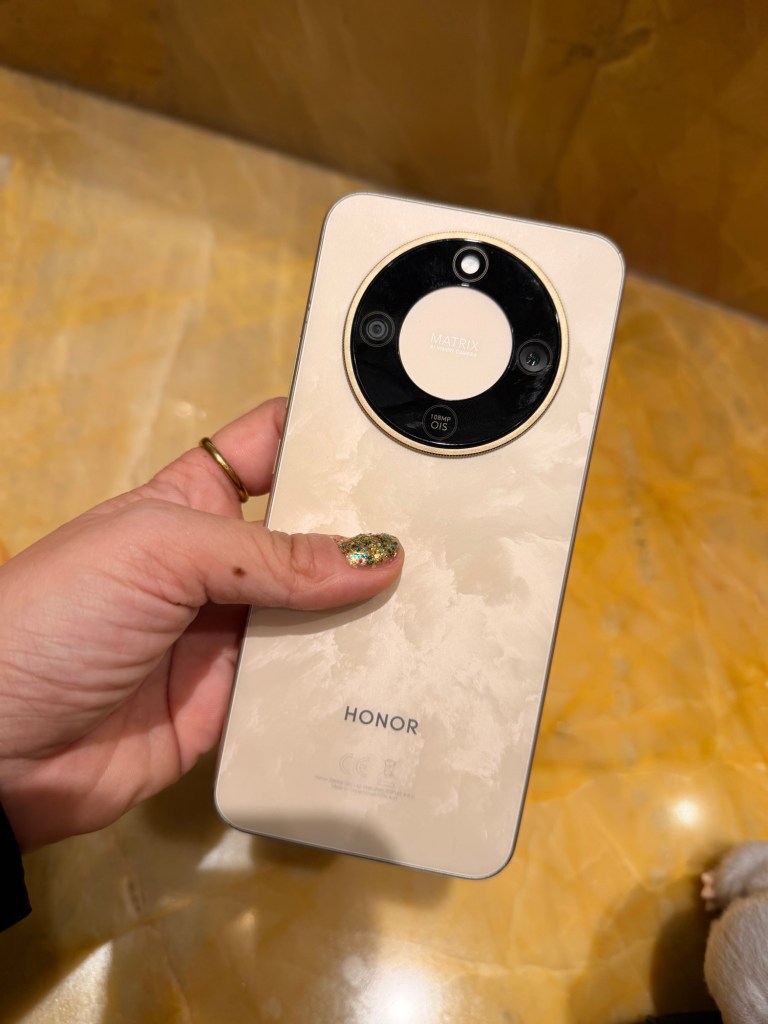
Walking an art fair means hours on your feet, moving from one floor to another, constantly pulling out your phone for a shot before the moment passes.
The 8,300 mAh battery turned out to be the quiet hero of the whole experience. No hunting for outlets between galleries, no battery anxiety halfway through the day, just a device that kept up the way a good companion does, steady and reliable from morning entry to closing time.
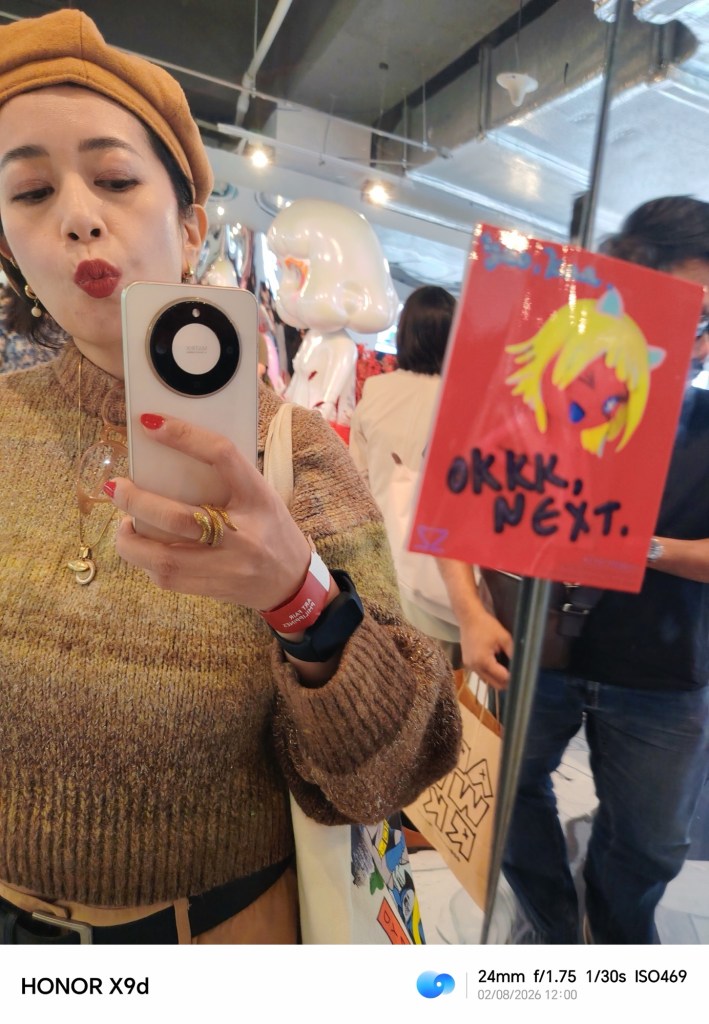
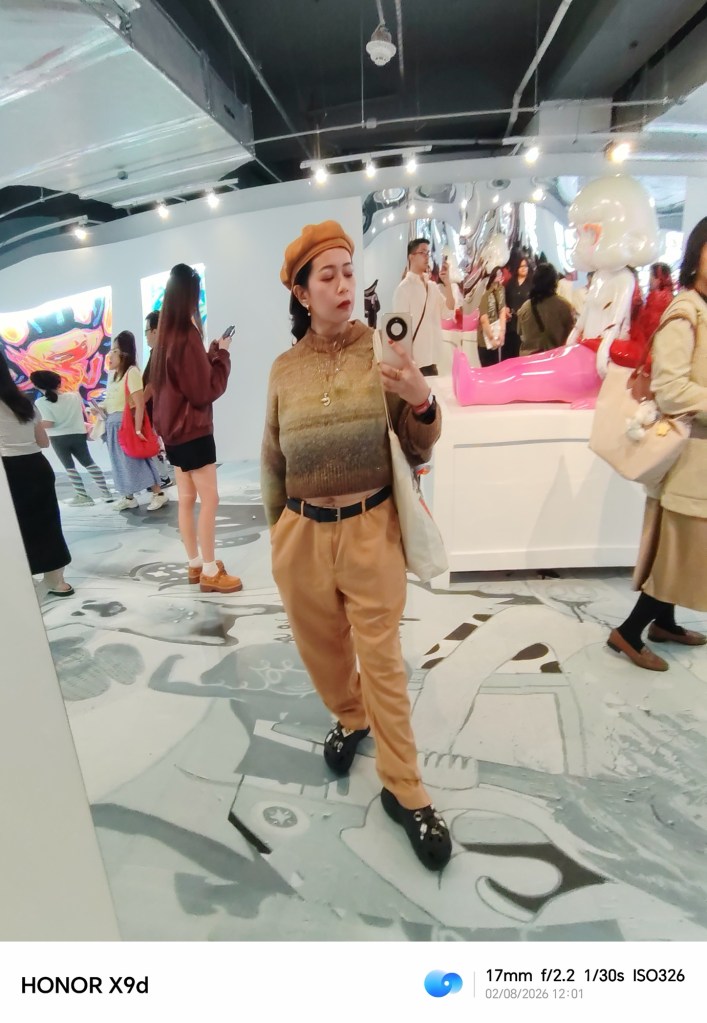
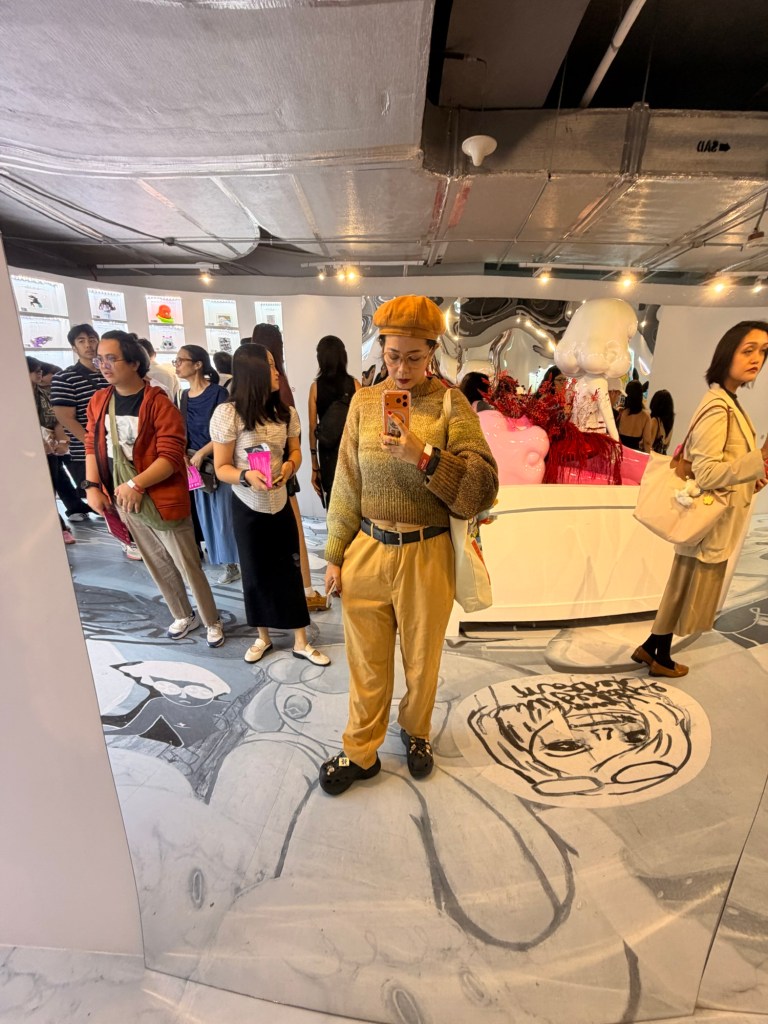
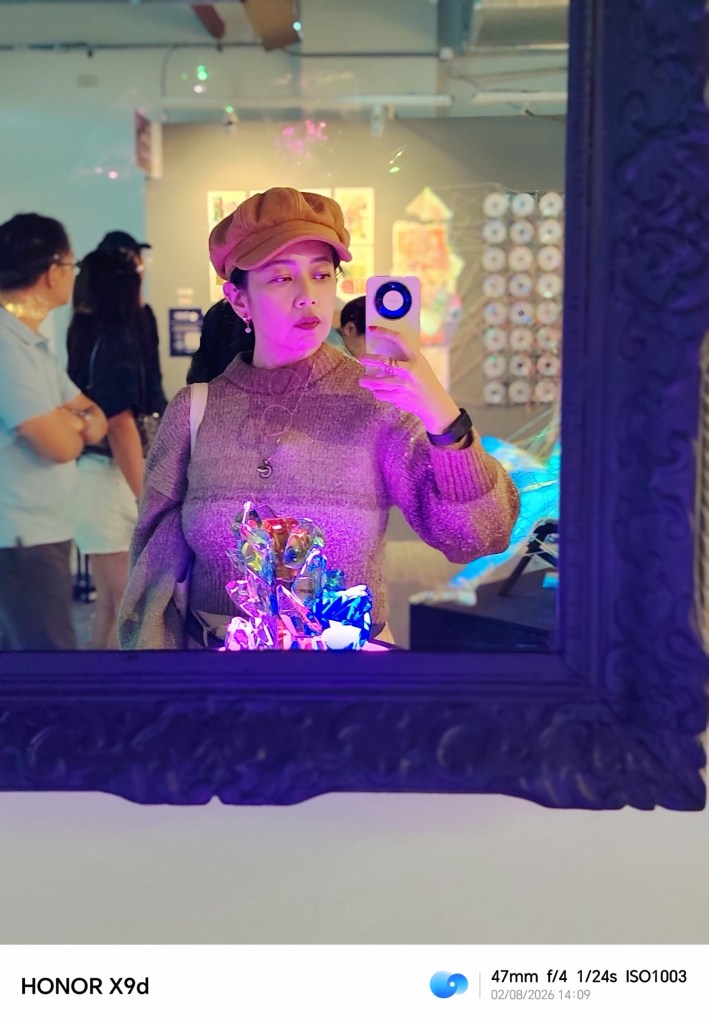
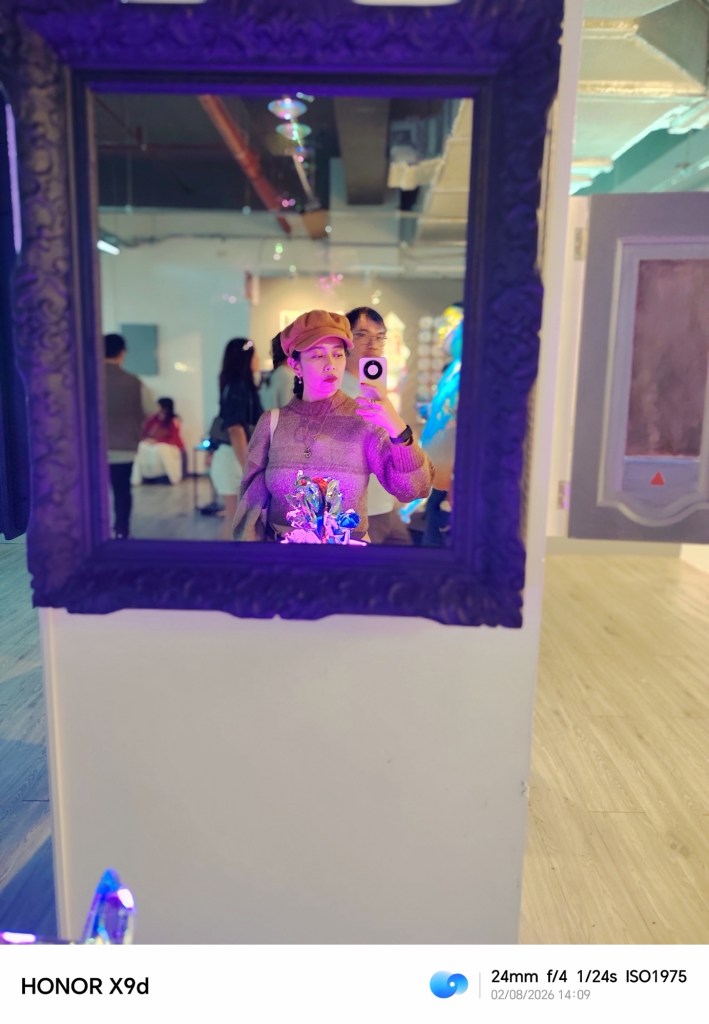
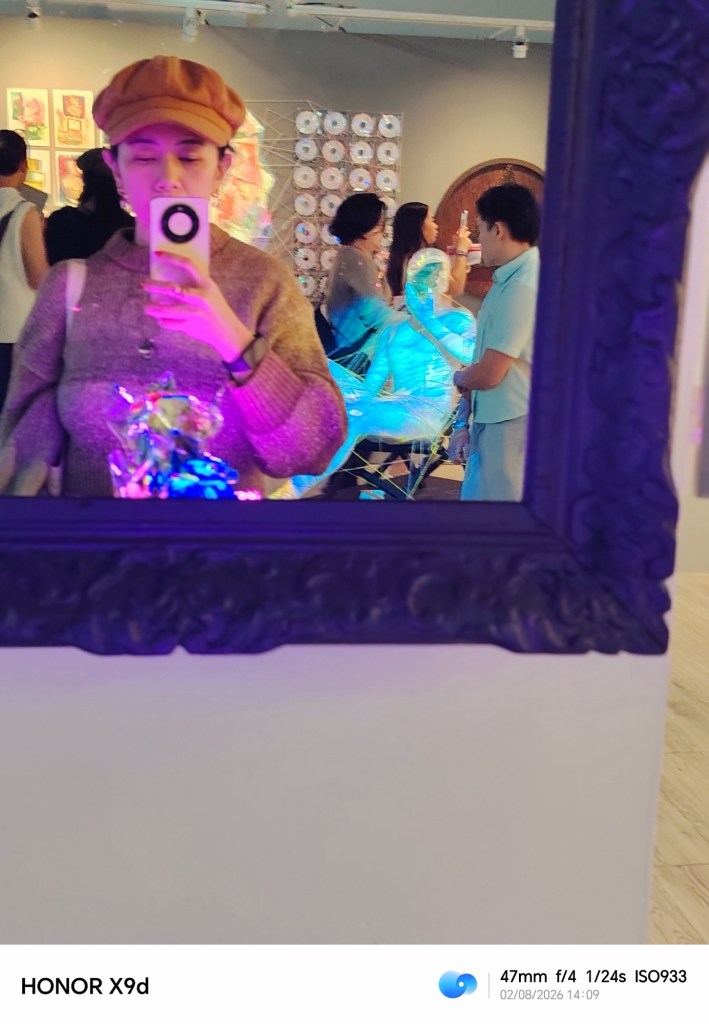
And there’s something unintentionally poetic about documenting art with a device built around endurance. The triple-defense durability and IP69K protection, certified to survive water exposure and drops up to 2.5 meters, felt right for a space where bodies moved constantly and accidents were always one bump away.
The phone slipped into bags, brushed against concrete walls, tapped against railings and display cases, carried through elevators and stairwells, and kept working without hesitation!
The phone slipped into bags, brushed against concrete walls, tapped against railings and display cases, carried through elevators and stairwells, and kept working without hesitation!
The phone slipped into bags, brushed against concrete walls, tapped against railings and display cases, carried through elevators and stairwells, and kept working without hesitation!
The phone slipped into bags, brushed against concrete walls, tapped against railings and display cases, carried through elevators and stairwells, and kept working without hesitation!
Maybe that’s where technology and art quietly meet. Both survive contact with the world. Paint holds against time. Materials endure handling. Ideas outlast the spaces they temporarily occupy.
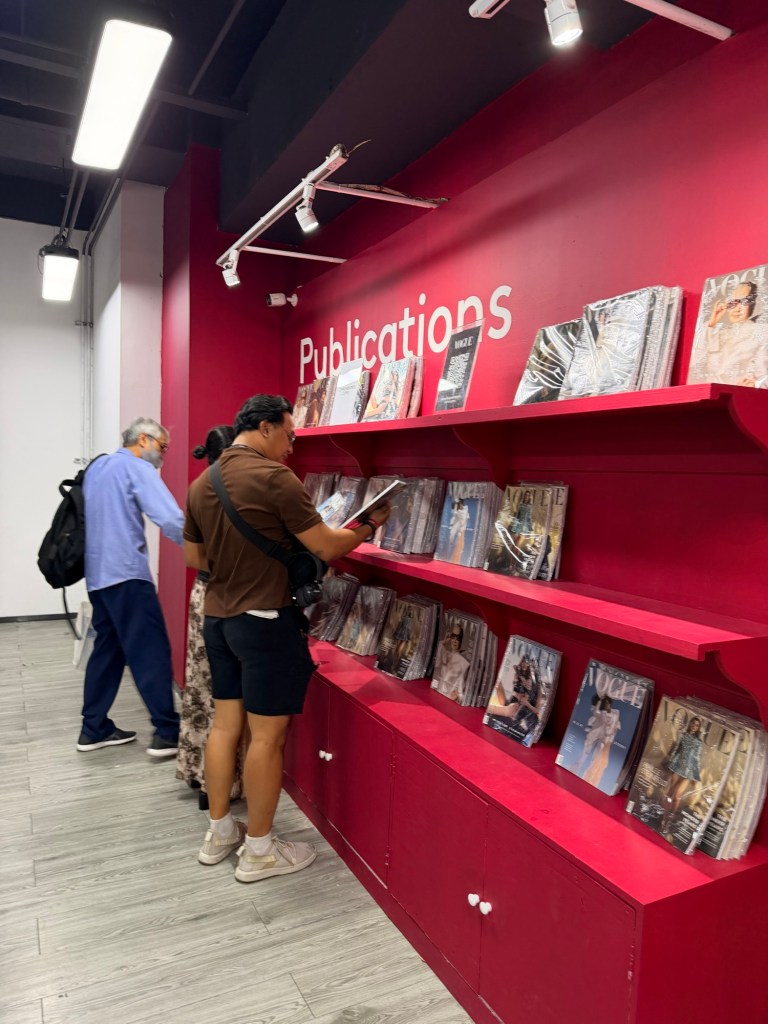
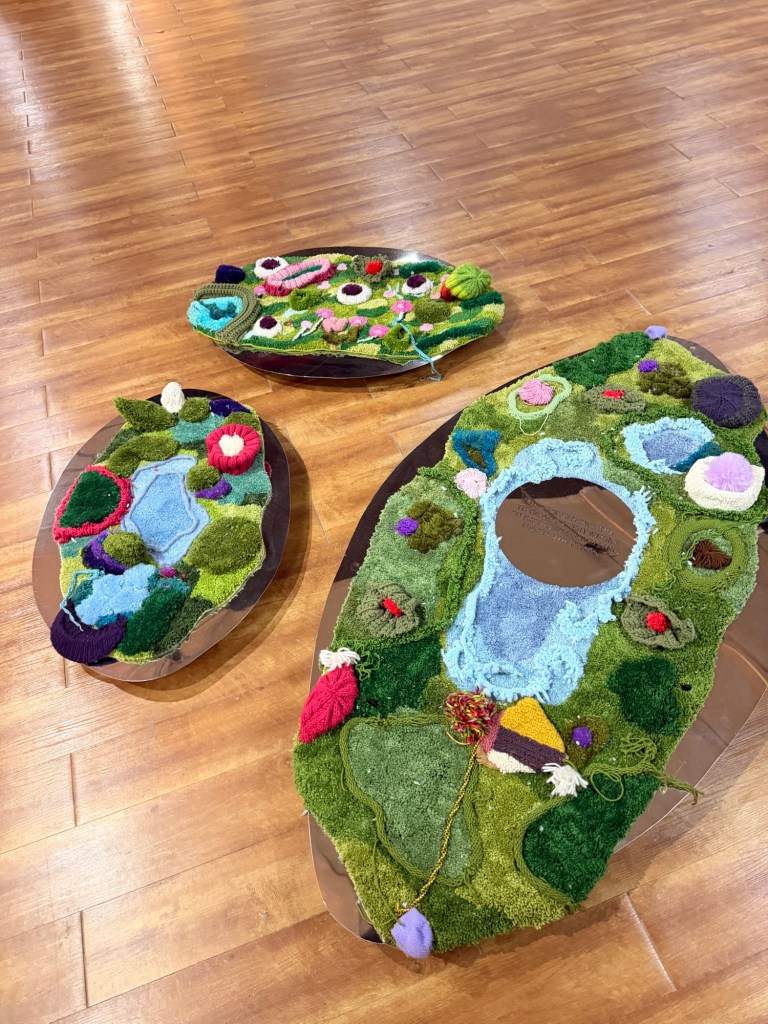
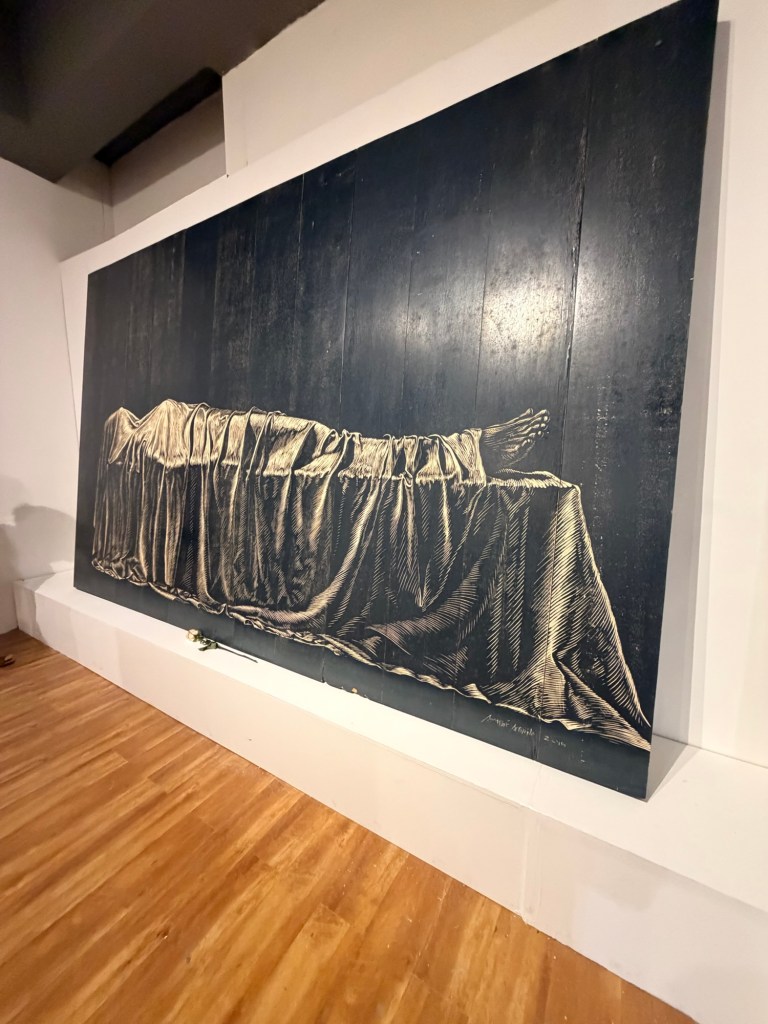
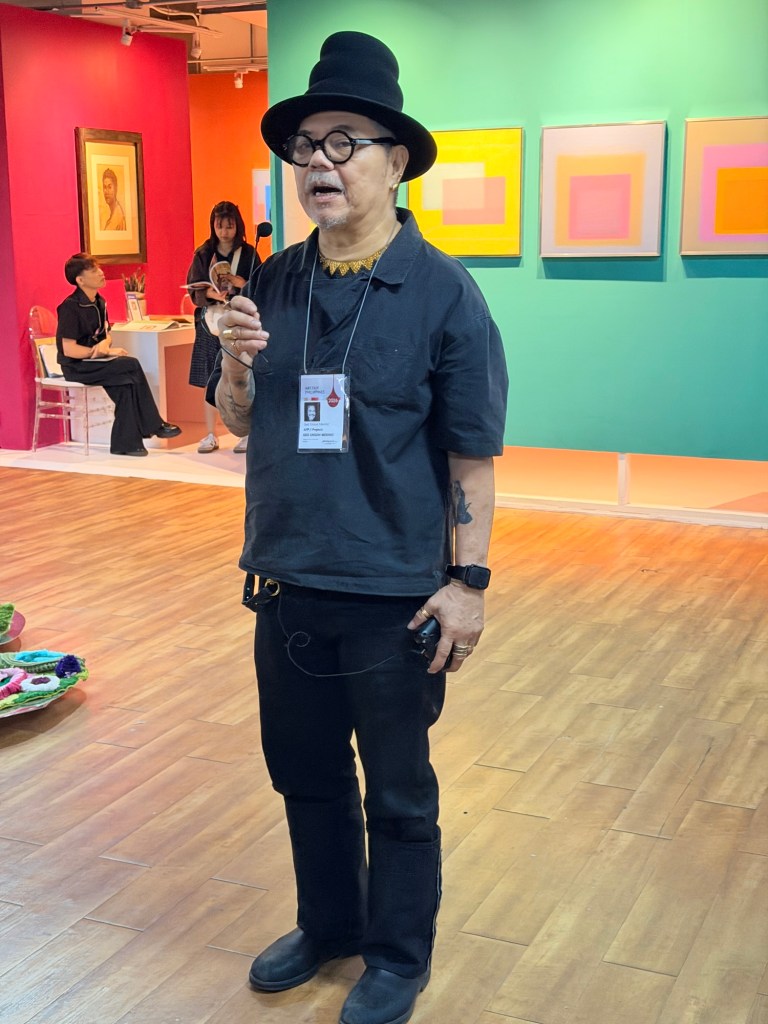
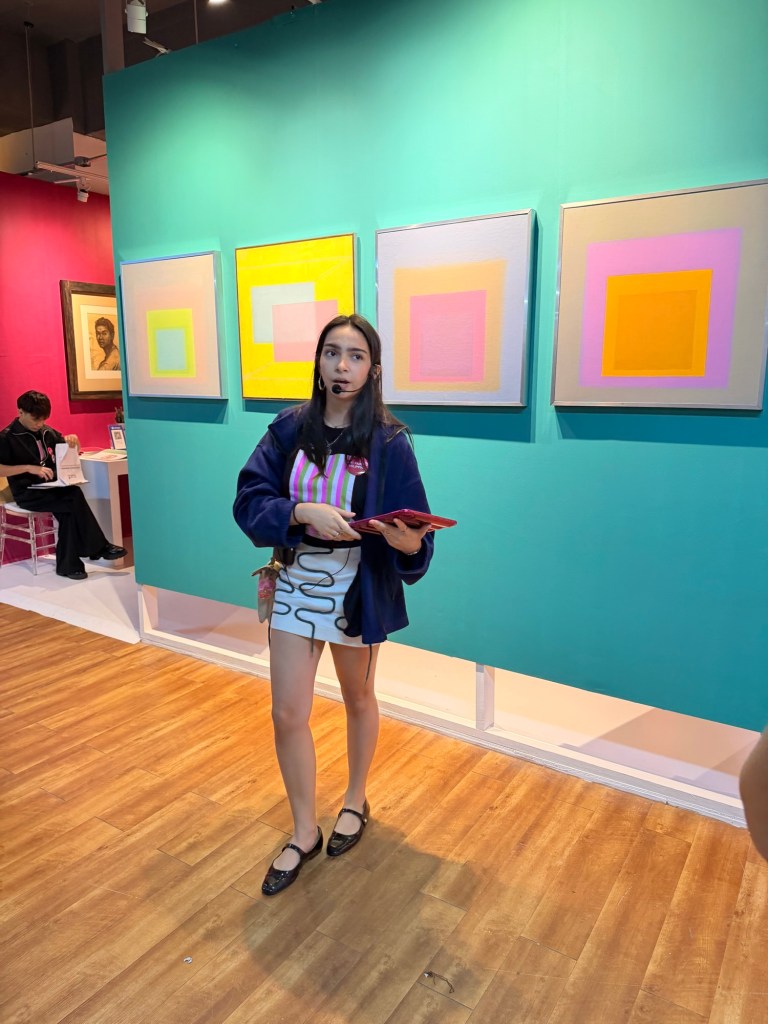
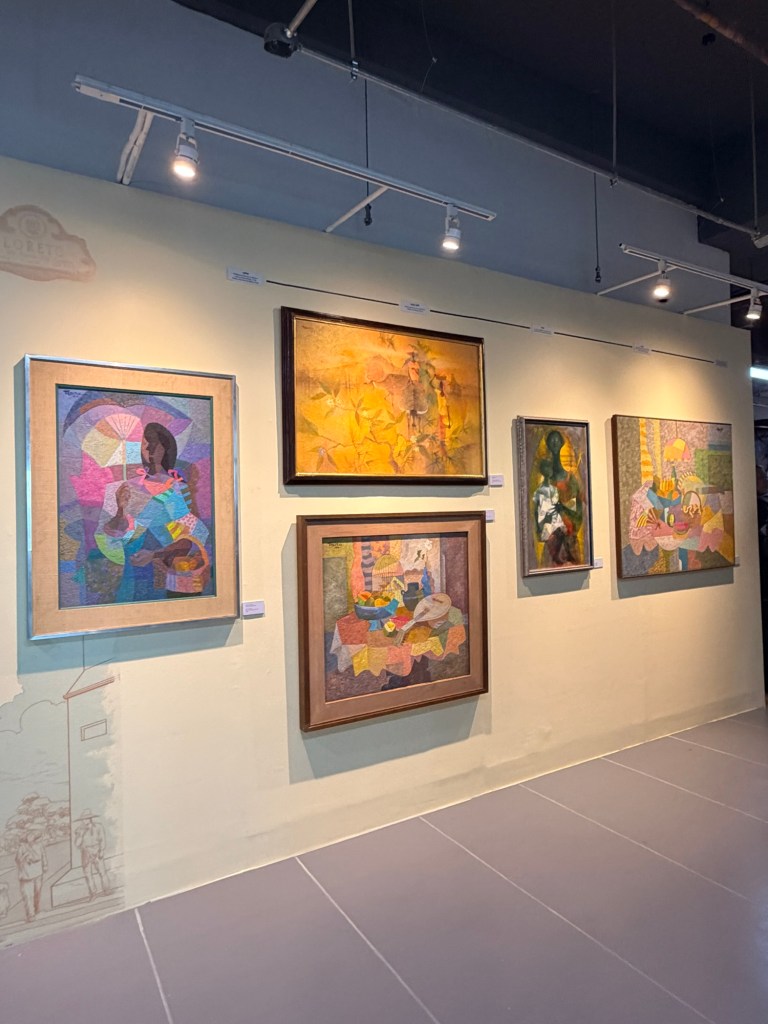
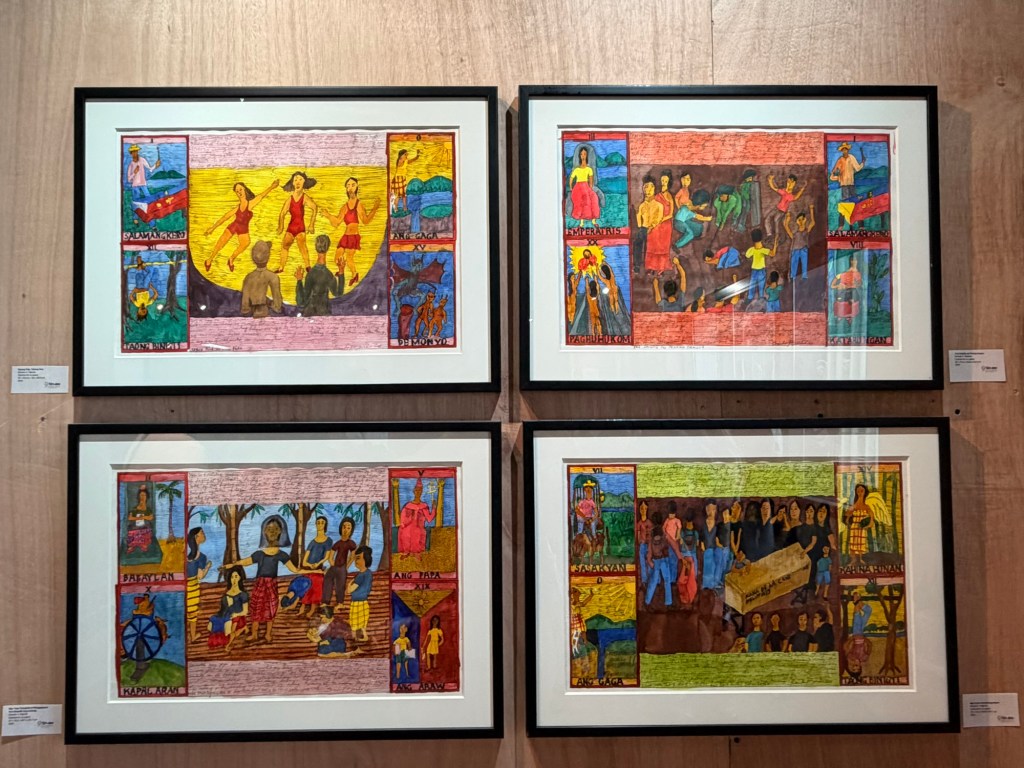
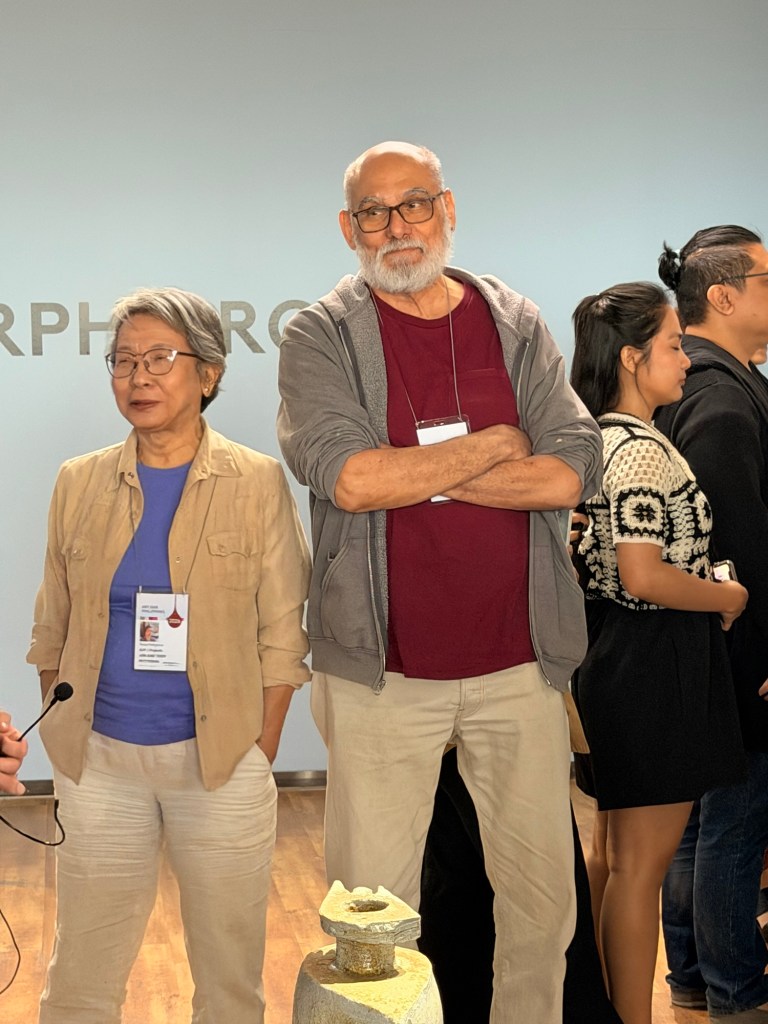
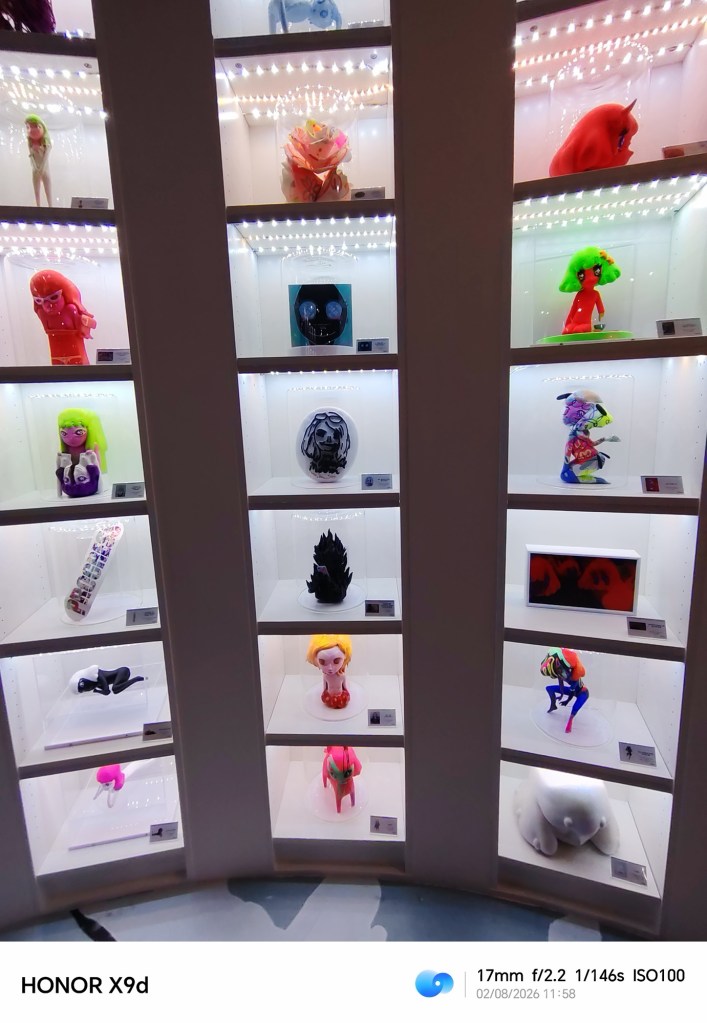
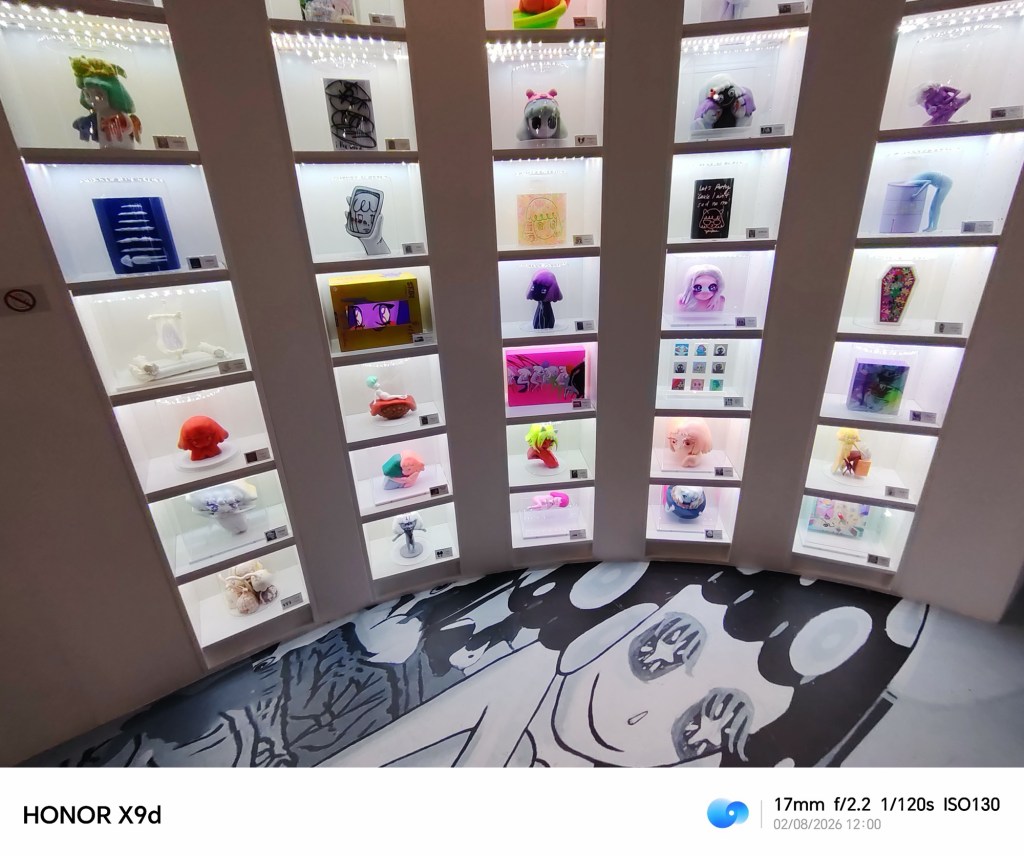
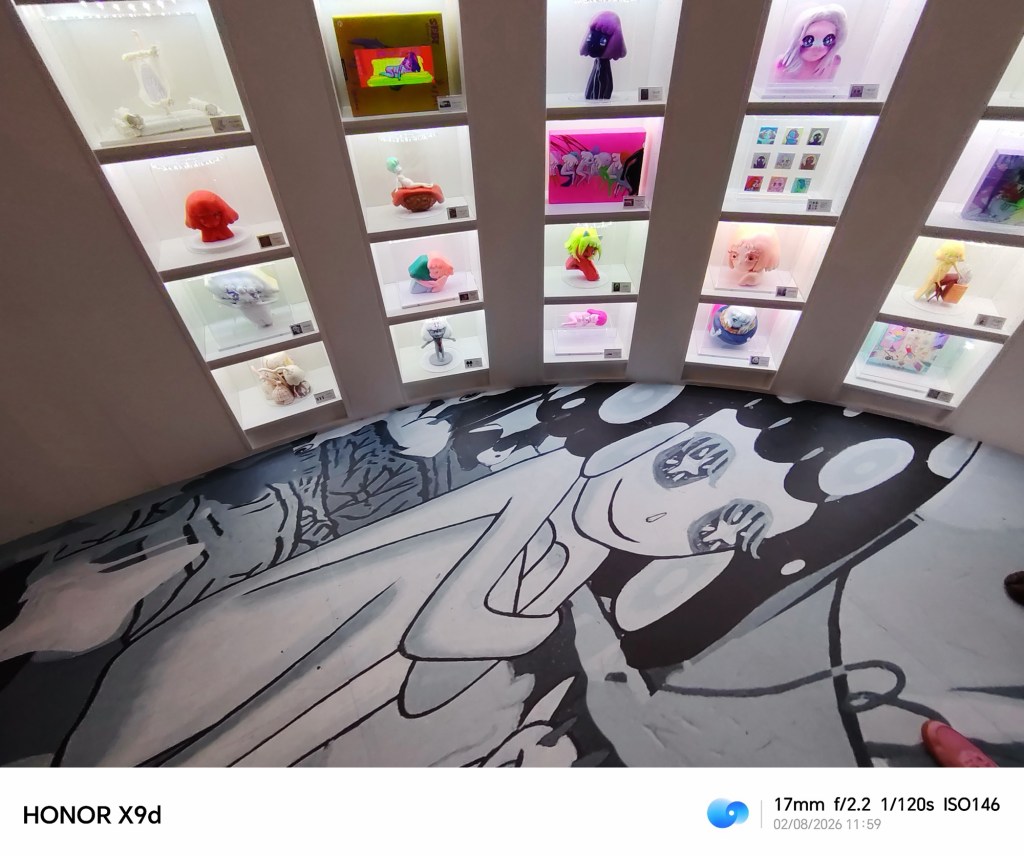
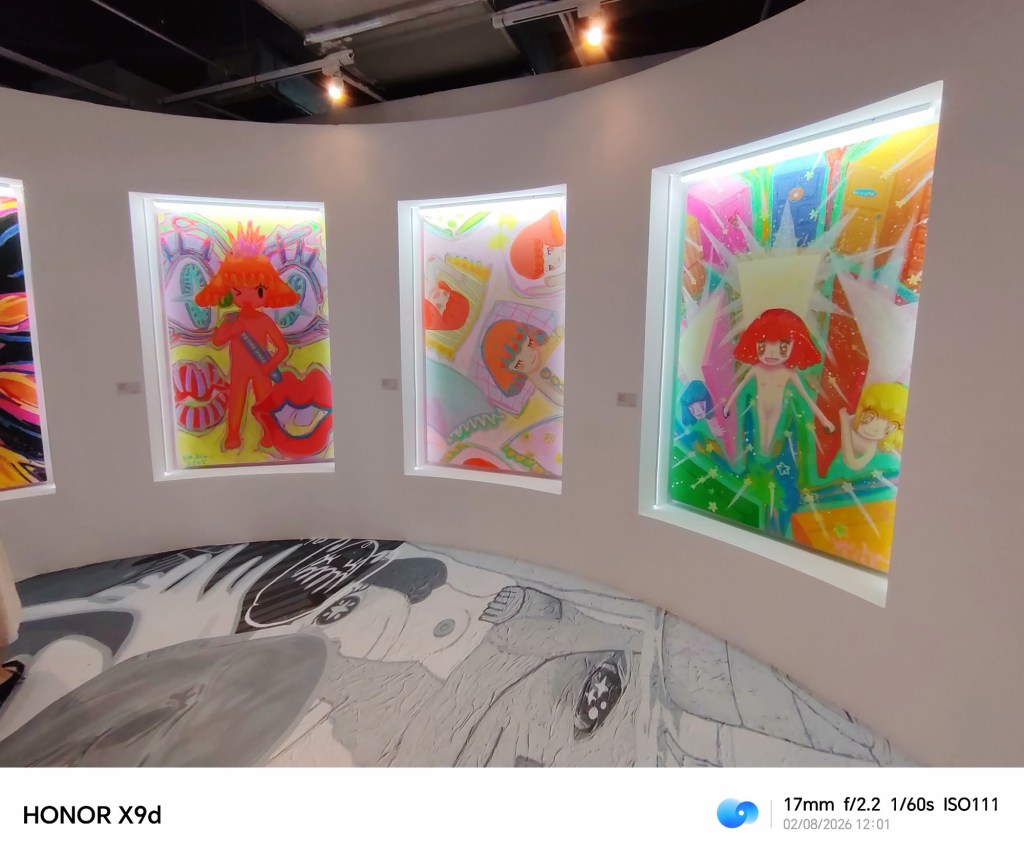
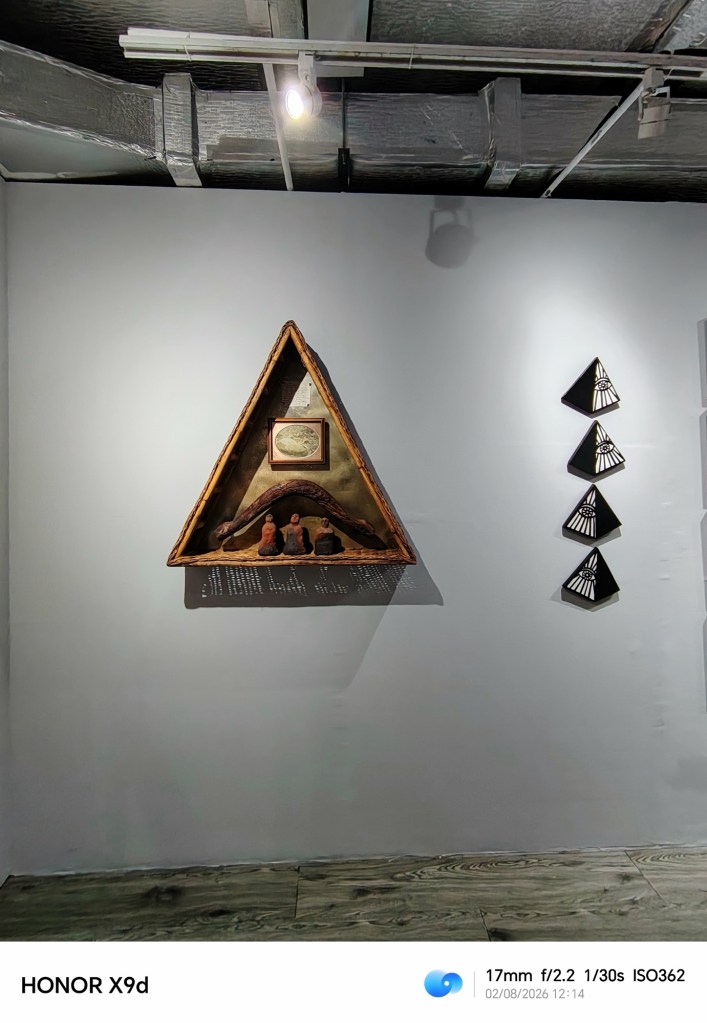
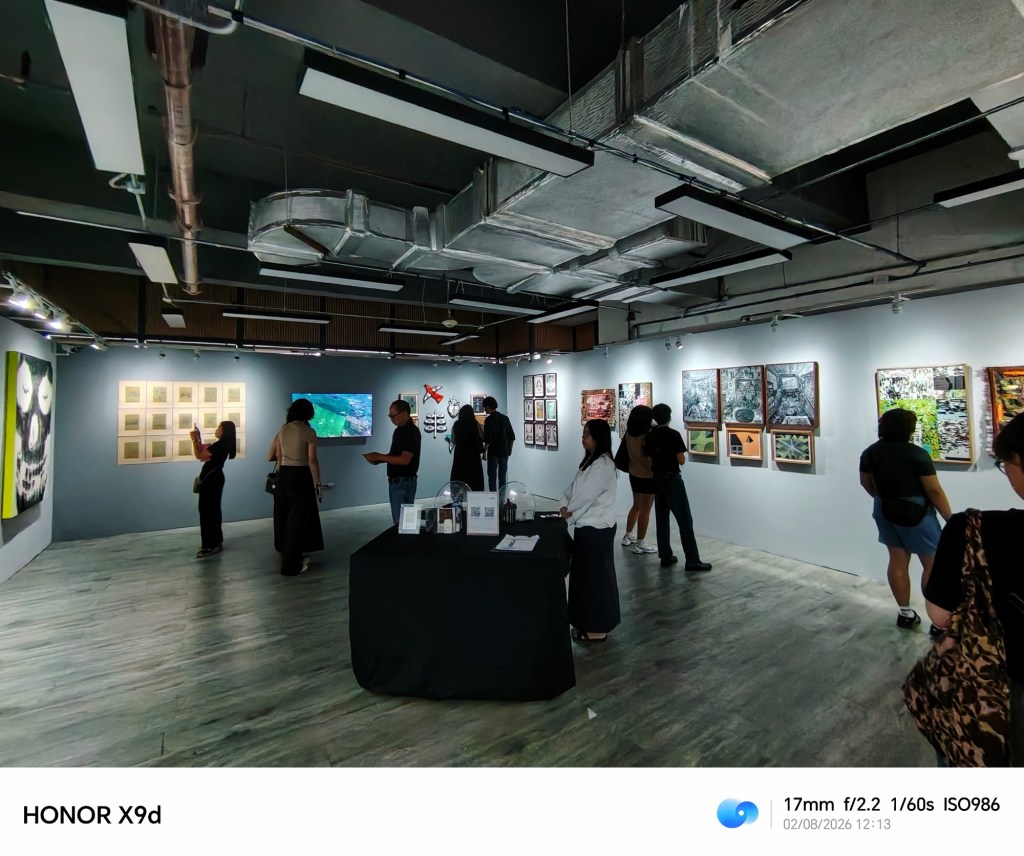
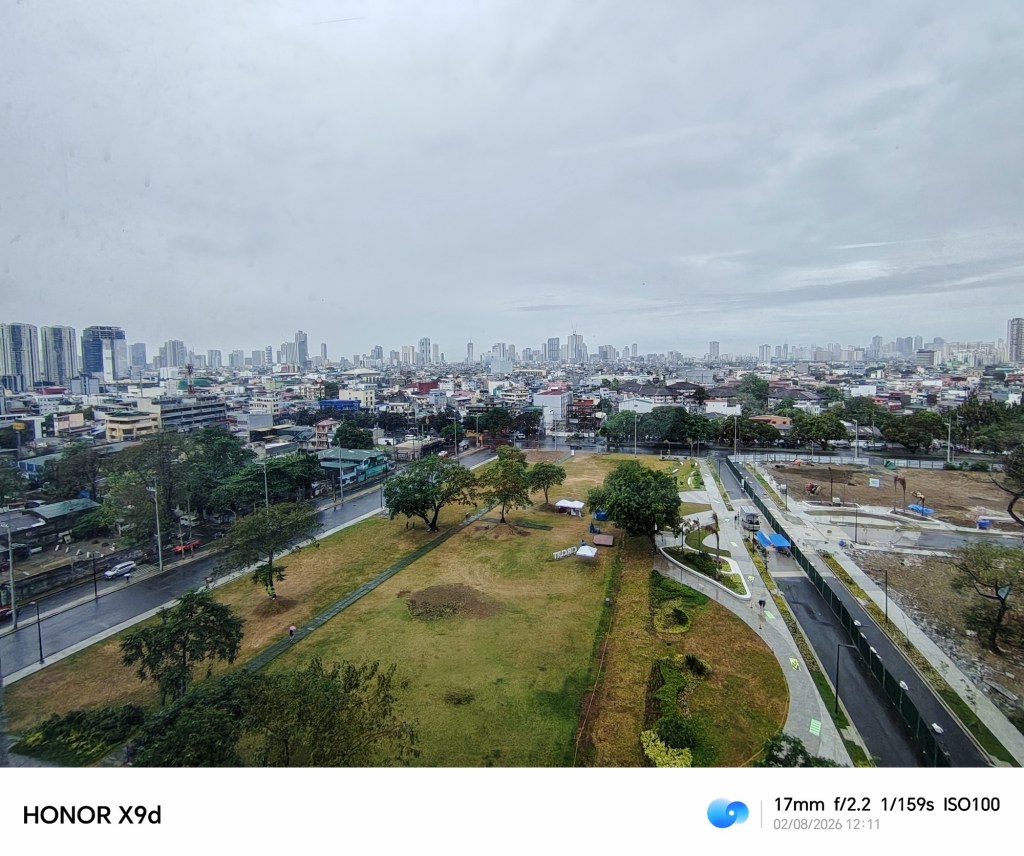
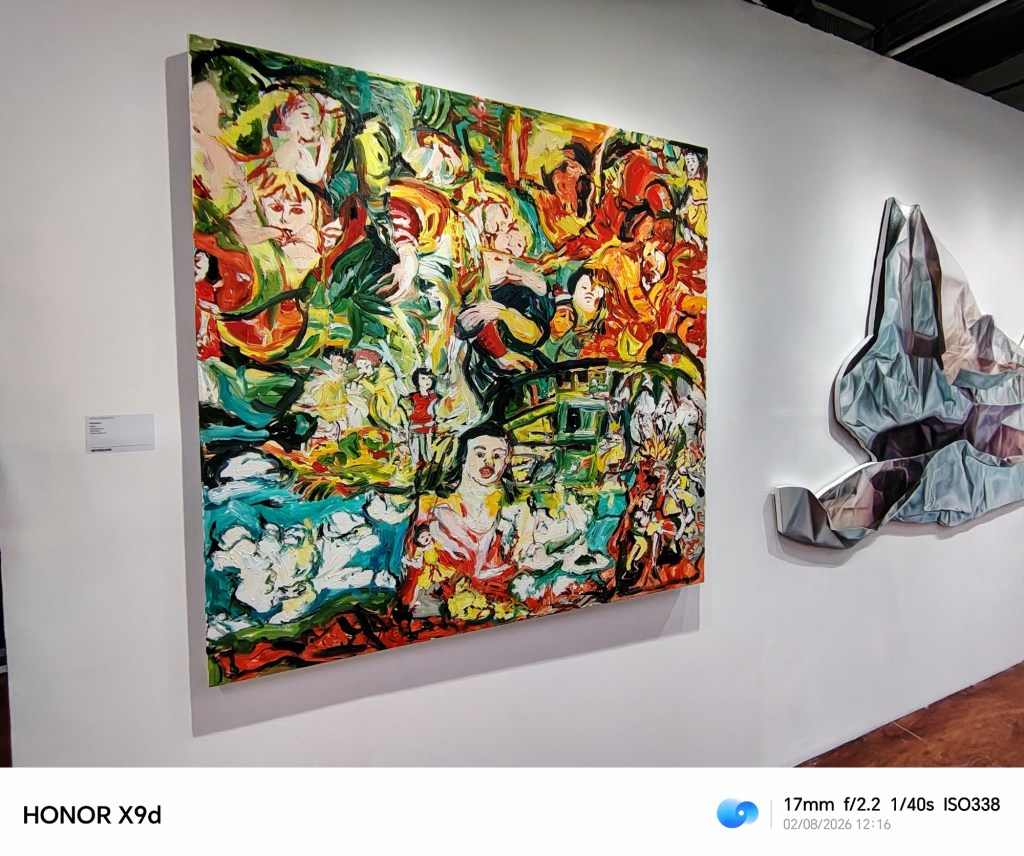
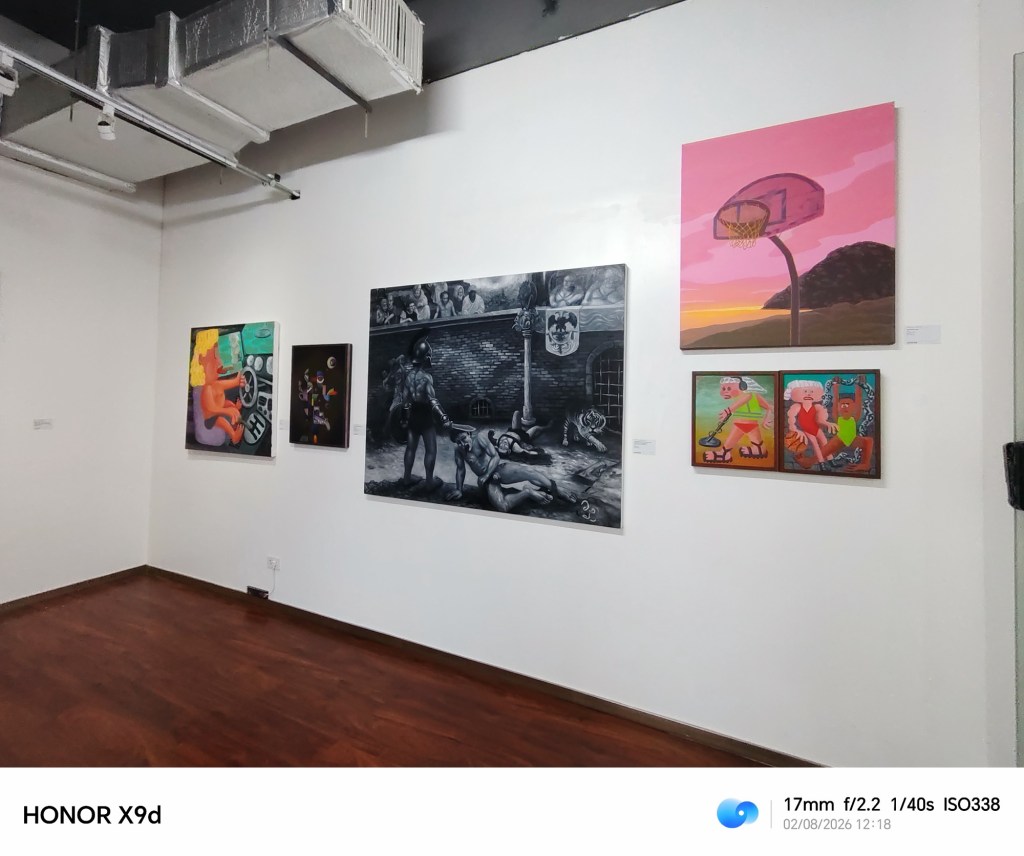
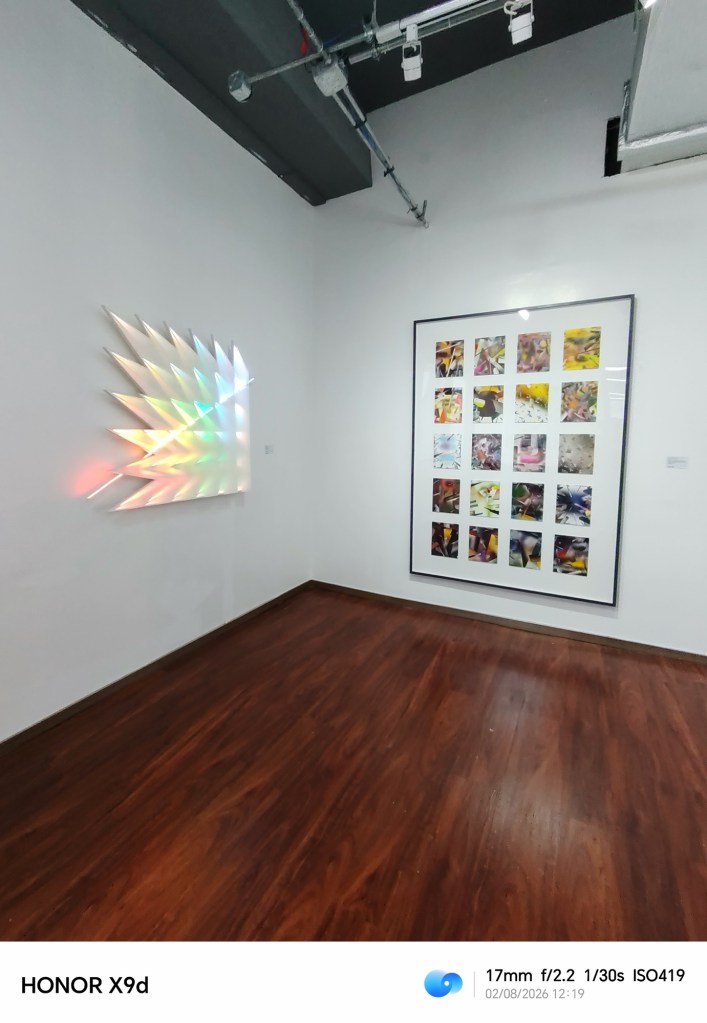
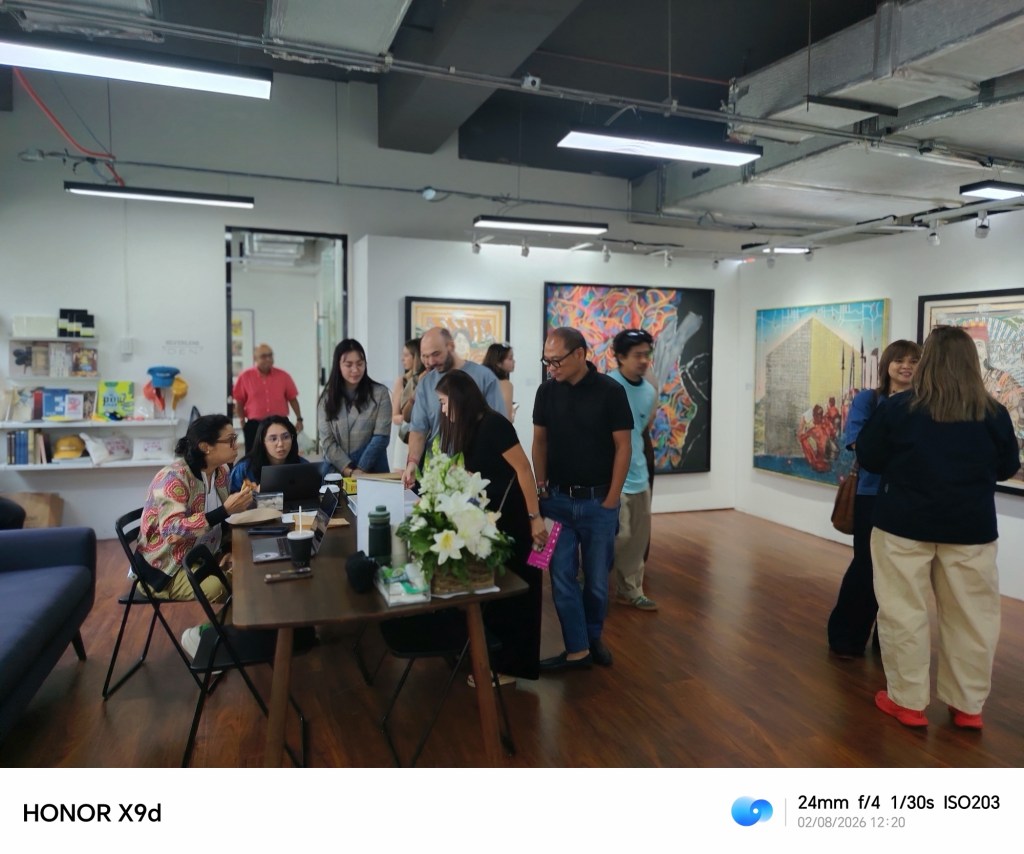
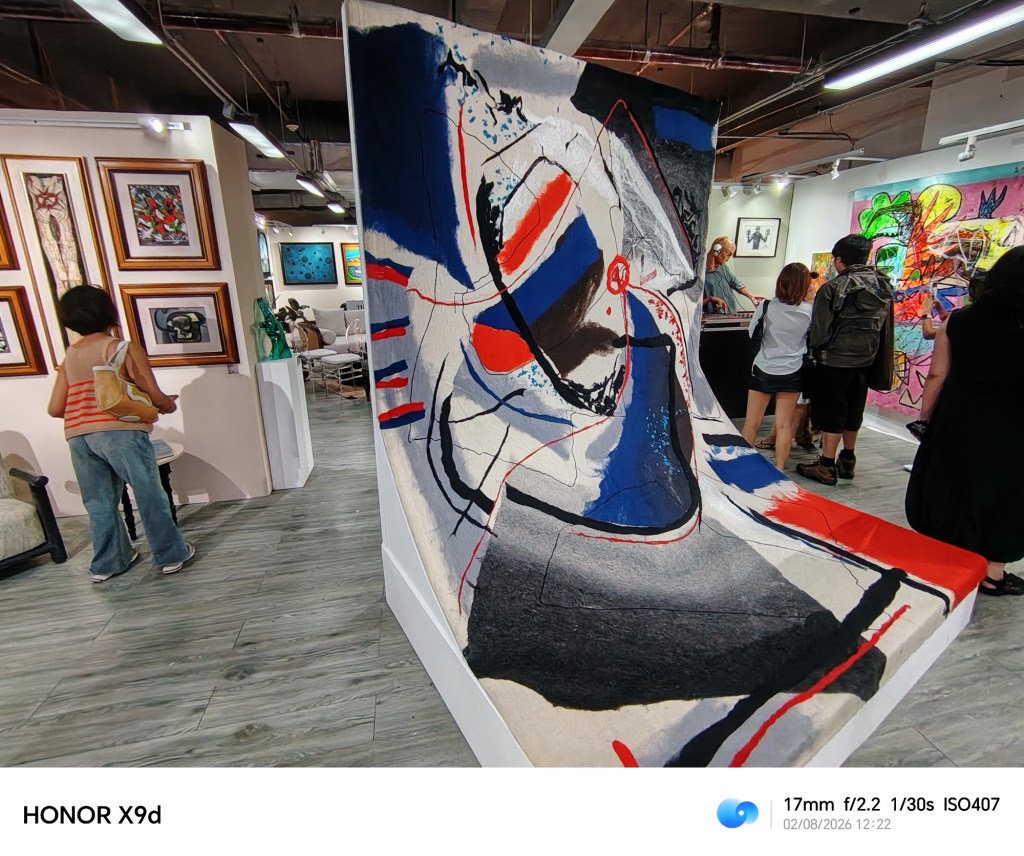
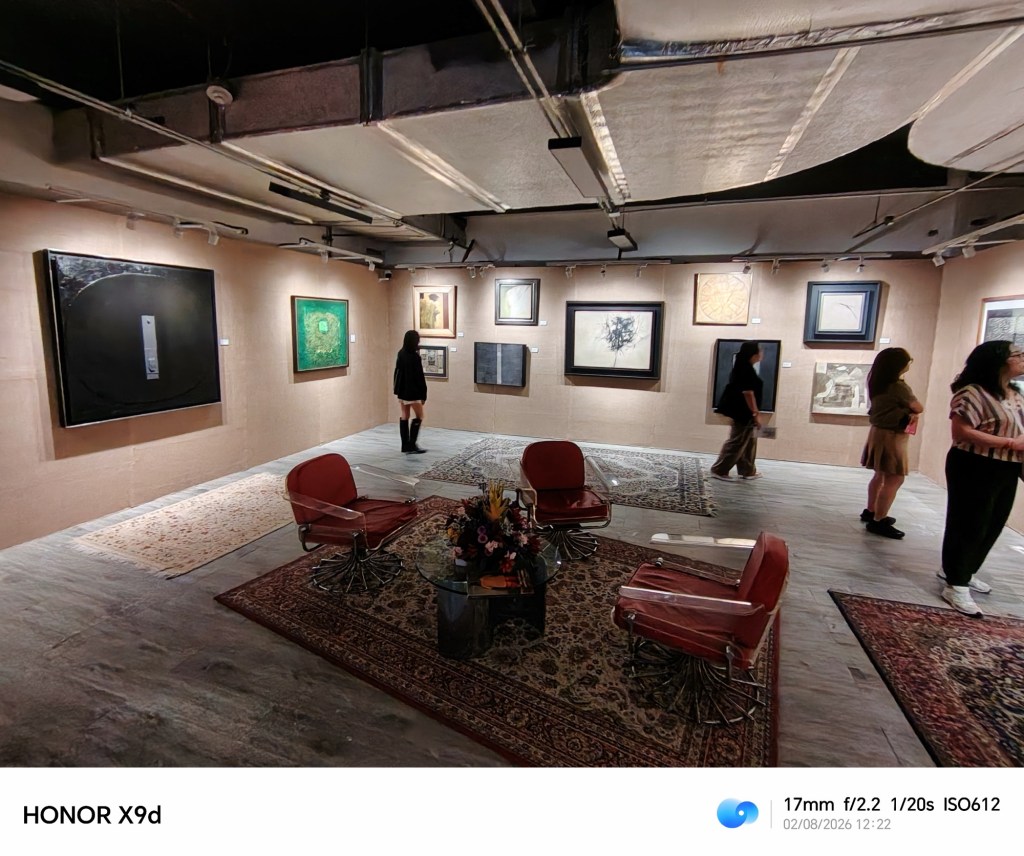
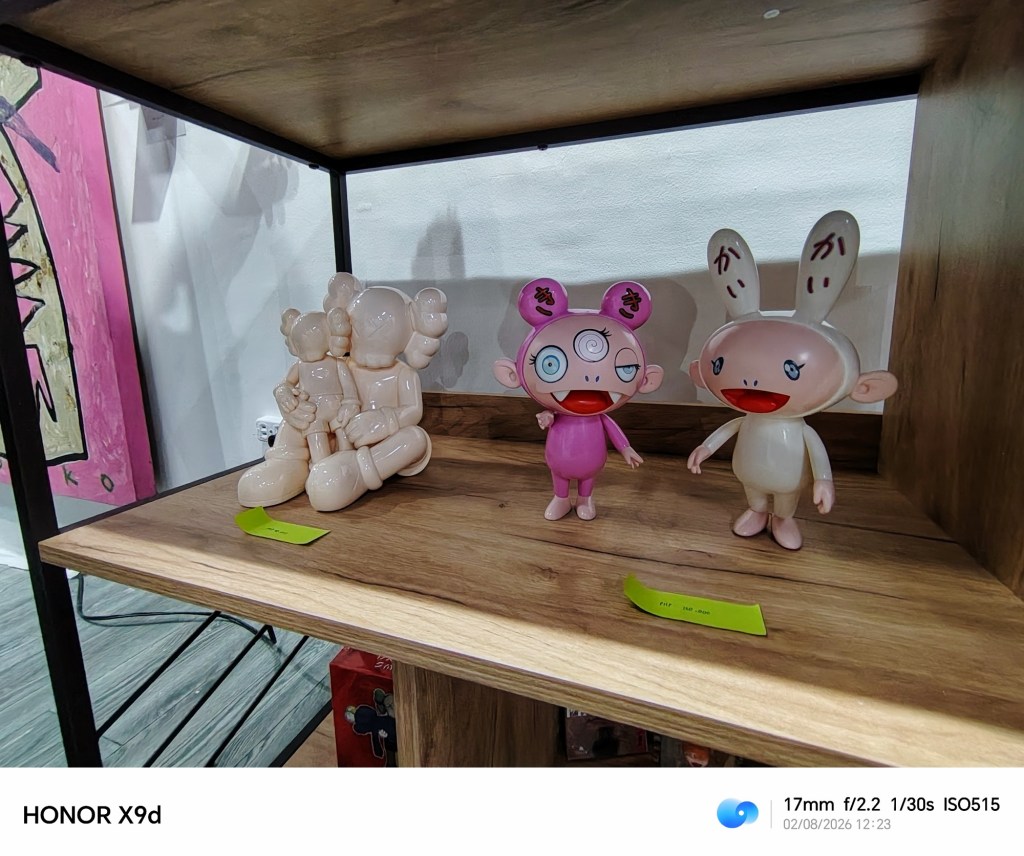
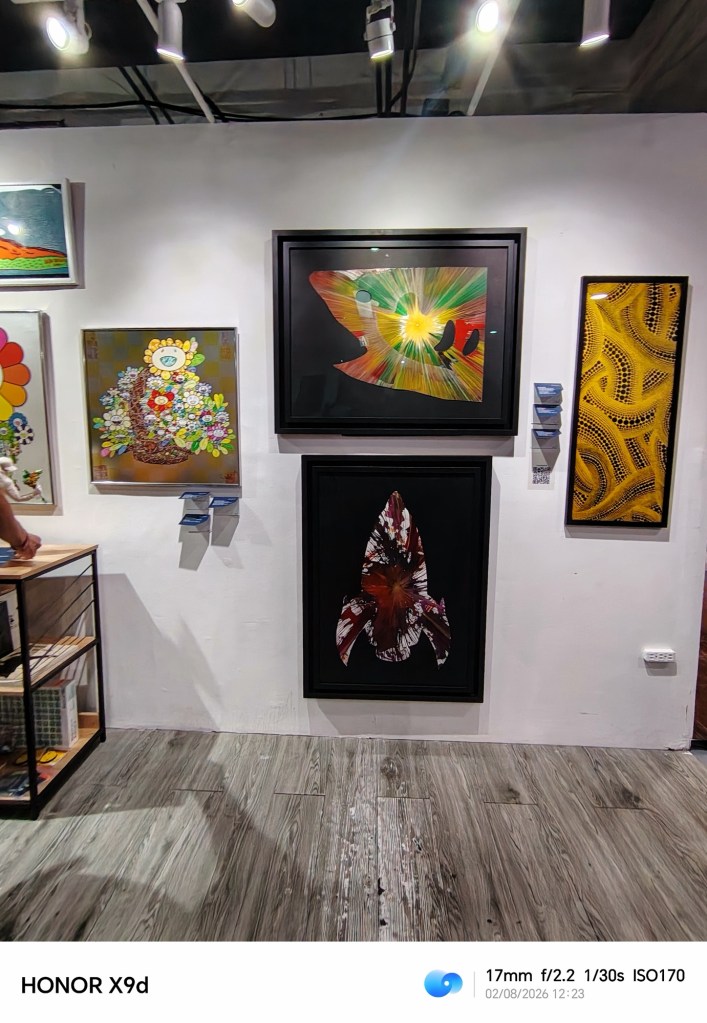
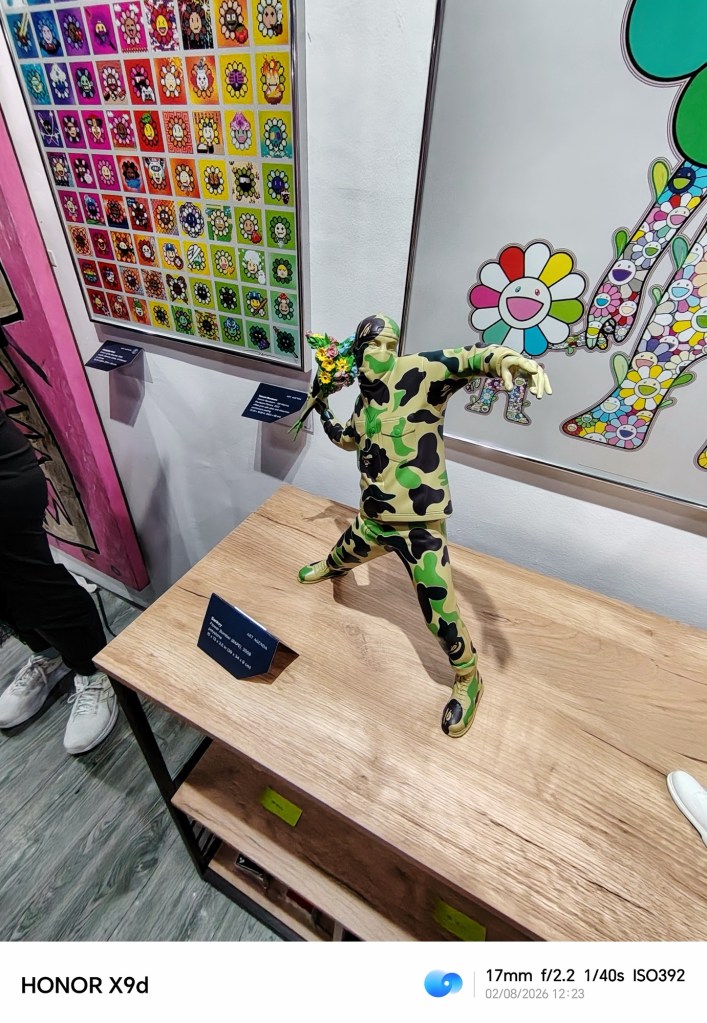

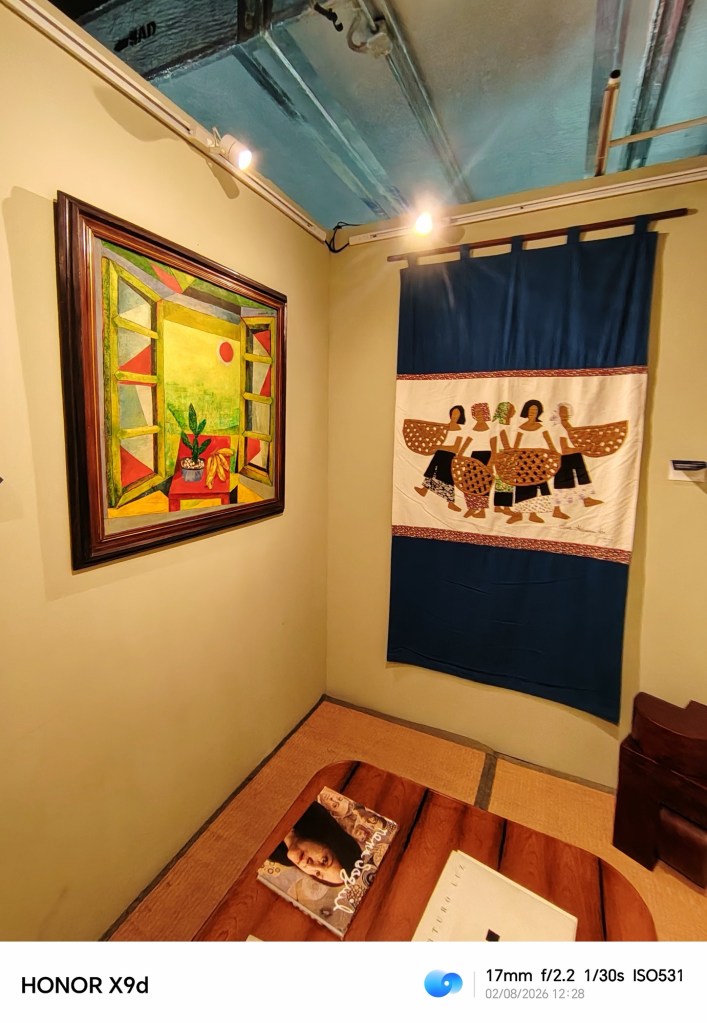
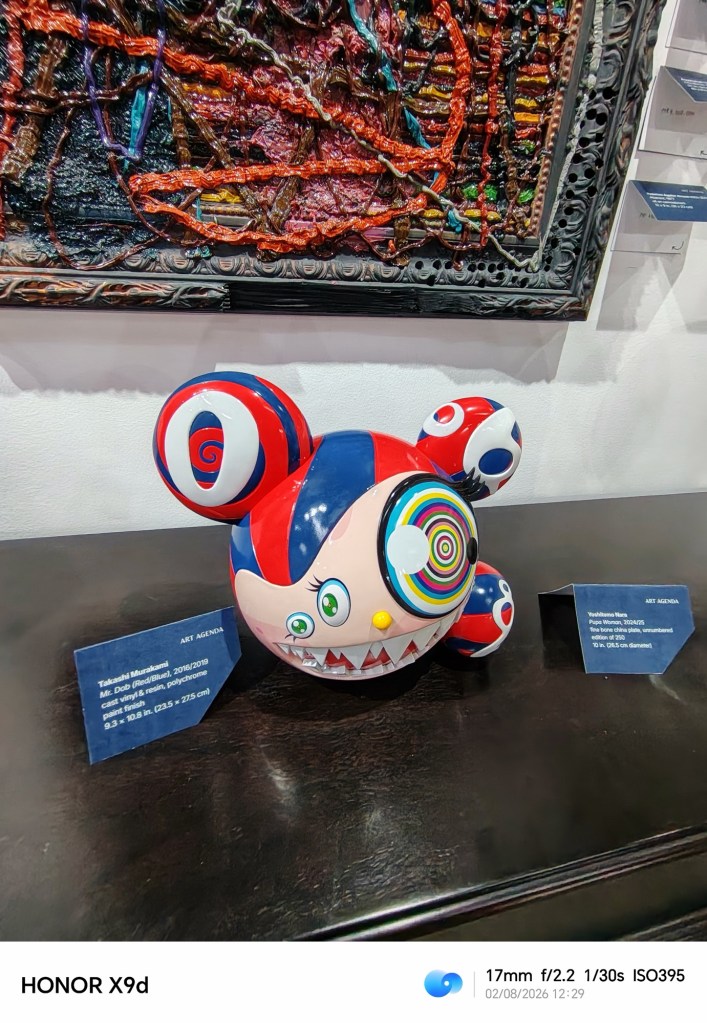
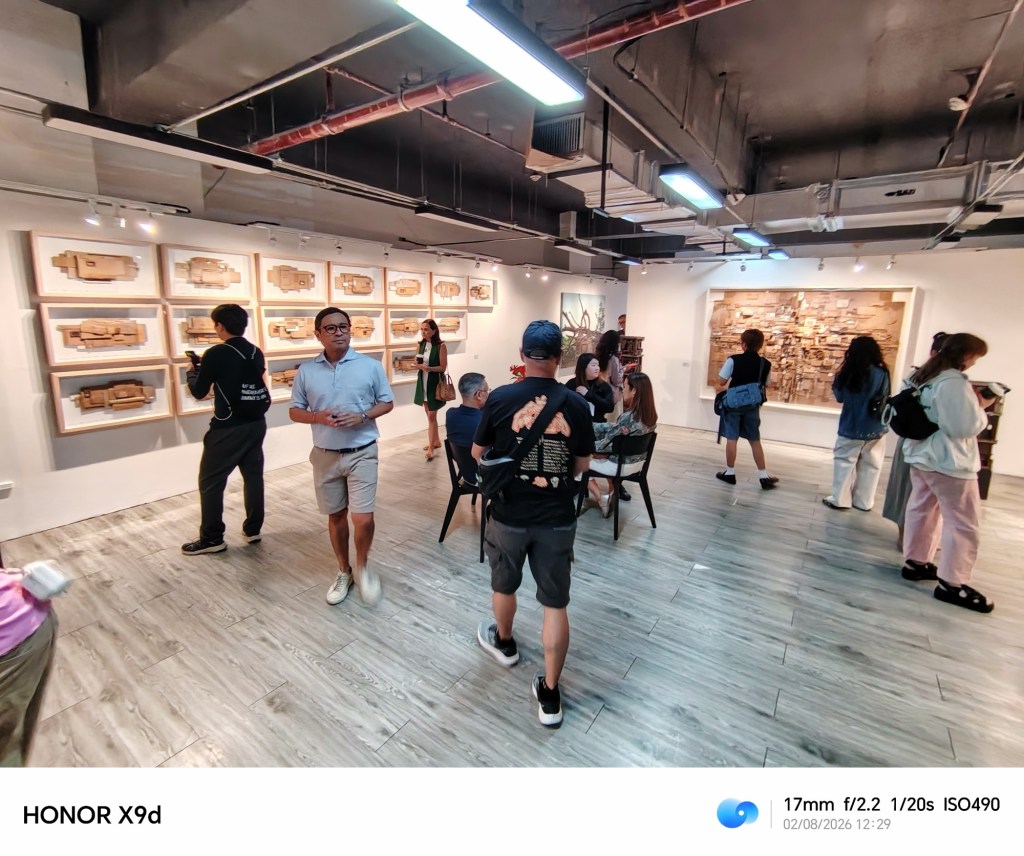
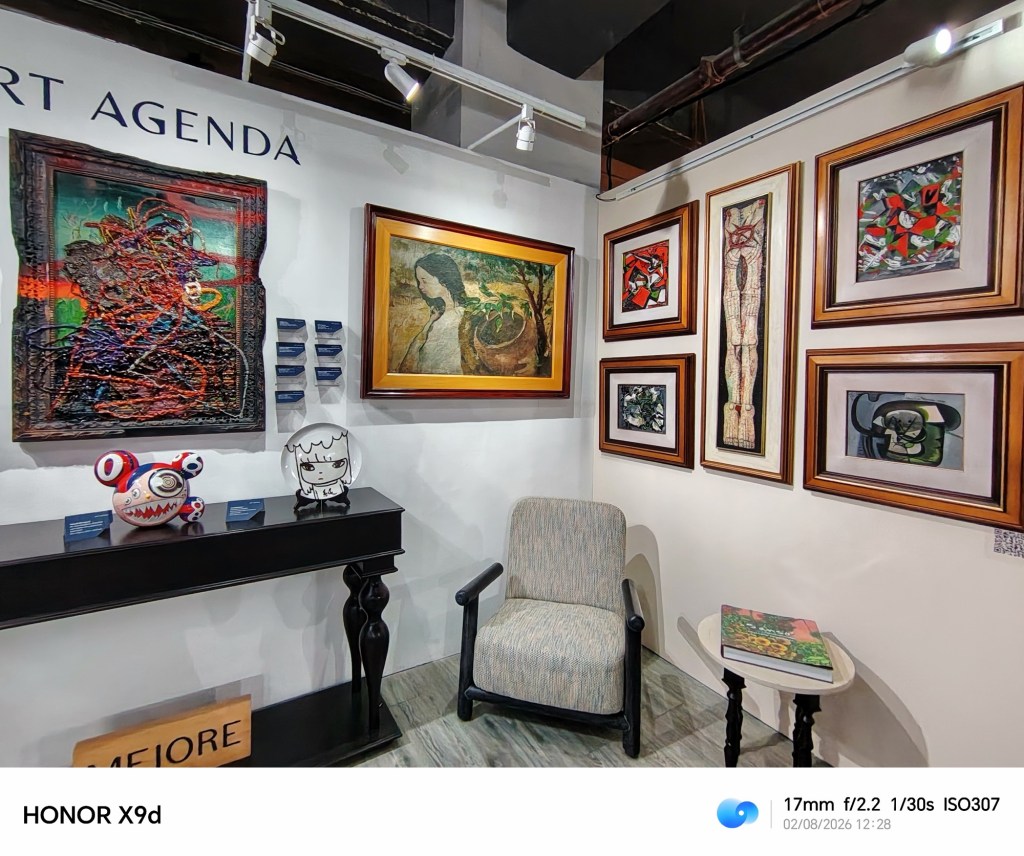
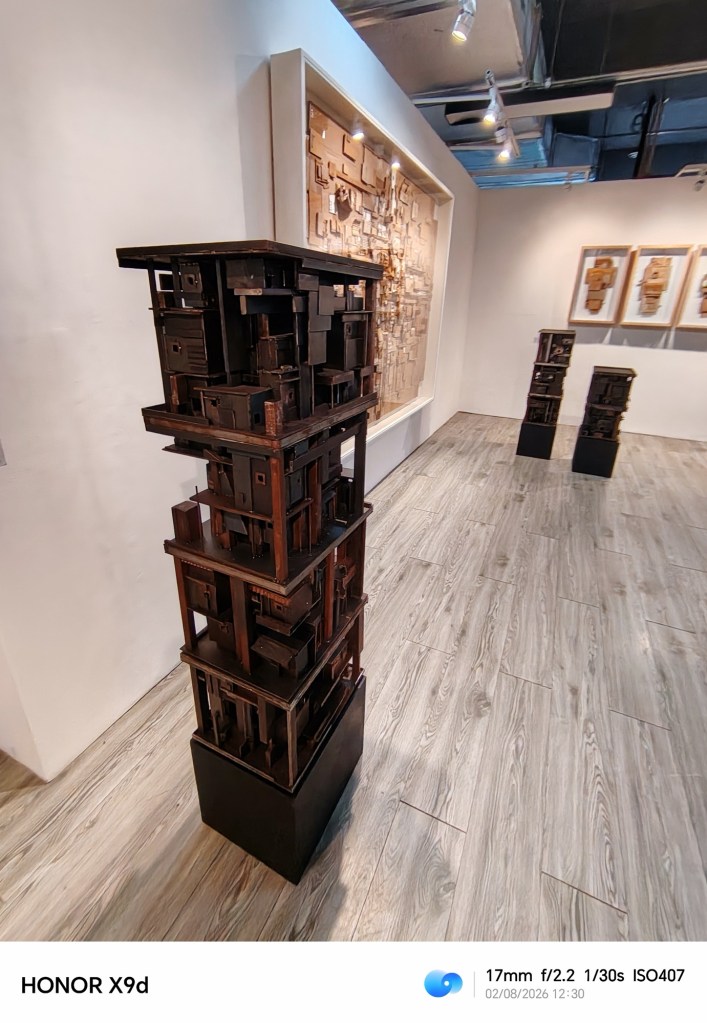
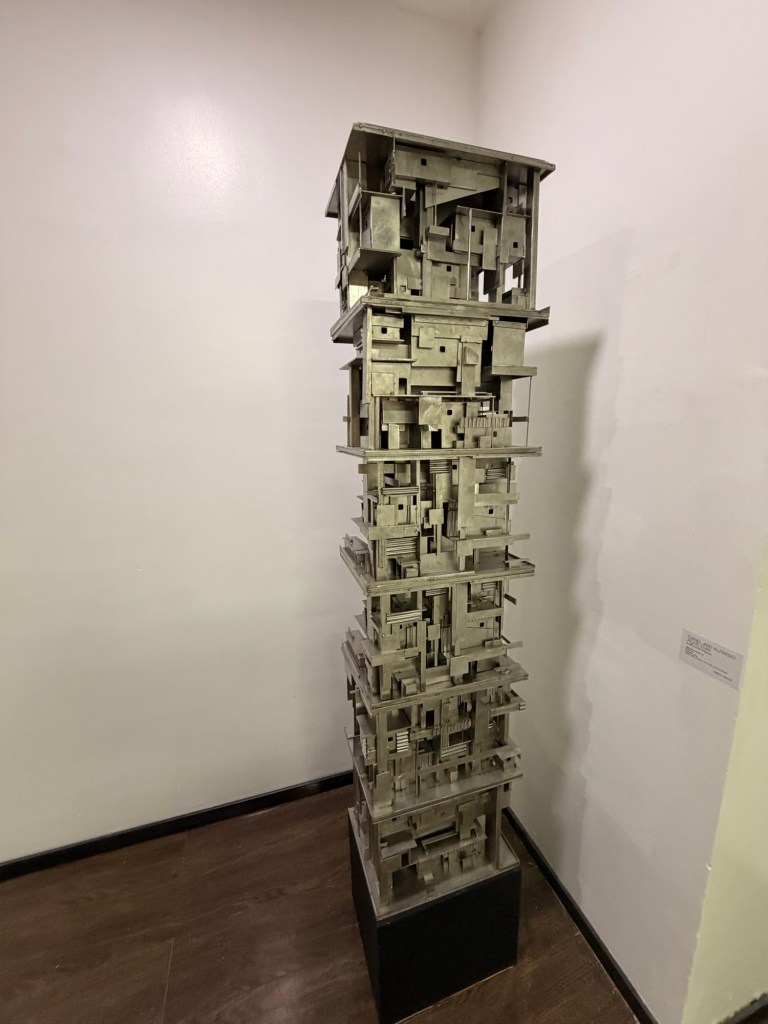
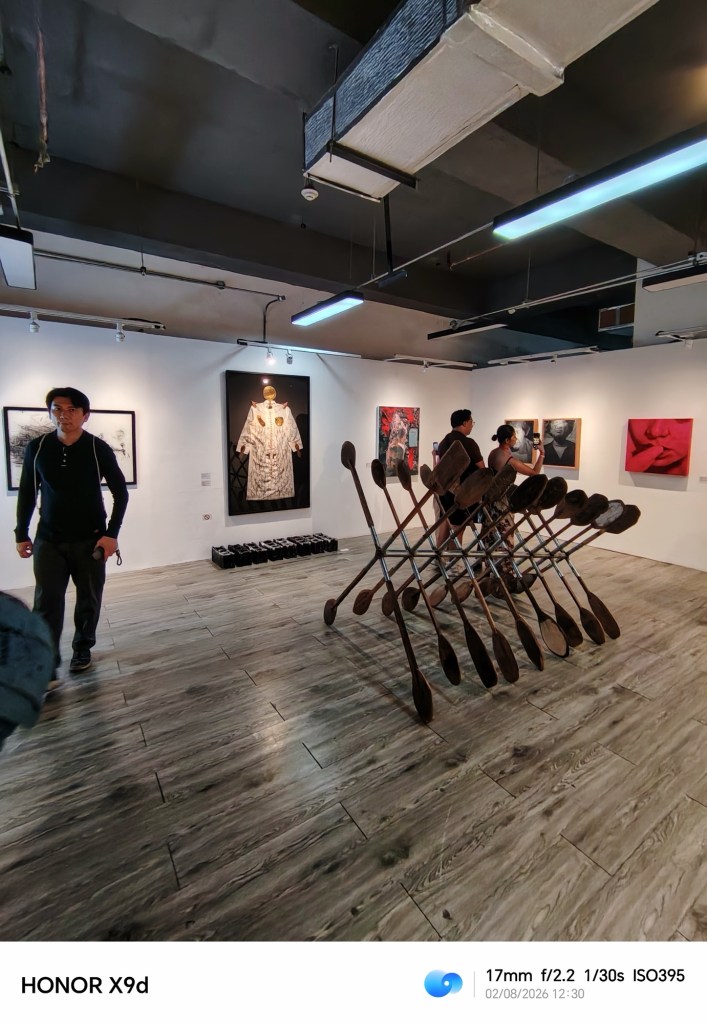
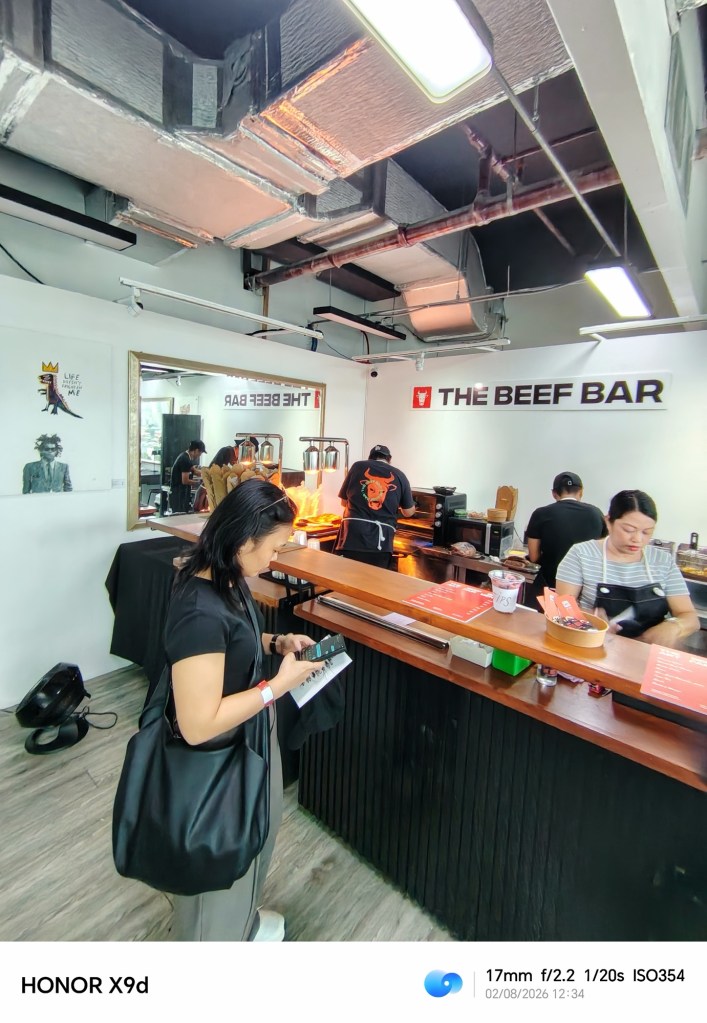
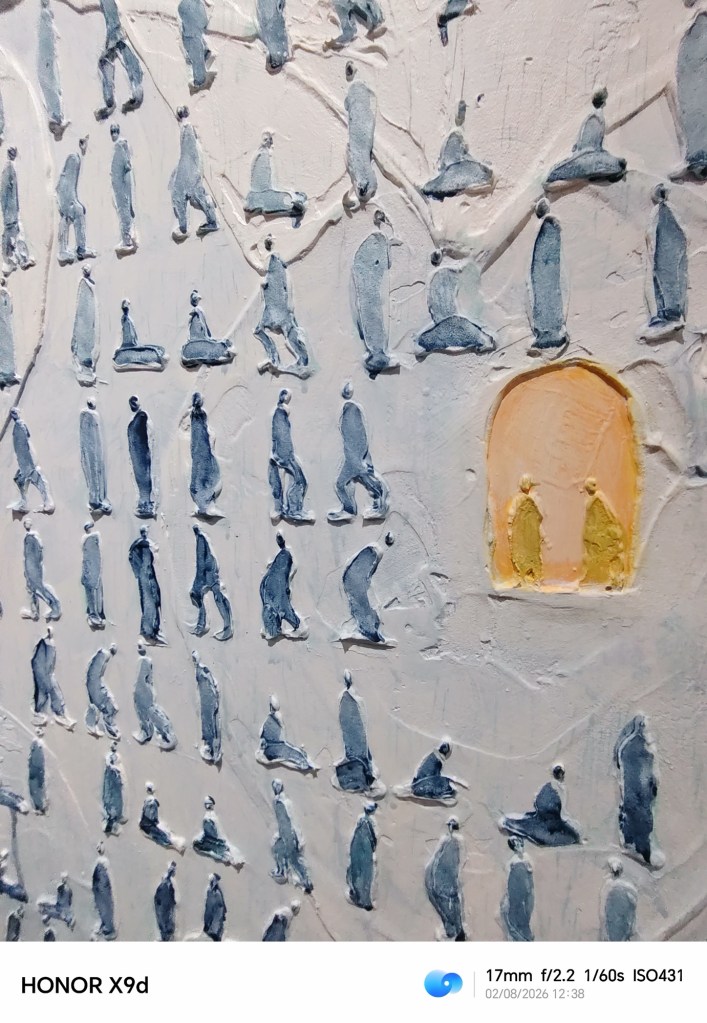
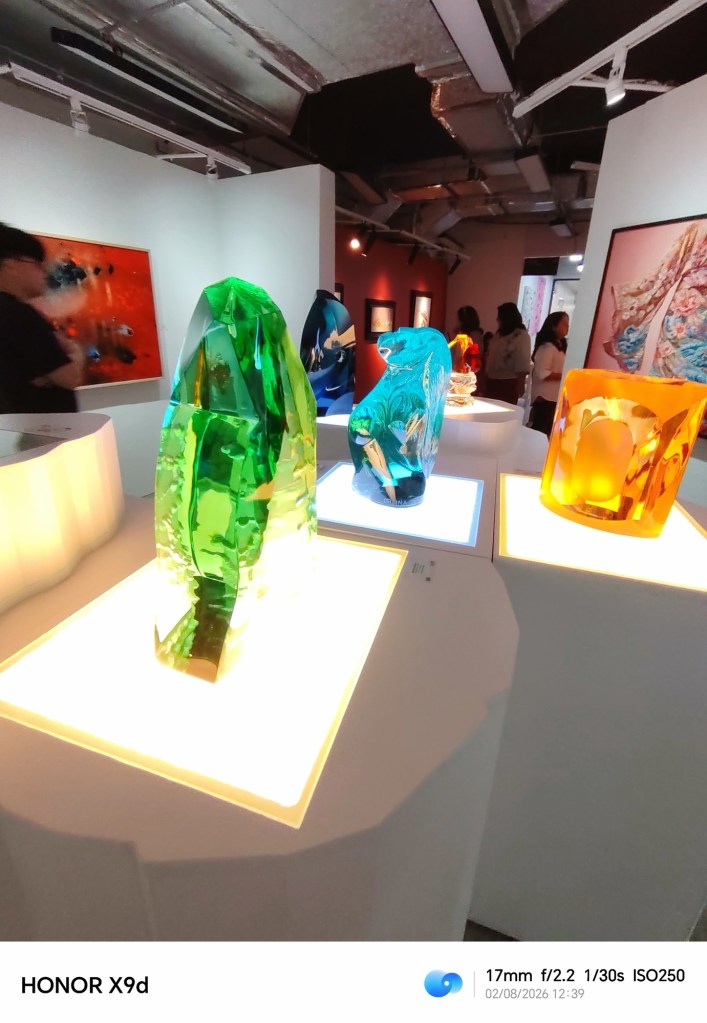
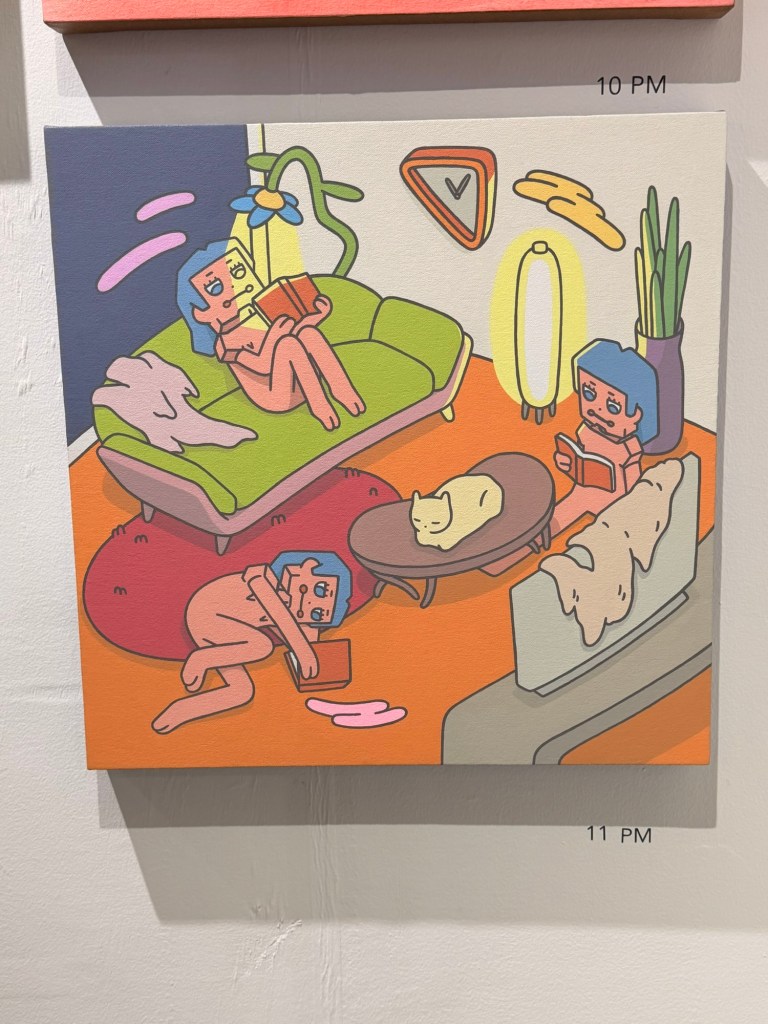
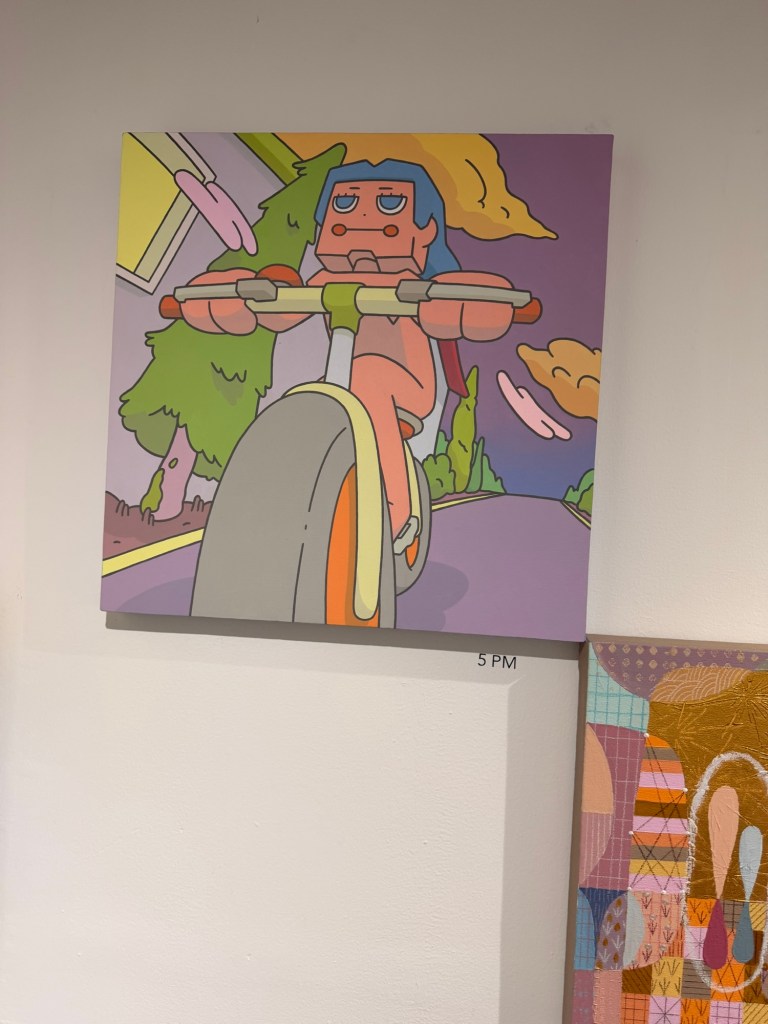
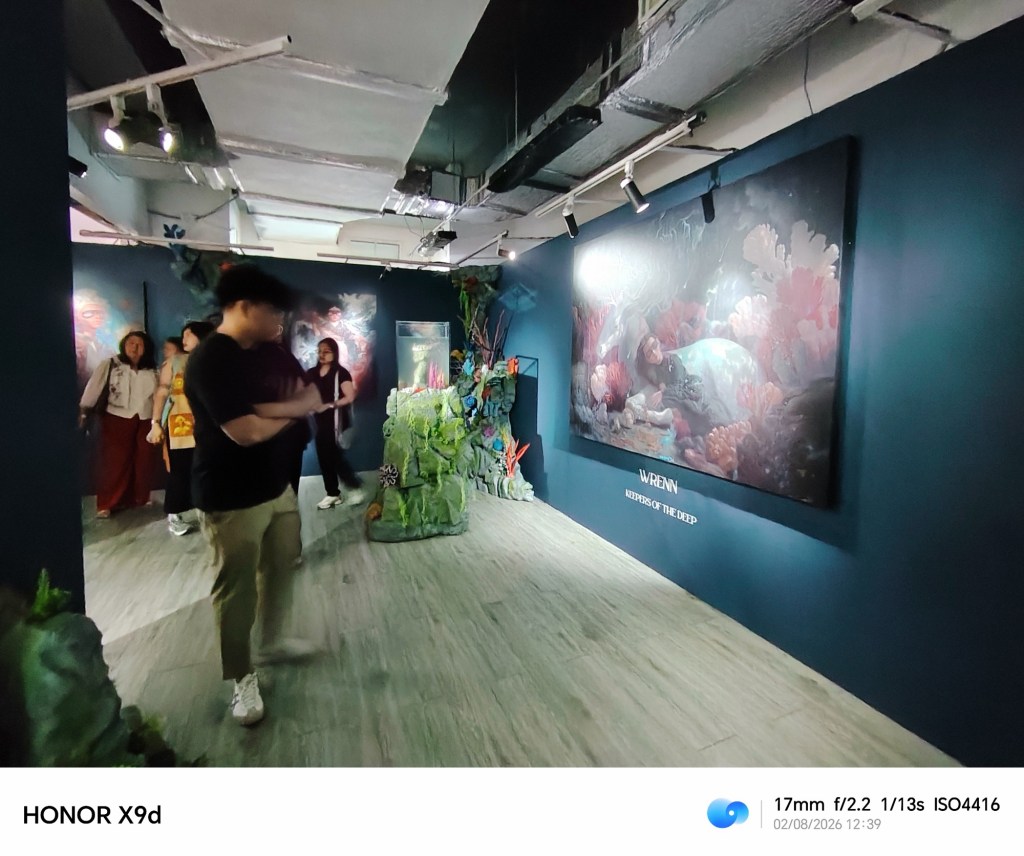
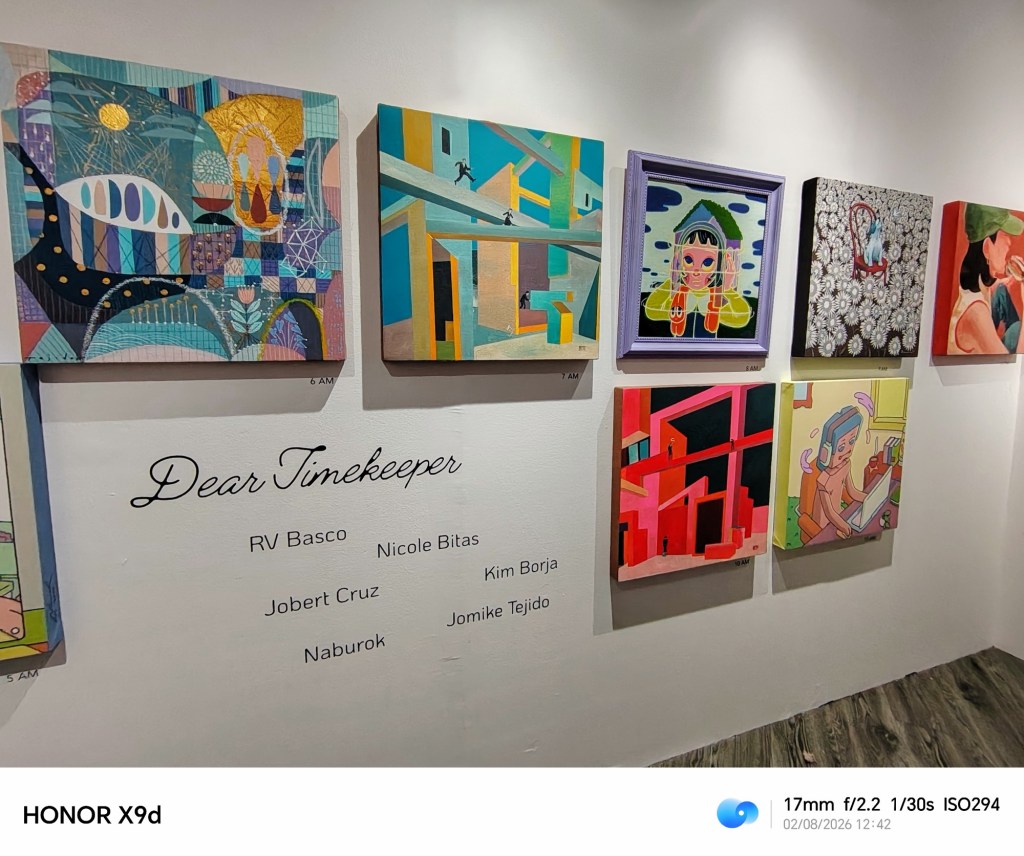
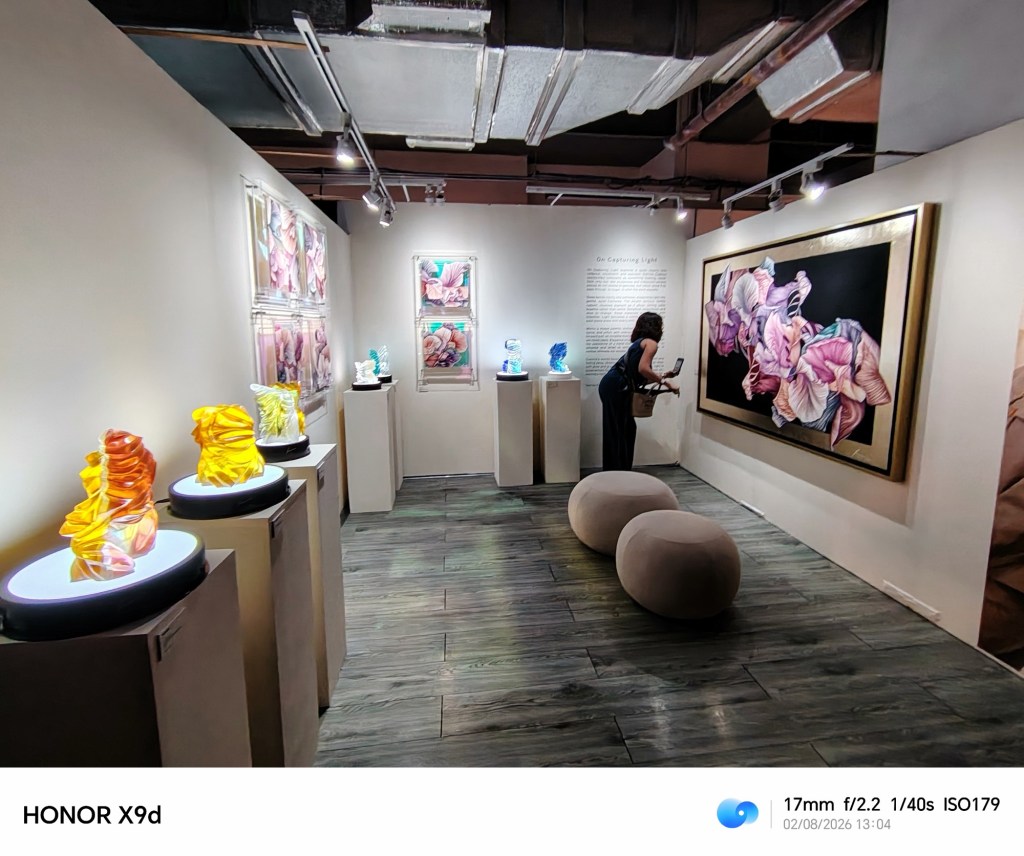
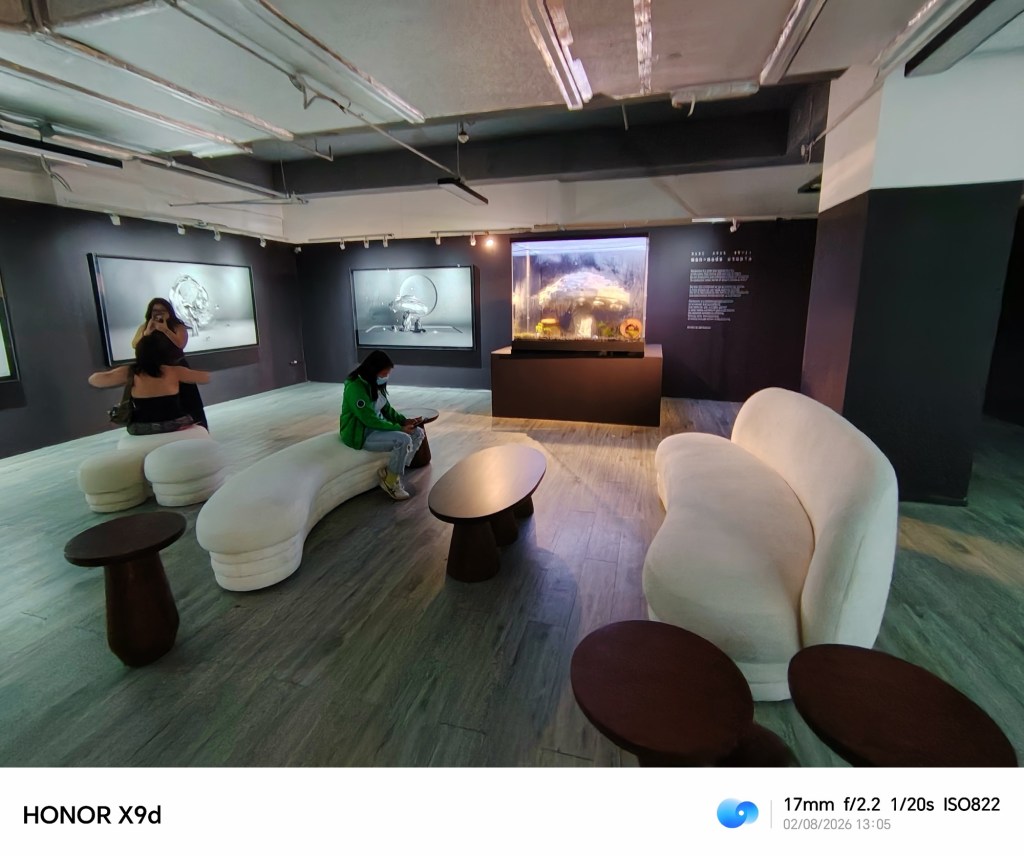
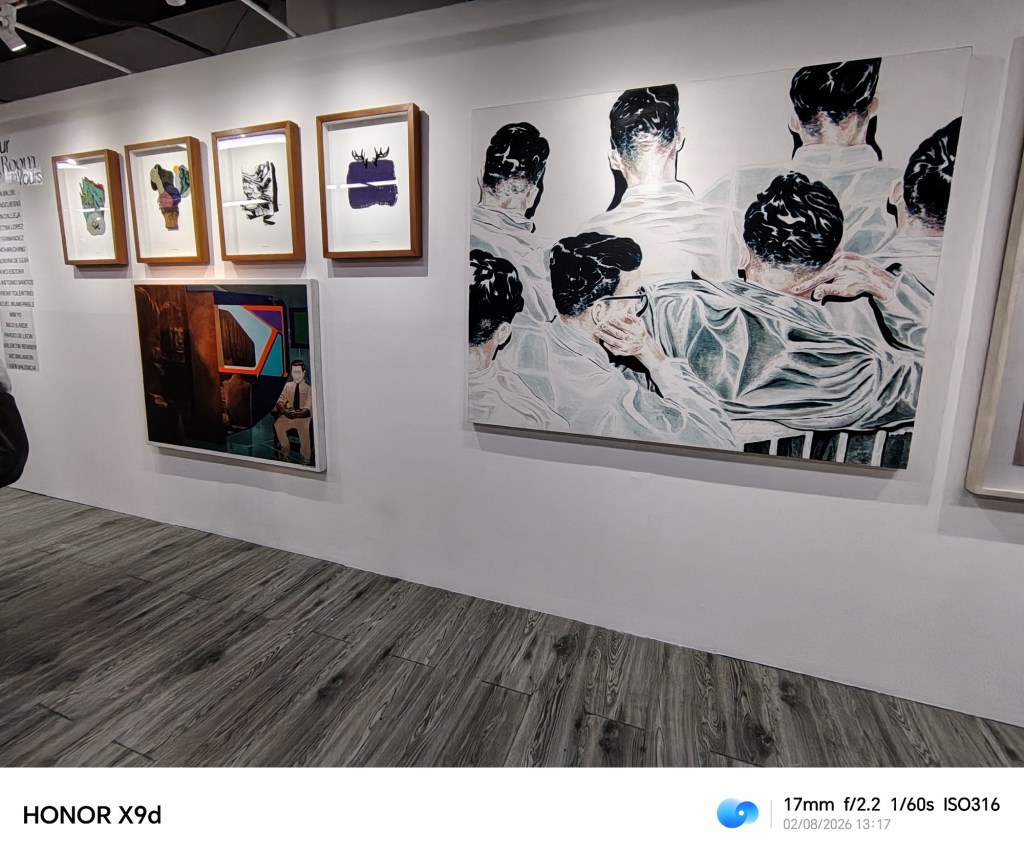
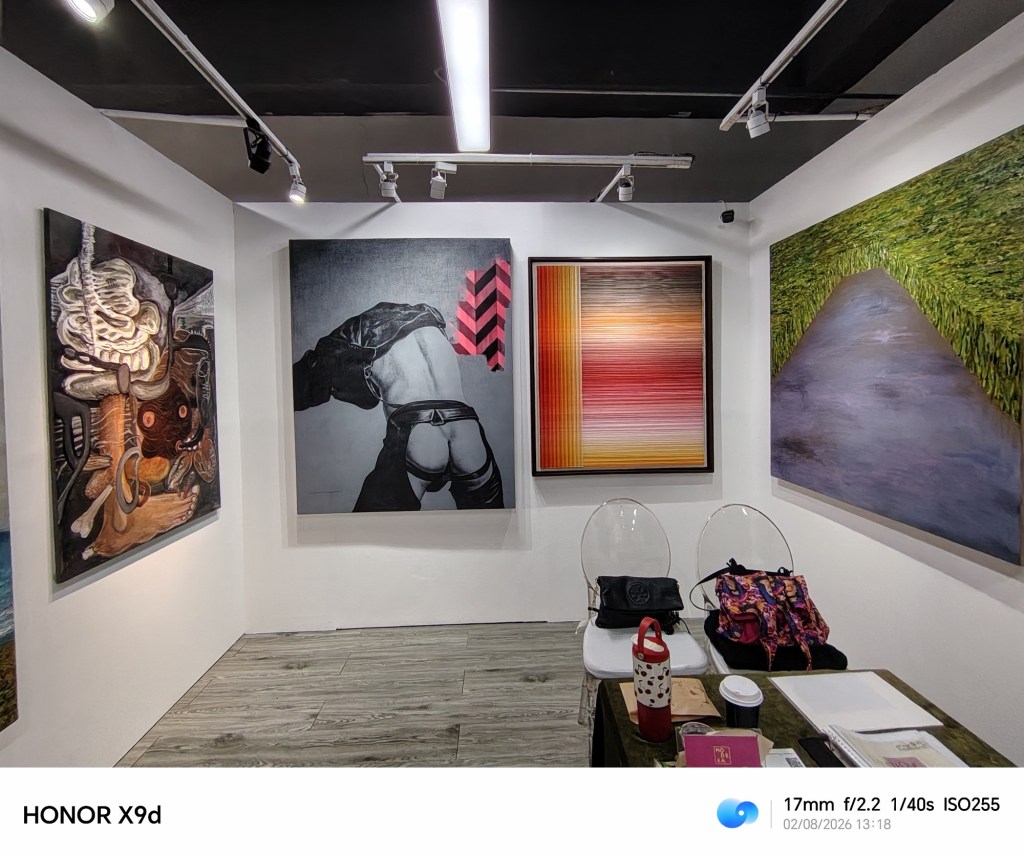
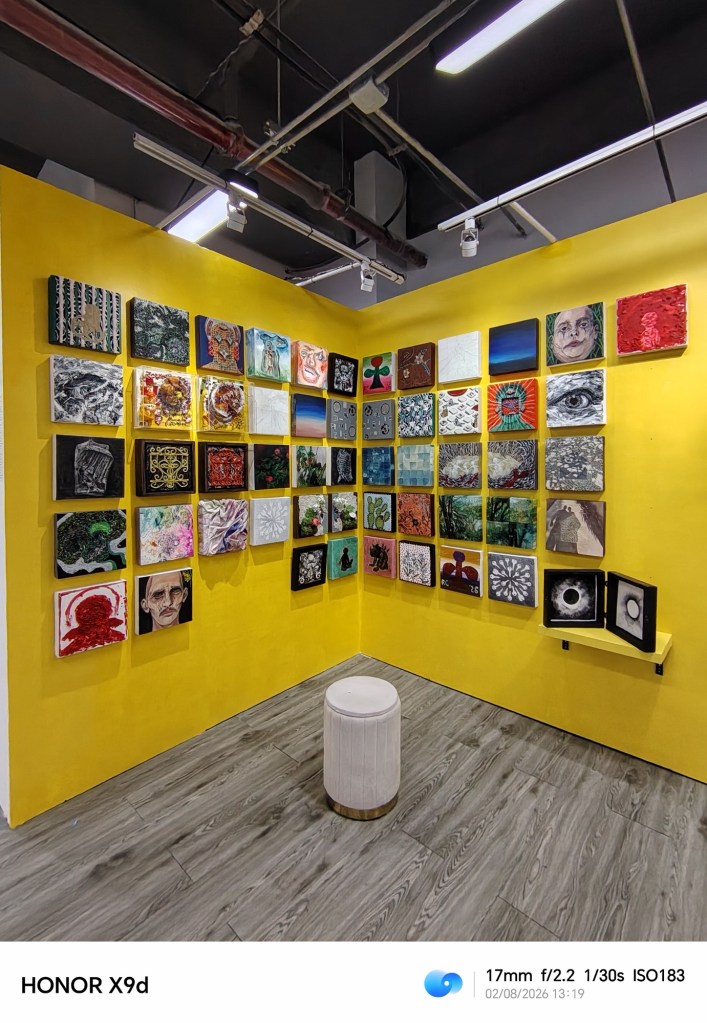
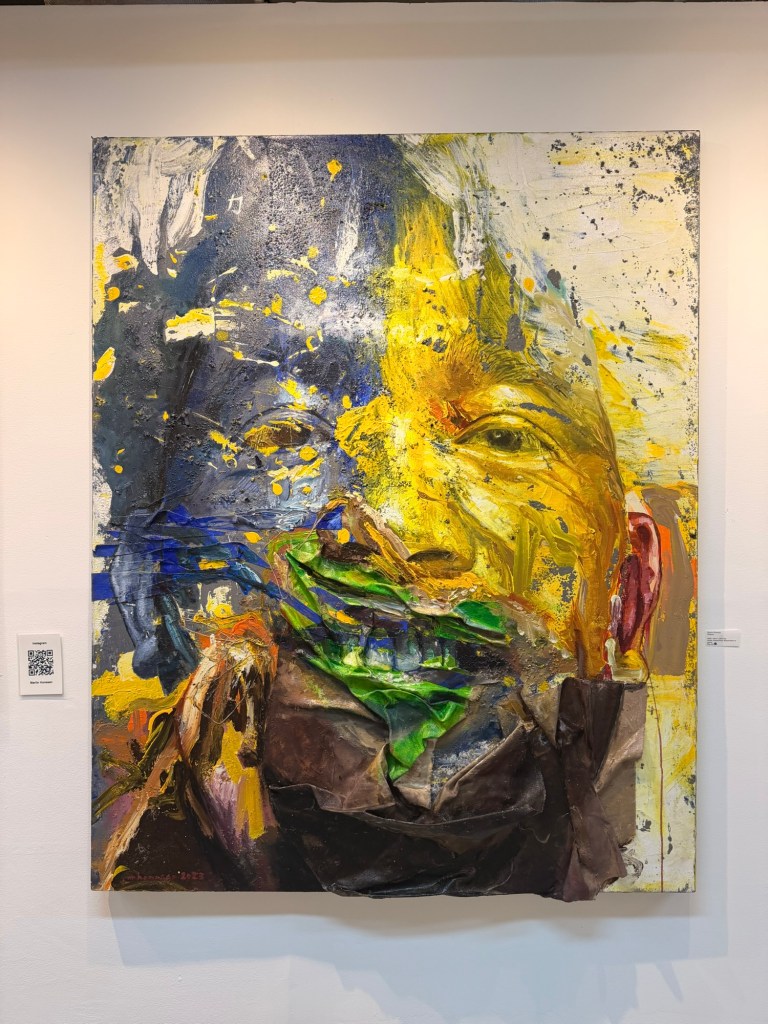
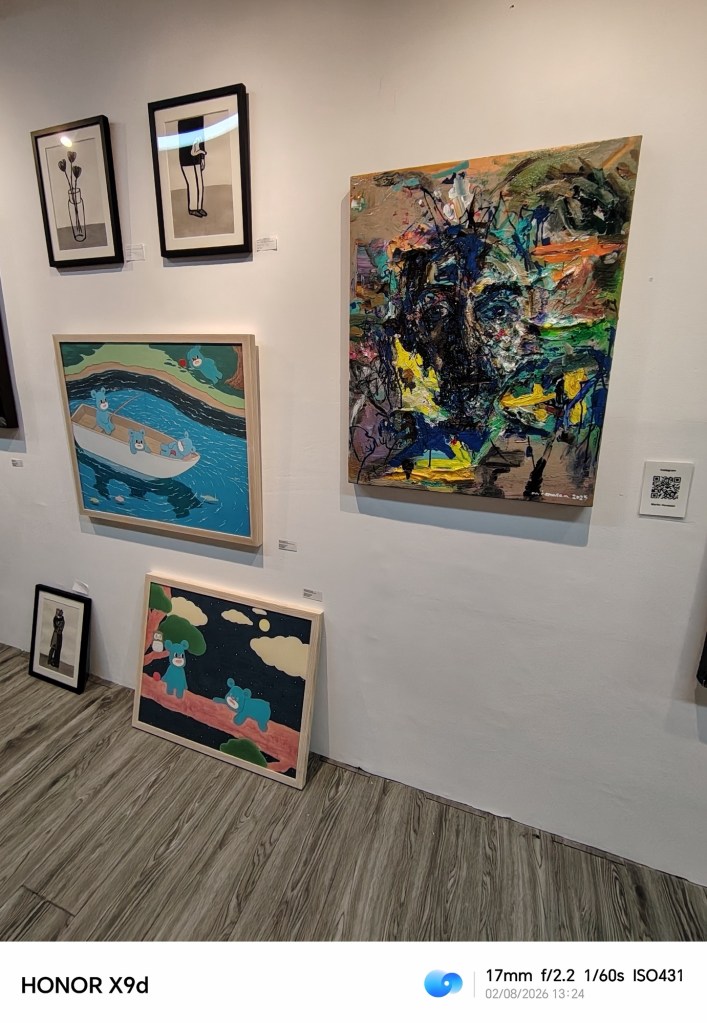
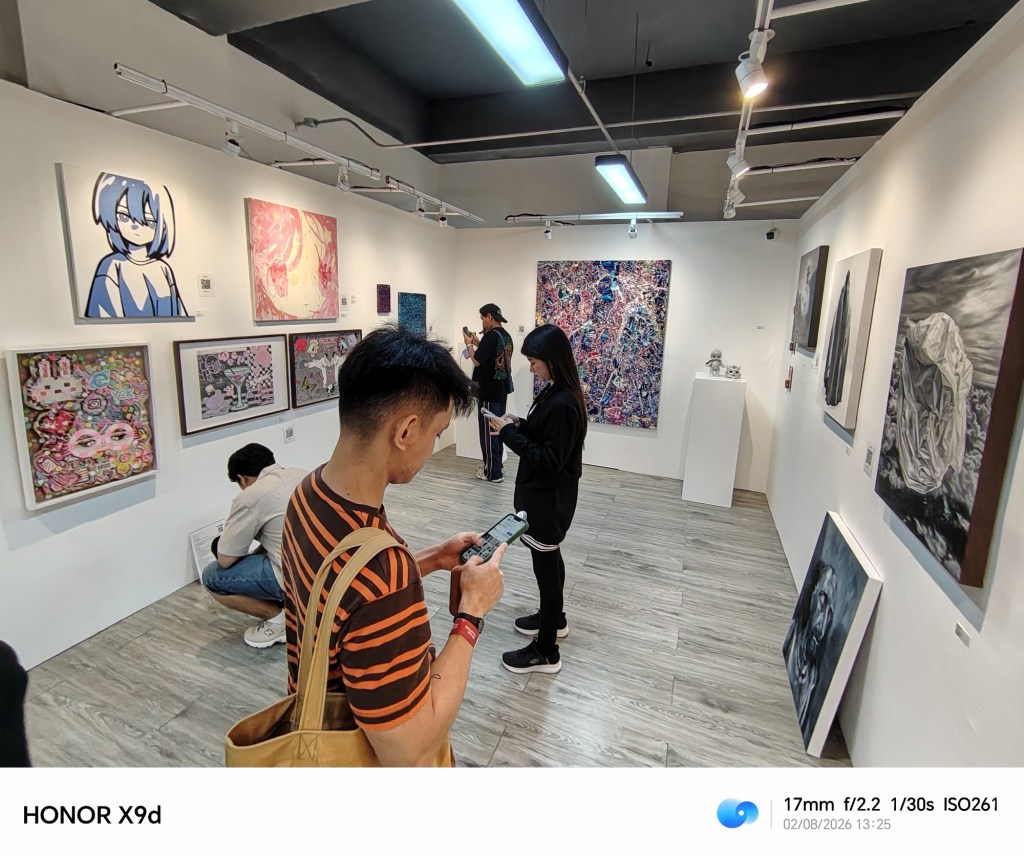
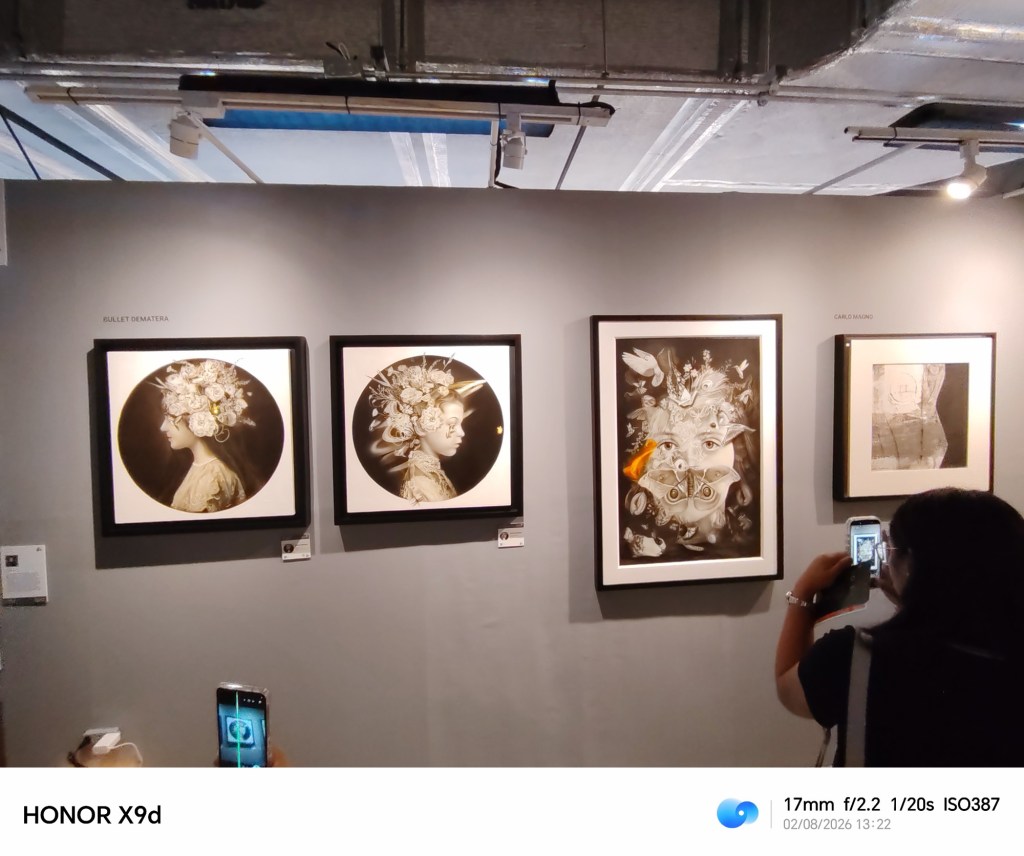

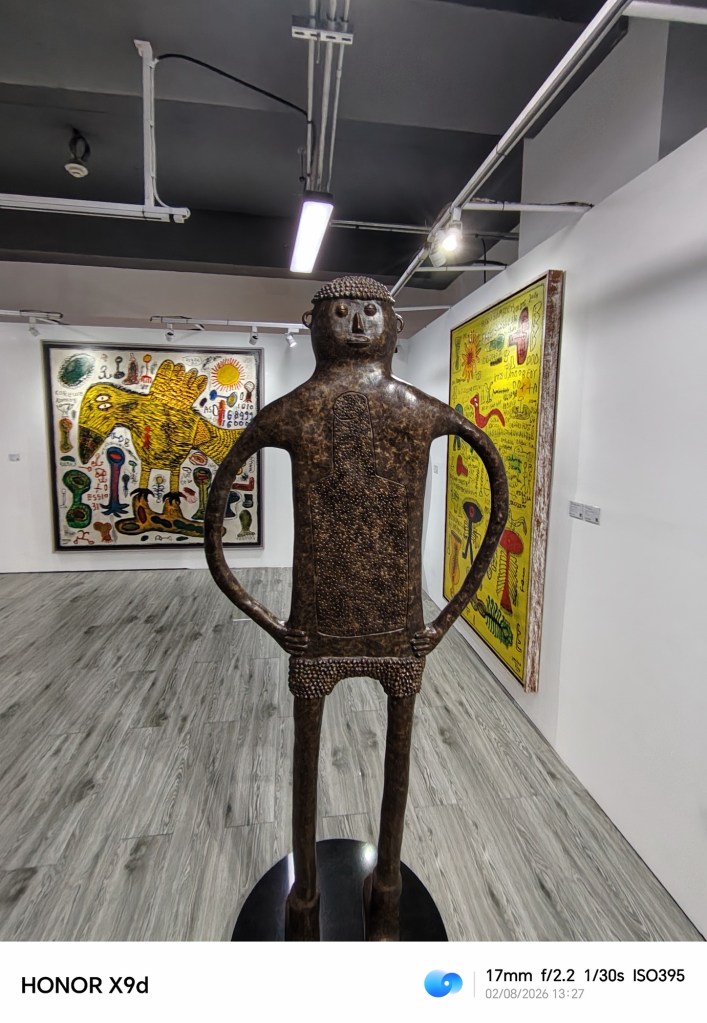
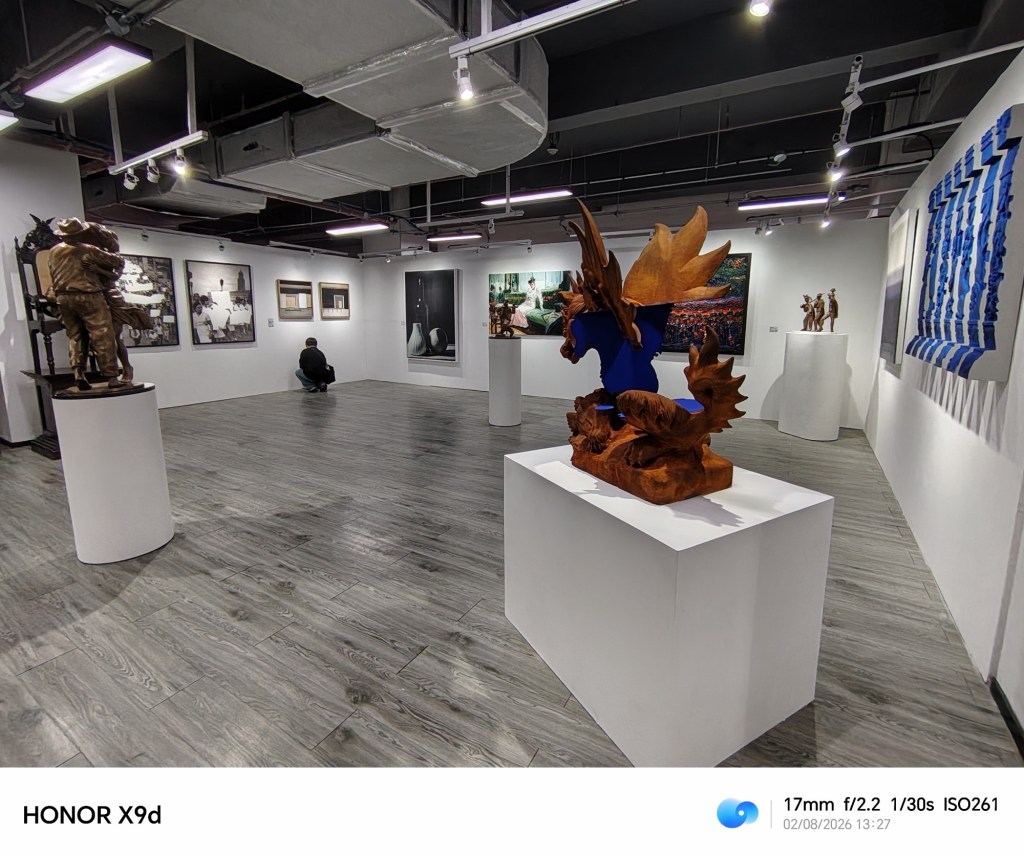
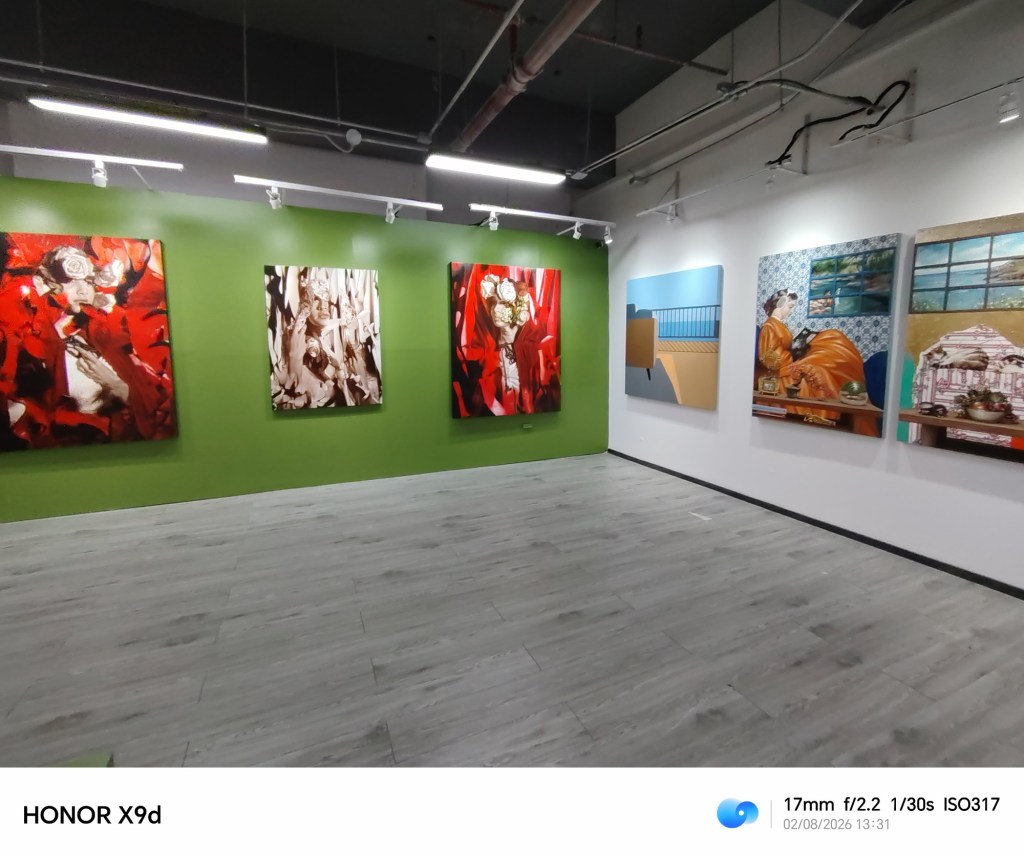
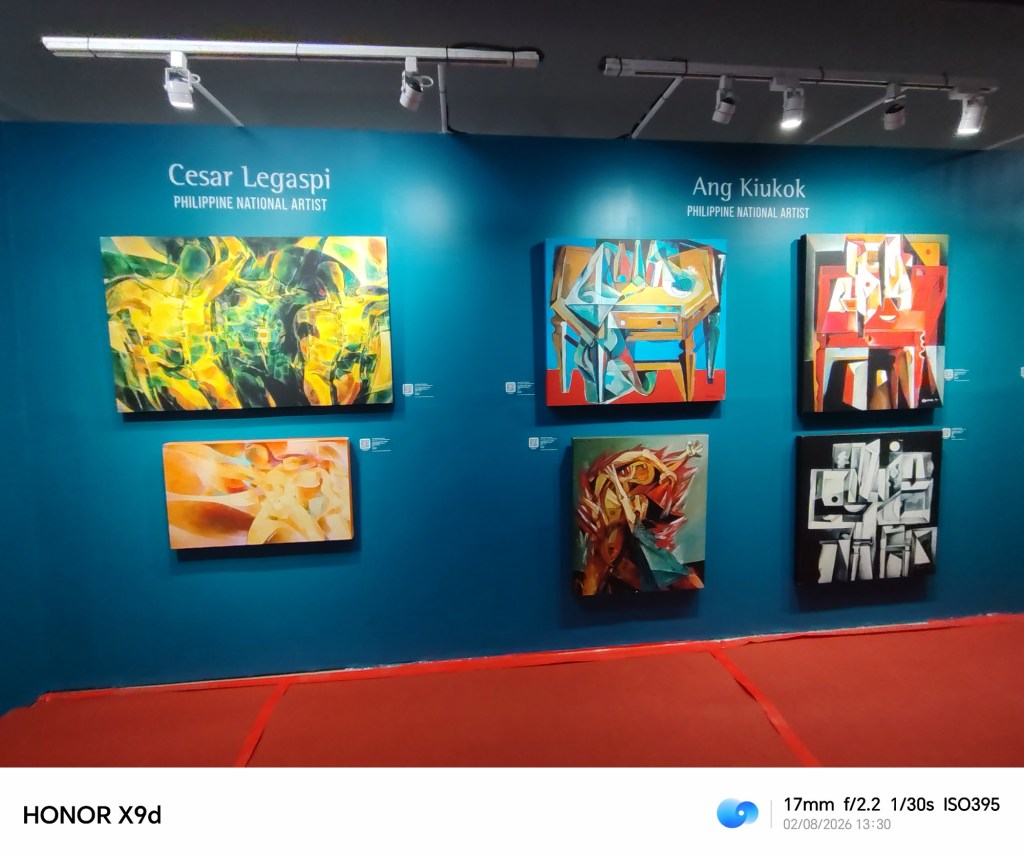
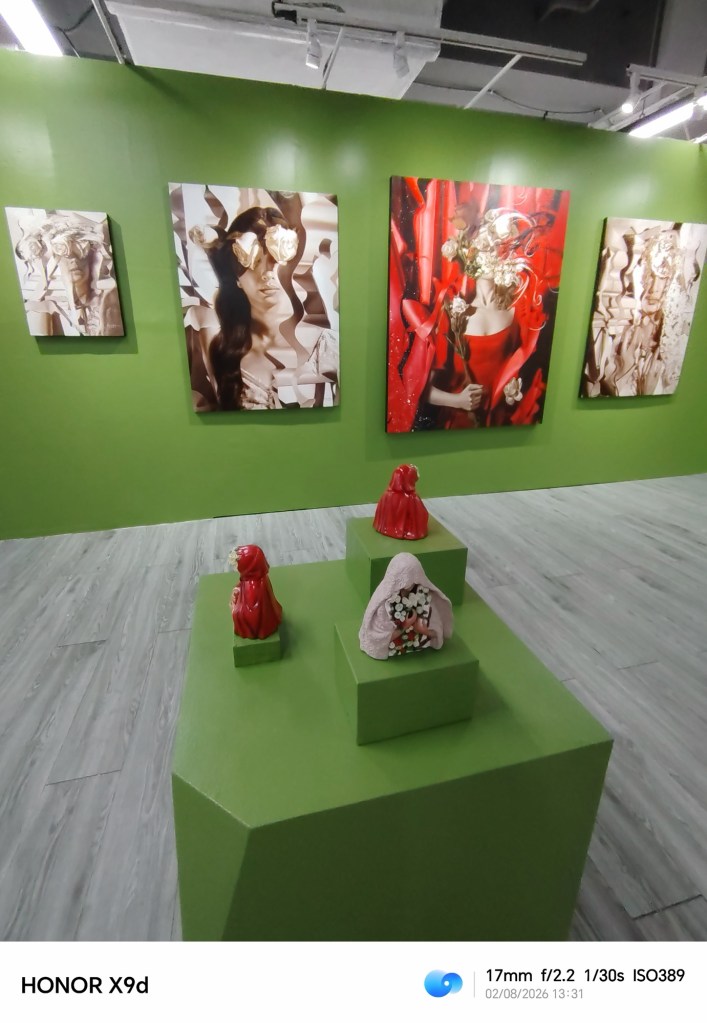
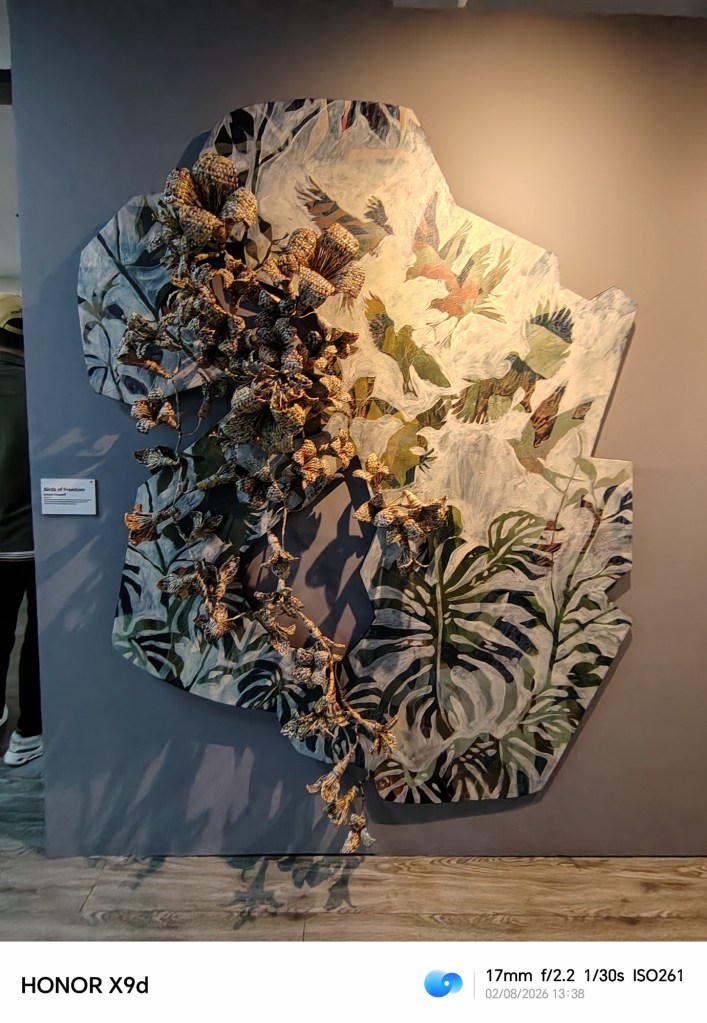
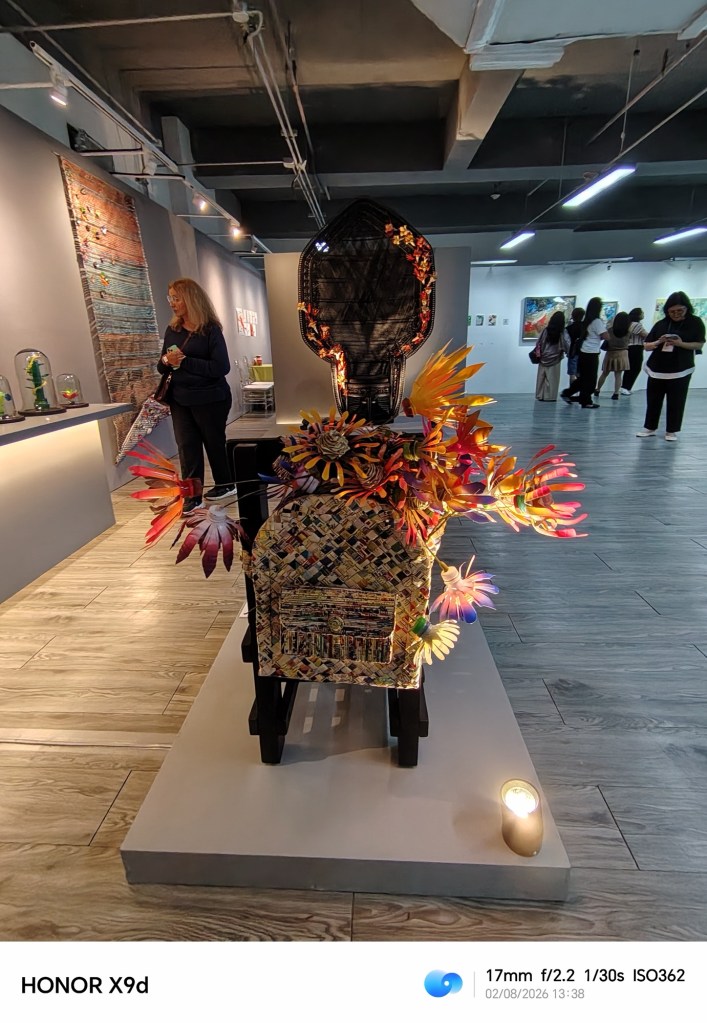
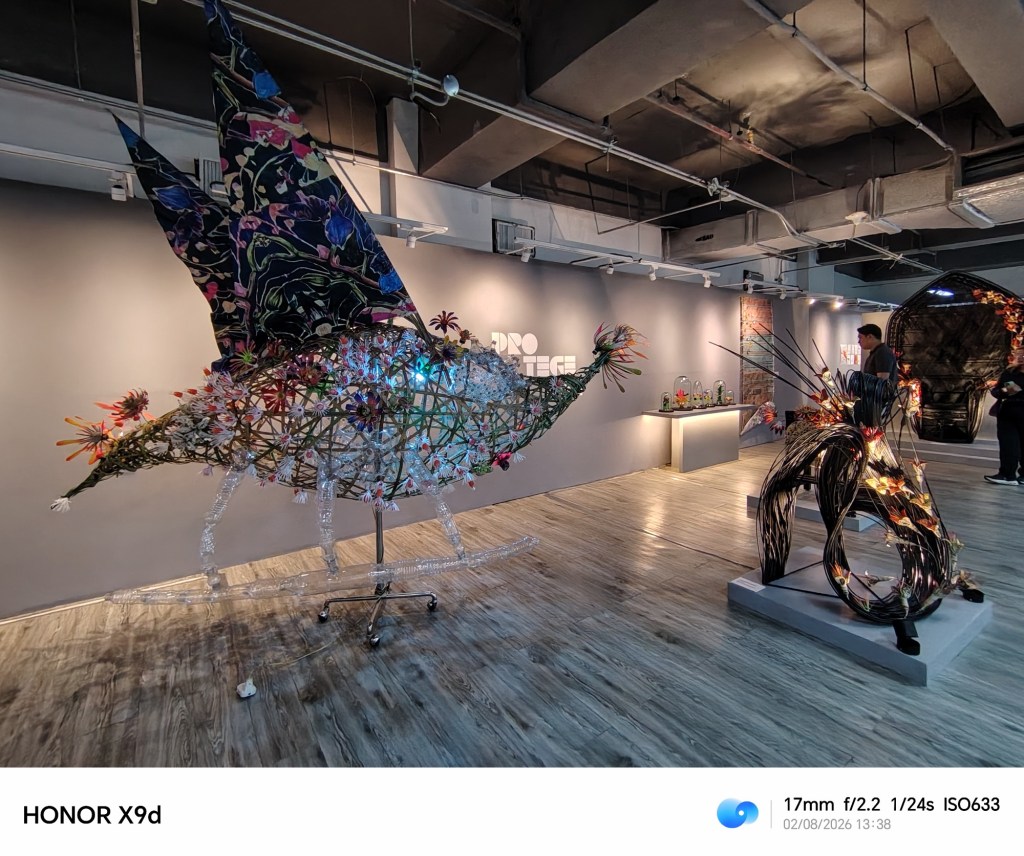
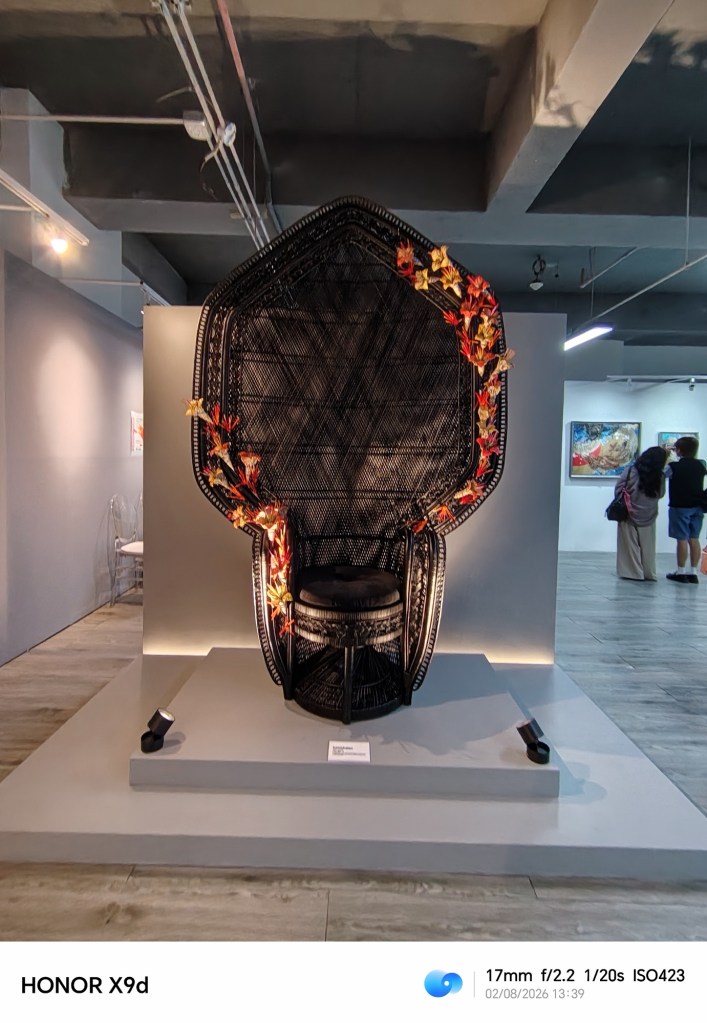
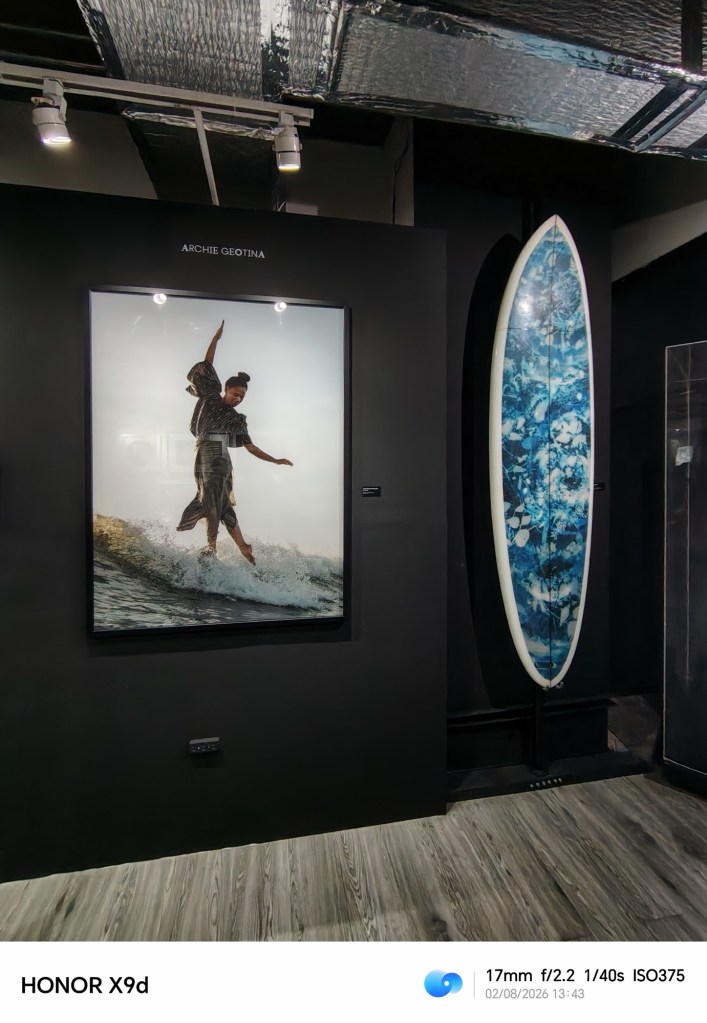
Powered by a Snapdragon 6 Gen 4 processor with 12GB RAM, the phone handled hundreds of photos and videos without slowing down, the digital archive building in real time while the fair unfolded.
By the end of those three days in February, the device held not just images but a personal map of the experience, works discovered, angles revisited, moments worth keeping.
The fair may be over, but the record remains, not just as documentation, but as proof that some experiences are fleeting while the things that preserve them are built to last.
 TheWanderReign
Leave a comment